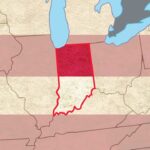

Indiana is experiencing a major economic shift. Rising interest rates and new trade policies are slowing down standard retail and traditional manufacturing. At the same time, the pharmaceutical, agritech, and advanced manufacturing sectors are growing due to billions of dollars in new corporate investments.
Small companies will find the best opportunities by shifting away from consumer retail and providing business-to-business services to these expanding industries.
To make this shift work, businesses must keep shipping costs low and predictable. Unexpected freight delays and high transportation fees quickly ruin profit margins. Utilizing an FTL shipping program for Amazon sellers allows local companies to move full truckloads of inventory directly into regional distribution hubs. This approach cuts out unnecessary transit steps and ensures that goods arrive on time.
Pharma and Agritech: Where the Big Money is Moving

State funding and corporate expansions are creating immediate business-to-business gaps that small enterprises can fill.
The Scale of Current Investments
- Life Sciences Pipeline: The state has deployed a 1 billion dollar commitment to life sciences and agritech to seed long-term job growth.
- Eli Lilly Expansion: A 4.5 billion dollar manufacturing expansion went live in May 2026, driving massive local supply demands.
- Agritech Consolidation: Corteva has established its global crop protection headquarters here, pulling in sub-contractors for research and development support.
B2B Service Gaps for Small Companies
Large pharmaceutical and agricultural firms do not handle day-to-day specialized facilities management or niche logistics internally. They outsource these highly technical tasks to local vendors.
| High-Demand B2B Service | Technical Requirements | Target Clients |
| Cleanroom Maintenance | ISO compliance certification, specialized particulate testing equipment | Pharma manufacturing plants, medical device labs |
| Cold-Chain Logistics | Temperature-controlled transport vans, real-time monitoring software | Bio-tech research centers, clinical trial coordinators |
| Specialized Lab Staffing | Technical recruiting framework, vetting protocols for lab technicians | Corporate research and development facilities |
Industrial Maintenance: Factory Service Opportunities
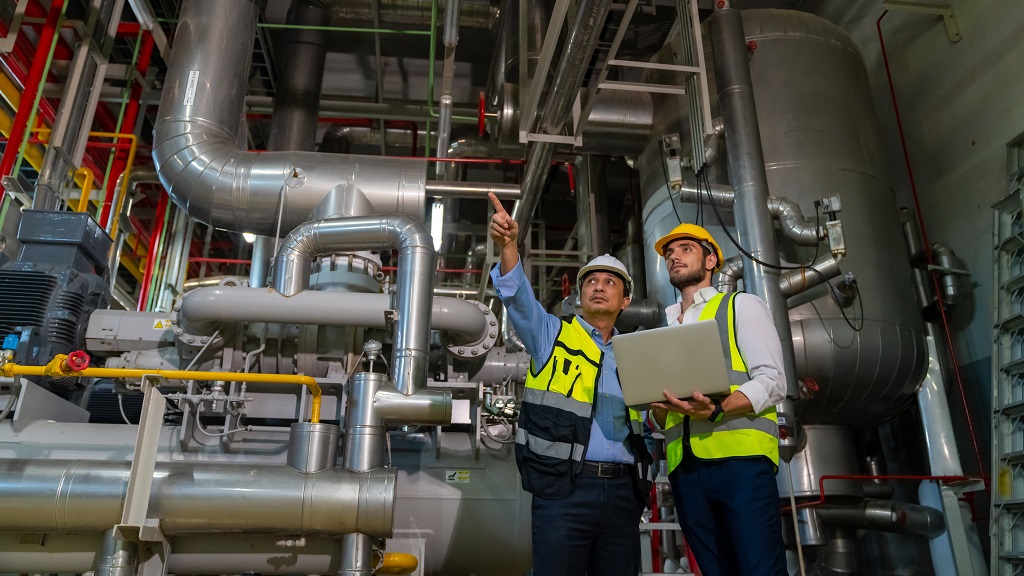
Modern manufacturing lines run on complex machinery that requires ongoing maintenance, regular compliance checks, and immediate repairs.
When a production line stops, the factory loses money every minute, so plant managers rely on fast-reaching local service providers rather than waiting for out-of-state technicians.
High-Demand Technical Services
Small companies can secure steady revenue by focusing on the specific services that keep these automated plants running:
- Automation and Robotics Setup: Configuring, programming, and repairing programmable logic controllers (PLCs) and robotic arms.
- Predictive Diagnostics: Using thermal imaging and vibration testing to find worn components before they break down.
- Facility Infrastructure Upgrades: Installing high-capacity power lines, reinforced flooring, and specialized ventilation systems required for heavy equipment.
Operational Priorities for Field Contractors
- 24/7 Emergency Response: Factories pay a premium to contractors who can arrive quickly to fix unexpected breakdowns and reduce plant downtime.
- Safety and Compliance Audits: Helping plants meet strict workplace safety and environmental rules to prevent costly fines.
- Heavy Machinery Rigging: Moving, aligning, and securing massive industrial assets when a factory floor gets reconfigured.
High-Wage Benchmarks and New State Funding Options
Indiana has changed the way it awards economic development incentives. Instead of simply rewarding the total number of jobs created, the state now prioritizes financial support for companies that pay an average wage of at least 125% of their county baseline.
This means small businesses cannot rely purely on low-wage labor to compete; instead, the path to growth involves improving worker productivity and utilizing state financial programs.
Available State Business Programs
The Indiana Economic Development Corporation (IEDC) runs targeted programs designed to help small firms grow:
- Small Business Strategic Growth Program: This initiative provides direct funding to help small businesses expand their physical workspaces or add new payroll.
- Keep IN Initiative: Run by the Office of Entrepreneurship and Innovation, this program provides small business owners with free valuation tools and transition planning to help manage long-term business succession.
- Community Collaboration Fund: Provides matching grants for local projects aimed at business acceleration and technical upgrades.
Securing State Support
Small businesses applying for state grants should focus on technology investments. Showing that your company uses modern tools to increase production output makes it easier to justify higher wages while qualifying directly for state financial incentives.
Indiana Logistics: Key Trade Corridors
Where you choose to base your business physically affects your overall transportation costs and delivery speeds.
Indiana features three distinct geographic corridors that connect local companies to major national shipping networks.
- The Northwest Corridor: Located right next to the Chicago metro area, this zone works best for heavy industrial fabrication, raw material staging, and bulk freight handling.
- The Central Corridor (Indianapolis and Hamilton County): This region serves as the main hub for consumer goods, pharmaceutical logistics, and high-tech supply chains. It holds the highest density of fulfillment centers and distribution infrastructure in the state.
- The Southern Corridor (Jeffersonville and Evansville): This area uses the Ohio River to give businesses direct maritime and intermodal access, making it a prime spot for companies tied to automotive supply chains and southern shipping routes.
Logistics Strategies for Indiana Companies
With major pharmaceutical companies and advanced manufacturing plants expanding rapidly across the state, the demand for fast, reliable transportation is higher than ever.

Choosing the Right Freight Method
Local companies can gain a major advantage by moving away from unpredictable, multi-stop shipping methods.
For businesses that distribute products online or supply parts to larger corporations, fast transit times prevent expensive inventory delays.
| Shipping Method | Ideal Business Type | Main Cost Benefit | Delivery Speed |
| Full Truckload (FTL) | Companies moving large volumes or time-sensitive inventory | Eliminates stop-off fees and reduces product damage risks | Fastest direct route to regional hubs |
| Less-Than-Truckload (LTL) | Small businesses with smaller, non-urgent shipments | Allows you to pay only for the specific trailer space you use | Slower due to multiple terminal stops |
| Intermodal Shipping | Businesses transporting heavy raw materials over long distances | Lowers fuel surcharges by combining rail and truck transport | Predictable but requires longer lead times |
FAQs
The Bottom Line
Massive investments in corporate pharma, advanced manufacturing, and regional supply chains mean that the companies providing the technical infrastructure, local equipment maintenance, and direct freight logistics will win the market.
To scale up, align your business with these expanding industries, look into state technology grants, and build out your logistics network to handle direct regional distribution.