
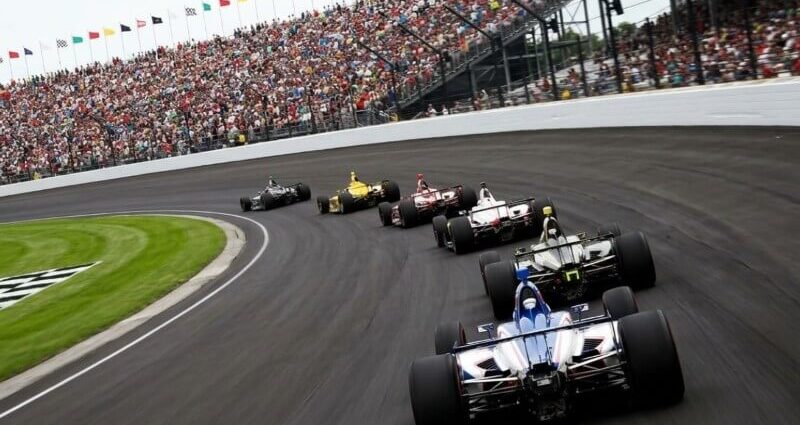
A first Indy 500 can sound like too much before you ever get near the gate. Massive crowds, packed roads, loud cars, heat, long walks, drinking, and race-day noise all seem like a recipe for stress.
Reality can feel very different once you are inside Indianapolis Motor Speedway.
One first-time account described the event as downright pleasant, even with 350,000 people in attendance. That crowd was also described as the largest Indy 500 crowd in a decade, which makes the reaction even more surprising. A race day with that many people should feel impossible on paper.
A big reason is size. Indianapolis Motor Speedway is not a normal stadium. It is a huge venue designed around massive race-day crowds, long walking routes, big seating areas, infield space, and decades of event planning.
Crowds are real, lines are real, and traffic is real, but many first-timers expect constant shoulder-to-shoulder chaos. That is not always how the day feels.
New fans do not need to fear the Indy 500. They need to know how to approach it. A good race day comes down to arriving early, choosing the right area, packing smart, respecting the scale, and accepting that leaving will take time.
What First-Timers Should Know Before Going
Good Indy 500 days start early. Race day is not the time to cut things close. Traffic, parking, walking, security, bathroom stops, seating, and meeting up with other people can all take longer than expected.
Planning your arrival matters because the Speedway area handles a huge number of people at once. First-timers should think about the day as a full event, not just a race that starts at a set time.
Getting there early gives you room to settle in, find your seat, buy food, take photos, and watch the pre-race buildup without rushing.
Comfortable shoes are not optional. Indianapolis Motor Speedway is massive, and first-timers often walk more than they expect.
Parking may be far away. Gates may require a long walk. Seats, concessions, restrooms, and meetup spots may not be close together. A bad shoe choice can turn the day into a grind before the green flag.
A smart race-day bag should cover weather, comfort, and basic needs.
Pack only what current Speedway rules allow, but think through these essentials before leaving:
- Sun protection, including sunscreen, sunglasses, and a hat
- Water and allowed snacks
- Rain gear or a poncho
- Ear protection
- Portable phone charger
- ID, payment card, tickets, and any parking details
- A simple meetup plan in case cell service gets slow
Ear protection is still a good idea, even though modern IndyCars may not feel as painfully loud as some new fans expect.
One first-timer found the sound less brutal than expected, especially compared with NASCAR. Even so, 500 miles of race noise can wear on you, and earplugs are small enough to bring without any downside.
Rules can change, so check the current bag, cooler, and gate policies before race day. Do not rely on what someone brought in last year. A few minutes of checking the official rules can save a long walk back to the car.
Choose the Experience You Actually Want
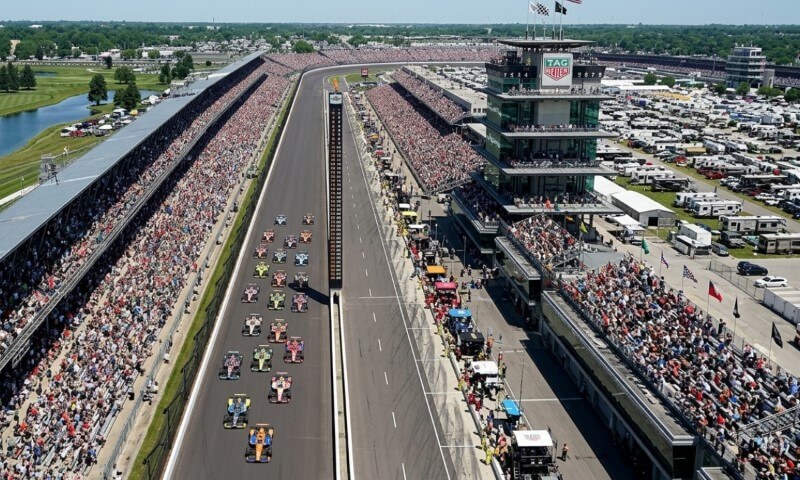
Every Indy 500 ticket does not buy the same kind of day. Location shapes the entire experience.
Grandstands are the best choice for fans who mainly want to watch the race. Seats give you a better view of the cars, the track, pit strategy, and restarts. For a first-timer who cares about the racing itself, grandstands are usually the safest bet.
Infield areas feel more casual and social. People walk around, hang out, talk, eat, drink, and take in the scene. Visibility can vary, so the infield may fit fans who care just as much about atmosphere as lap-by-lap action.
Snake Pit is the party zone. It has its own identity, built around music, crowds, and a much rowdier feel. Fans who want a concert-style race day may love it. Fans expecting a calmer first Indy 500 should know what they are choosing before buying that ticket.
Coke Lot also has a reputation for a more chaotic, party-heavy scene. That reputation should not define the whole event. Much of the Speedway can feel more controlled, more family-friendly, and more relaxed than outsiders might assume.
A first-timer should choose based on the day they want, not the loudest stories they have heard. Different areas fit different goals:
| Experience You Want | Best Area |
|---|---|
| Racing focus | Grandstands |
| Social day with movement | Infield |
| Party-heavy experience | Snake Pit |
| Calmer day | Seated areas away from rowdier zones |
| People-watching | Infield paths, concourses, and gathering areas |
The Race Is Bigger Than the Race
The first Indy 500 is not only about watching cars run 500 miles. Tradition carries a huge part of the day.
Pre-race ceremonies help turn the event into something larger than a sporting contest. Fans arrive early for a reason. Music, military honors, driver introductions, pageantry, and crowd energy all build tension before the engines fire.
“Back Home Again in Indiana” is one of the most important moments of the day. Even fans who do not know every driver can feel the shift in the crowd when the song begins. For many people, that moment is part of why the Indy 500 feels different than a normal race.
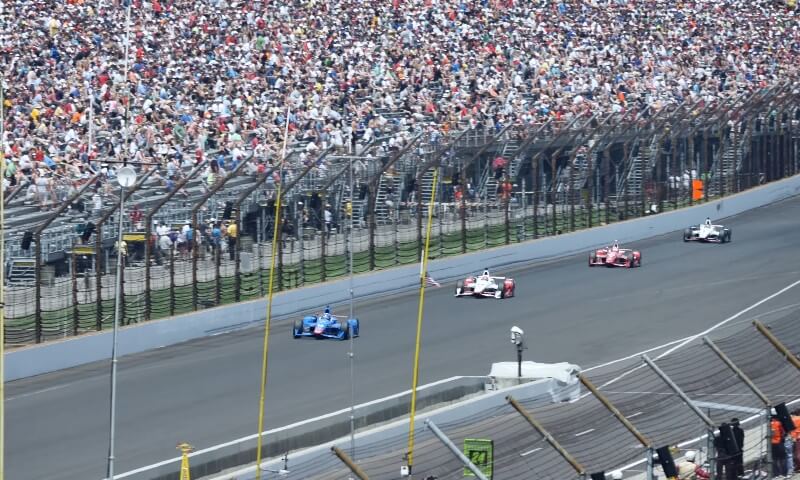
Crowd energy also matters. More than 300,000 people gathering for one event creates a scale that is hard to describe until you see it.
Yet the Speedway can absorb that crowd better than many first-timers expect. Instead of feeling trapped all day, many fans feel like they are part of a giant shared ritual.
Winner’s milk also gives the race one of its most recognizable endings. Many sports have trophies, confetti, or champagne. Indy has milk in Victory Lane. Strange as it may sound to newcomers, that tradition is part of the race’s identity.
Even someone who is not a hardcore racing fan can enjoy the day because so much happens around the race itself. Cars matter, but so do the walk in, the crowd, the ceremonies, the anthem, the flyover, the start, the final laps, and the post-race release.
One first-timer went in expecting exhausting chaos and came away calling it one of the best overall race weekends they had experienced. That reaction says a lot. Indy can be loud, crowded, hot, and long, but it can also be much more manageable than its reputation suggests.
A Wrap Up
Indy 500 veterans know something first-timers do not always believe: huge does not automatically mean impossible.
Indianapolis Motor Speedway can hold an almost unbelievable number of people without making every moment feel packed. Crowds are part of the event, but they do not have to control the day.
Party zones are optional. Traditions are not. Comfort matters. Planning matters. Patience matters. Early arrival, good shoes, weather prep, ear protection, and a clear exit plan can turn a stressful idea into a memorable race day.
A first Indy 500 is less about surviving 300,000 people and more about joining one of America’s biggest sports rituals. Once you know how the day works, the event feels less intimidating and a lot more exciting.