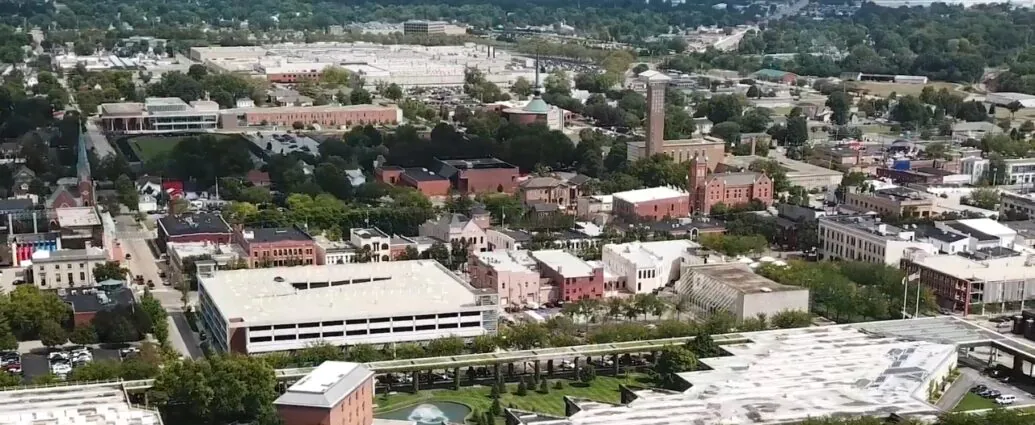
Columbus, Indiana, sits about 45 to 50 miles south of Indianapolis, but its reputation reaches far past its size. With just over 50,000 residents, it has become one of America’s best-known small cities for modern architecture, civic design, and public art.
Nicknamed the “Athens of the Prairie,” Columbus carries a rare contrast. At street level, it feels like a manageable Midwestern town with local restaurants, quiet sidewalks, historic homes, and an easy downtown pace.
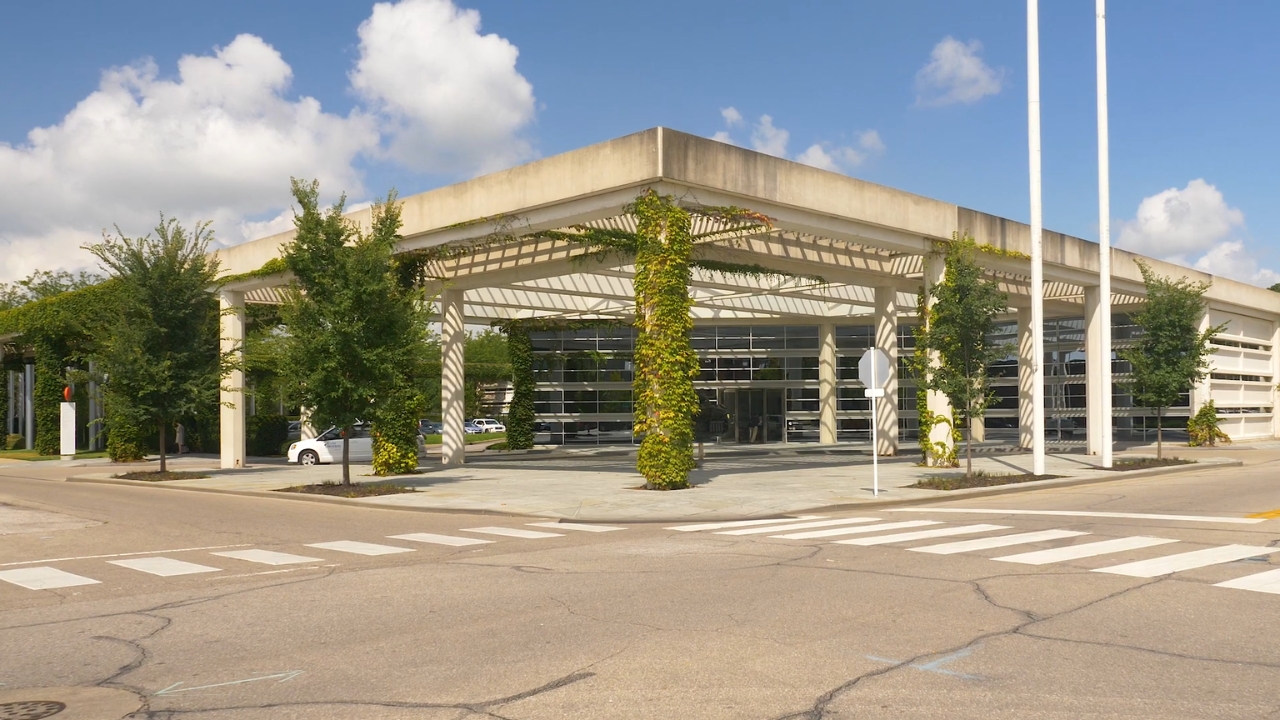
At the same time, its churches, libraries, schools, corporate buildings, parks, and public spaces carry the names of major modern architects.
Critics, design lovers, and travelers come because Columbus places world-class design inside everyday life. Major buildings are not hidden behind gates or grouped into one museum district.
They sit along streets people use daily, creating a compact city where small-town character and international architecture meet in a clear, accessible way.
How Columbus Became an Architecture Destination
Columbus did not become an architecture destination by accident. Its reputation grew through civic ambition, corporate support, and a local belief that public buildings should be useful, beautiful, and serious.
Cummins, the engine company headquartered in Columbus since its founding in 1919, played a central role in that shift. J. Irwin Miller, former Cummins president and chairman, helped turn architecture into a public priority.
Instead of treating design as decoration, Miller supported the hiring of major architects for schools, churches, offices, libraries, and community institutions.
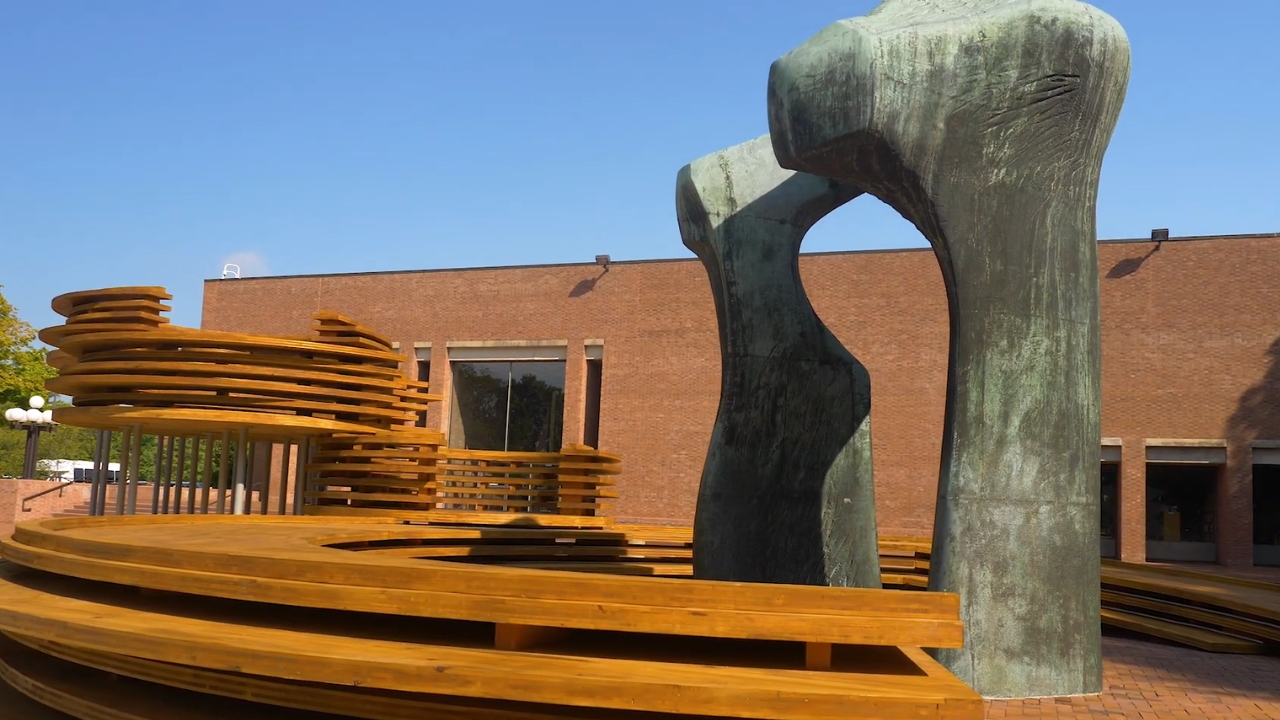
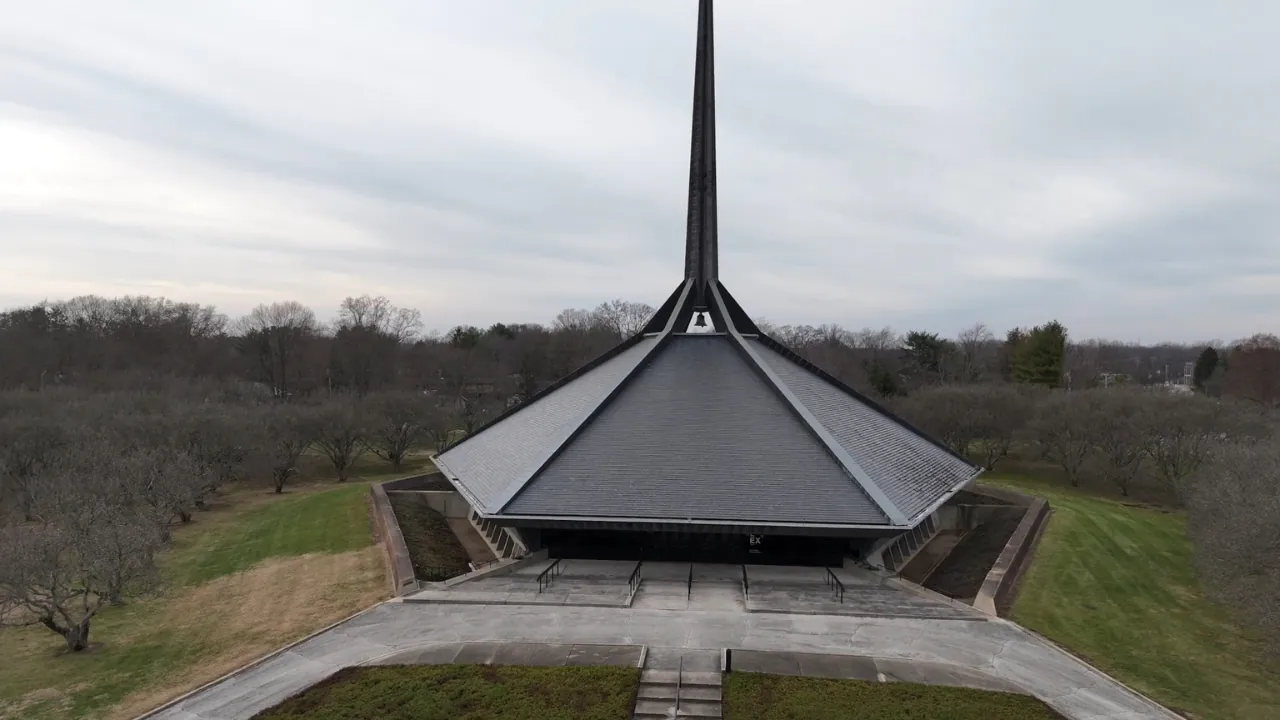
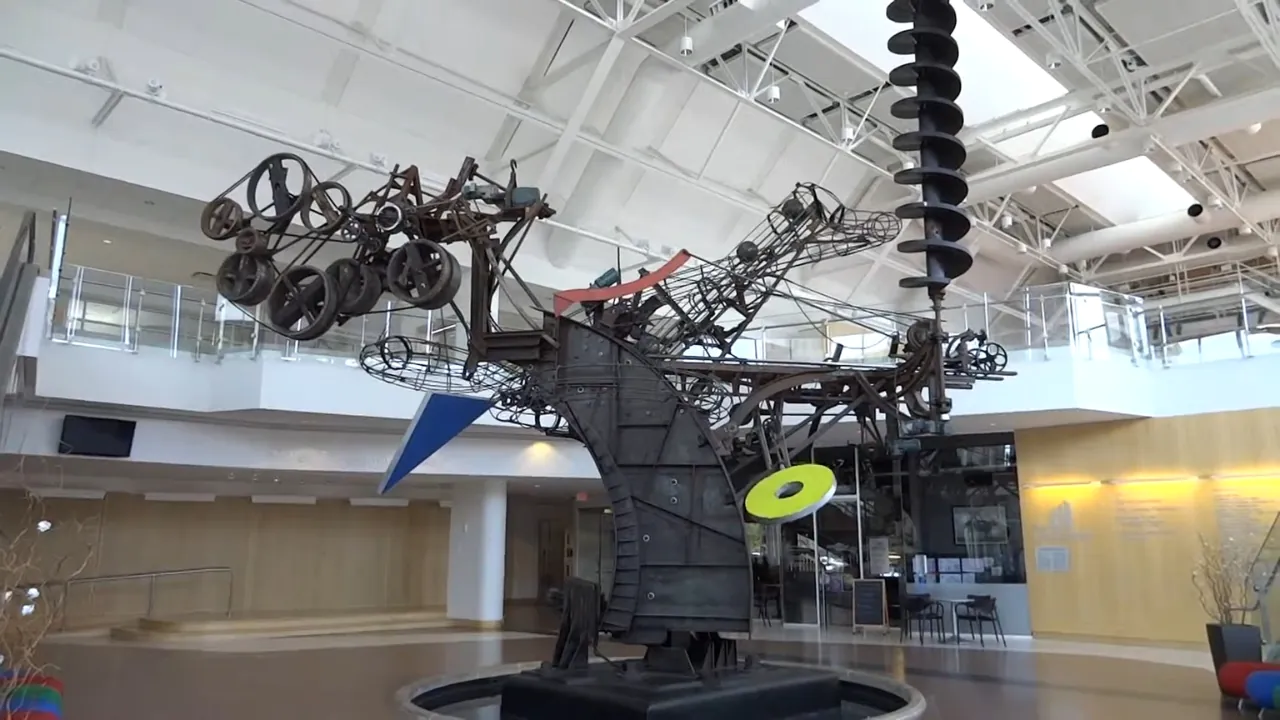
Their work gave the city a design concentration usually linked with much larger places. Several facts explain why Columbus receives national attention: Architecture in Columbus became more than a visitor draw. It became part of the city’s identity. Schools, libraries, churches, offices, and parks were treated as places worthy of serious design, giving residents daily access to architecture that many cities would place behind museum walls. Many of Columbus’ most important buildings are close enough to connect in one visit. Some are active churches or civic spaces, while others are preserved as major works of modern design. Its clean geometry, tower, and modernist restraint helped signal a new direction for civic and religious architecture in the city. Instead of copying older church styles, First Christian Church showed that a Midwestern congregation could confidently embrace modern design. North Christian Church, now known as The LEX, was designed by Eero Saarinen. Its hexagonal plan and tall, needle-like spire make it one of the most recognizable buildings in Columbus. Every part of the structure feels carefully controlled. For many visitors, it explains why Columbus became a destination for architecture critics rather than only casual travelers. Miller House and Garden was completed in 1957 and is one of the most important residential designs in Columbus. Eero Saarinen designed the house, Alexander Girard handled the interiors, and Dan Kiley designed the garden. Its flat roof, floor-to-ceiling glass, clean lines, and open layout connect the interior with the surrounding grounds. Among its most famous details is the sunken conversation pit, fitted with 15-foot sofas and designed as a social center of the home. Miller House shows how modernism shaped private life as well as public architecture in Columbus. It also links the city’s design identity directly to J. Irwin Miller and his family. Cleo Rogers Memorial Library, designed by I.M. Pei, anchors one of Columbus’ most important civic spaces. Its location along 5th Street places it directly within the city’s best-known architecture corridor. Henry Moore’s Large Arch sits nearby, creating a visual connection between the building, the plaza, and the public art. Library visitors do not need a formal tour to sense the design value here. Daily library use takes place inside and around a major architectural work. Commons adds a lively public gathering space to the Columbus design story. Inside, Jean Tinguely’s Chaos I brings movement, sound, and mechanical energy into the public art experience. Chaos I is not a quiet sculpture in a distant gallery. It is kinetic, playful, and placed where families, visitors, and residents can encounter it during ordinary downtown activity. Its presence helps show that Columbus’ design identity includes art as well as architecture. Visiting Columbus is easier than many architectural destinations because the city is compact, walkable, and simple to navigate. Major sites sit close to restaurants, shops, hotels, public art, and historic homes, so a visitor can build a full day around downtown without long drives between stops. A popular way to begin is the two-hour Architectural Highlights Tour, which leaves from the Columbus Area Visitors Center. It includes more than 40 stops and offers two in-depth interior visits, giving travelers a structured way to see the city’s major works while hearing the stories behind them. 5th Street is central to the experience. Known as the Avenue of the Architects, it runs for eight blocks and works well as a self-guided route past roughly a dozen major buildings and public art sites. Public art adds another layer to the route. Henry Moore’s Large Arch, Jean Tinguely’s Chaos I, and Dale Chihuly’s three Columbus installations help turn downtown into an open-air design setting. Chihuly’s Yellow Neon Chandelier is especially striking, made with roughly 900 handblown glass elements. Small-town attractions keep the city grounded. Zaharakos, a century-old ice cream parlor on Washington Street, gives visitors a classic local stop between architectural sites. Inn at Irwin Gardens adds historic elegance through a mansion setting and formal gardens. Hotel Indigo Columbus Architectural Center reflects the city’s design identity in a lodging option built around the same visual culture. Columbus matters because its best architecture is part of ordinary civic life. People not only observe these buildings. They worship, study, work, gather, read, eat, and relax in and around them. Most cities with major architectural reputations are large metros. Columbus is different because its scale is small, yet its concentration of major design is unusually high. Visitors can move between works by internationally known architects in minutes, often on foot, while still feeling the pace of a small Indiana city. An open-air museum is often a fitting description, but Columbus is not frozen in place. Its architecture is public, active, and practical. Design is not treated as something separate from daily routines. It shapes them. Columbus also shows how design can build civic identity. Careful planning, patronage, and public investment turned a small city into a nationally recognized destination. Instead of using architecture only to attract attention, Columbus used it to improve public life. Columbus proves great architecture is not limited to big cities. A small Indiana town can hold buildings and public spaces that attract critics, travelers, students, and design fans across the country. Critics fly in because Columbus offers an uncommon mix of international design, civic ambition, walkable streets, public art, and small-town character. Few places make major modern architecture feel so close, public, and usable. Columbus is a small Midwestern city with an outsized architectural history, where public buildings and public art turn everyday streets into a design destination.
Major Sites to See
First Christian Church
First Christian Church, designed by Eliel Saarinen, is one of the essential starting points in Columbus. Often described as foundational to the city’s architectural program, it is Columbus’ oldest National Historic Landmark.North Christian Church / The LEX
Miller House and Garden
Bartholomew County Public Library / Cleo Rogers Memorial Library
The Commons and Chaos I
Visitor Experience
Why Columbus Matters
Summary