

Indiana welcomed about 83.3 million visitors in 2024, setting a new high for statewide travel. Visitor volume rose nearly 2% compared with 2023, while total spending reached a record $16.9 billion.
Average spending came to about $203 per visitor. Tourism spending also surpassed pre-pandemic levels after increasing by 4.7% in a single year.
Such results make the Indiana tourism record especially notable. Indiana is not commonly ranked alongside major coastal destinations or famous national vacation hubs, yet millions of people continue choosing it for weekend trips, sporting events, conventions, family outings and outdoor recreation.
What is bringing so many travelers to Indiana?
Big Events and Sports
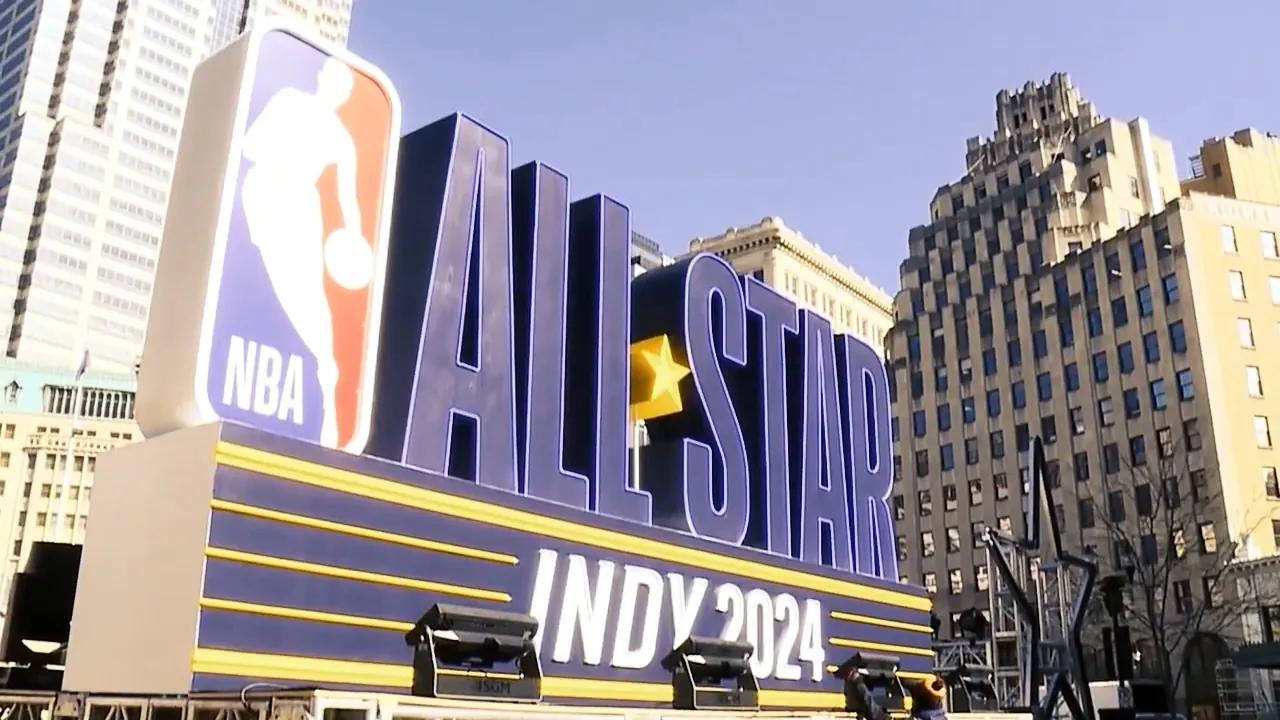
Indianapolis plays a central role in statewide tourism growth. Major sporting events, conventions, concerts and festivals bring large crowds into the city throughout the year.
Basketball has a particularly strong connection to Indiana. College tournaments, professional games and youth competitions attract players, families and fans who often spend several days in the area.
Motorsports create another major source of visitor activity. Racing events draw large audiences and generate demand for lodging, food, transportation, entertainment and retail.
Conventions also contribute heavily. Attendees may spend money on hotels, restaurants, rides, shopping and activities near event venues, creating benefits that reach many local businesses.
Indiana tourism is also moving away from a sightseeing-only model. State marketers increasingly promote the idea of a “playcation,” where visitors actively take part in recreation, sports, festivals and hands-on experiences.
Such trips may include cycling, hiking, golfing, attending a live event, visiting an interactive museum or spending a day at a theme park. Active travel gives visitors more reasons to stay longer and spend money across several businesses.
Outdoor and Family Attractions
Indiana Dunes National Park has become Indiana’s leading tourist destination. Its location near Chicago and within reach of Detroit gives it access to a large regional population.
Beaches, dunes, hiking routes and views of Lake Michigan offer an easy outdoor escape for visitors who may not want to travel far. Day trips are common, but nearby lodging and dining options also support overnight stays.
Interest in parks and natural recreation has grown since the COVID-19 pandemic. Families, couples and solo travelers continue seeking open-air activities that fit shorter trips and flexible schedules.
State parks, trails, campgrounds and lakes add more options across Indiana. Many of these destinations are affordable and accessible by car, making them practical for repeat travel.
Family attractions also continue investing in new reasons to visit. Holiday World & Splashin’ Safari announced the largest single-attraction investment in its history, showing confidence in future attendance.
Museums, zoos, amusement parks and interactive attractions help Indiana reach families with children of different ages. Repeat visitation becomes more likely when parks introduce new rides, exhibits or seasonal programs.
Outdoor destinations and family attractions also complement each other. A family may spend one day at a park, another at a museum and another at a local festival, creating a multi-day trip without long travel distances between stops.
Business and Convention Travel

Business travel increased 10% in 2024 as group meetings and individual corporate trips continued recovering. International travel increased 4.7% during the same period.
Indianapolis benefits greatly because of its central location and convention infrastructure. Large meeting spaces, hotel capacity and transportation access allow the city to host national organizations, trade groups and corporate events.
Business travelers often spend more per day than leisure visitors. Hotel stays, restaurant meals, meeting services, local transportation and after-hours entertainment can all contribute to the local economy.
Corporate travel also supports tourism during weekdays and slower seasons. Leisure demand often peaks on weekends and during school breaks, while conventions and meetings can fill rooms at other times.
International growth adds another valuable source of spending. Overseas visitors often stay longer, use more services, and visit several destinations during one trip.
Continued business and convention growth could help Indiana reduce seasonal swings and create steadier demand for hospitality workers and local companies.
Small-Town and Regional Tourism
Tourism growth reaches well outside Indianapolis. French Lick, the Pete Dye Golf Trail and many smaller communities attract travelers seeking resorts, golf, festivals, outdoor recreation and local activities.
View this post on Instagram
French Lick combines historic lodging, entertainment, golf and wellness experiences. Such variety allows visitors to plan a full weekend without relying on a single attraction.
Pete Dye Golf Trail connects courses across the state and encourages golfers to visit multiple regions. Golf trips can produce strong spending because travelers often pay for lodging, dining, transportation and course fees.
Local communities are also creating clearer identities for tourism promotion. Visit Posey County introduced its “Indiana’s Cozy Corner” campaign to present the county as a welcoming destination with local attractions and hands-on experiences.
Smaller towns often compete with neighboring states that have larger advertising budgets. Clear regional branding can help these communities gain attention without attempting to market every possible attraction at once.
Festivals, farmers markets, historic districts, local restaurants and outdoor sites can work together as a complete visitor experience. Travelers may be more likely to stay overnight when several activities are grouped within a small area.
Indiana’s compact geography supports this type of travel. Visitors can combine city entertainment, golf, parks, resorts and small-town stops during one trip without spending most of their time on the road.
Economic Impact
Tourism supported more than 210,000 full-time and part-time jobs across Indiana. Employment included positions in hotels, restaurants, retail, entertainment, recreation, and transportation.
Visitor activity generated $3.2 billion in tax revenue.
Every $1 spent by visitors kept about 65 cents circulating within Indiana’s economy. Local spending helps businesses pay employees, purchase supplies and invest in future operations. Tourism also supports businesses that may not immediately appear connected to travel. Grocery stores, gas stations, repair shops, event vendors and independent retailers can all benefit when visitor numbers rise. Main Street businesses may feel a particularly strong effect. Even modest increases in weekend traffic can create meaningful revenue for restaurants, boutiques, coffee shops and local attractions. Public revenue generated by tourism can support roads, services and community projects. Strong visitor spending also reduces some of the tax burden that would otherwise fall more heavily on Indiana residents. More Than a Vacation: How Tourism Boosts Indiana’s Economic Growth https://t.co/1TiJAkHzmP — 93 WIBC Indianapolis (@93wibc) July 5, 2026 Indiana’s biggest tourism year did not come down to one famous site or one major event. Growth came through sports, conventions, business trips, outdoor recreation, family attractions, golf, resorts and local experiences. Accessibility may be one of Indiana’s strongest advantages. Many visitors can reach major destinations by car, plan affordable short stays and combine several activities within one trip. Indiana tourism record figures show how a broad mix of experiences can attract large numbers of travelers without relying on a single tourism identity.
Summary