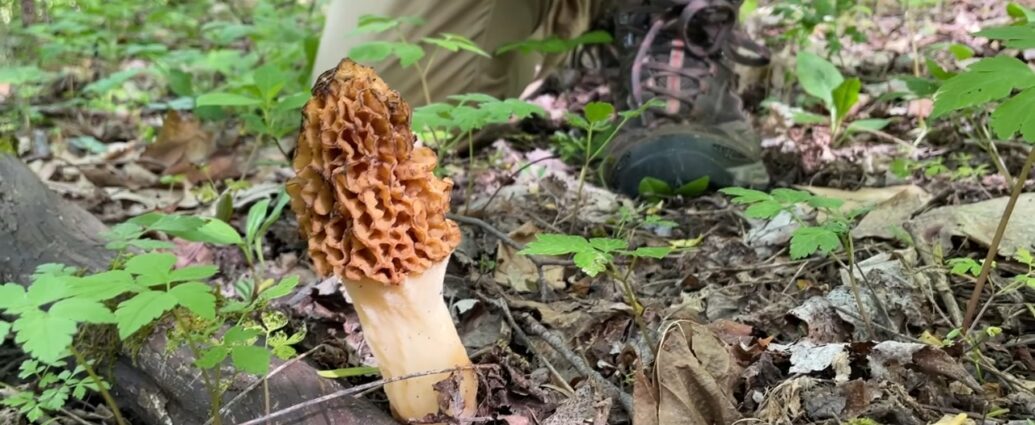
Morel season in Indiana is not just a search for wild mushrooms. It is a spring ritual built around timing, patience, local knowledge, and a little mystery.
Each year, Hoosiers walk into damp woods with mesh bags, pocket knives, and stories passed around for generations.
Some talk about weather signs. Others swear by certain trees, slopes, or flowers. A few will share cooking tips all day, then go quiet as soon as someone asks where they found their best patch.
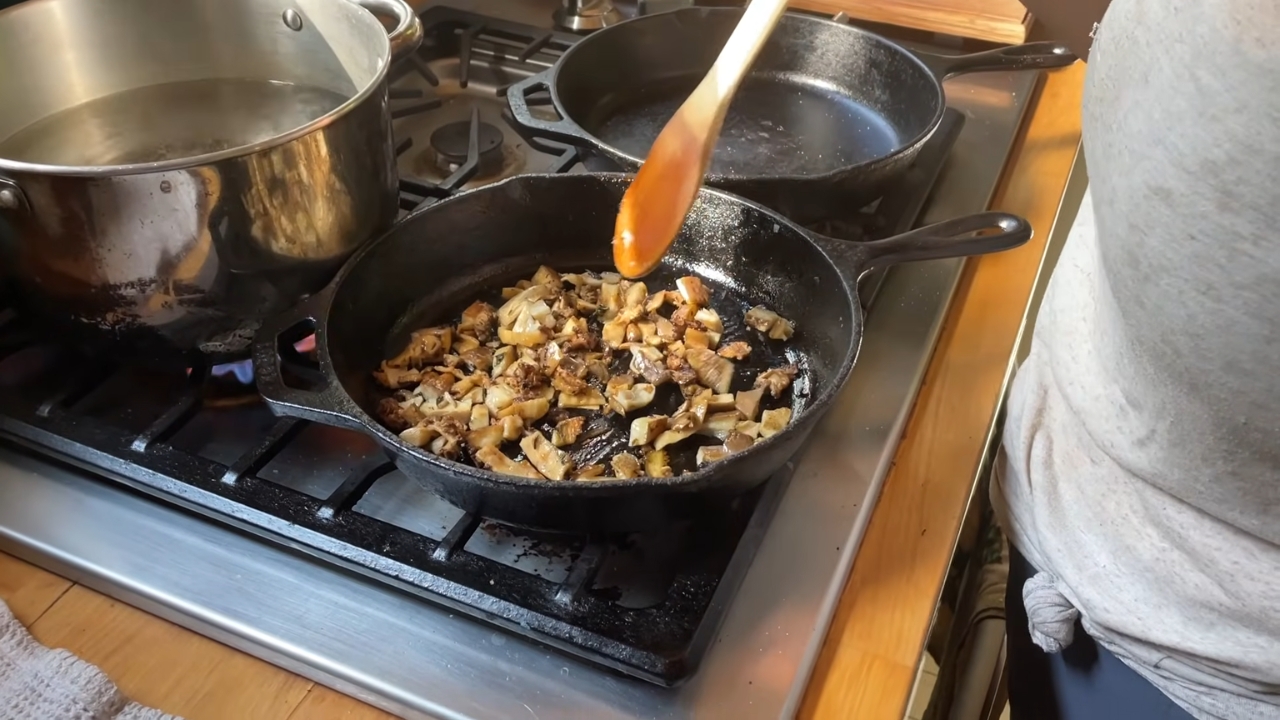
Morel season mixes woodsy wisdom, myth, fact, fiction, and tall tales. Finding a “mess of mushrooms” can mean dinner in a cast-iron skillet, a batch of fried morels, or a morel reduction sauce good enough to make the whole hunt feel worth it.
Success comes to people who slow down, look closely, and learn how the Indiana woods change week by week.
When to Hunt in Indiana
Morel season in Indiana usually starts around mid-to-late April and can continue into May. Timing changes each year because morels respond to weather, soil warmth, moisture, and spring growth.
One Indiana season example noted first morels on April 15, 2021, with finds continuing into mid-May. That kind of window is common, but hunters still need to watch daily conditions rather than rely only on the calendar.
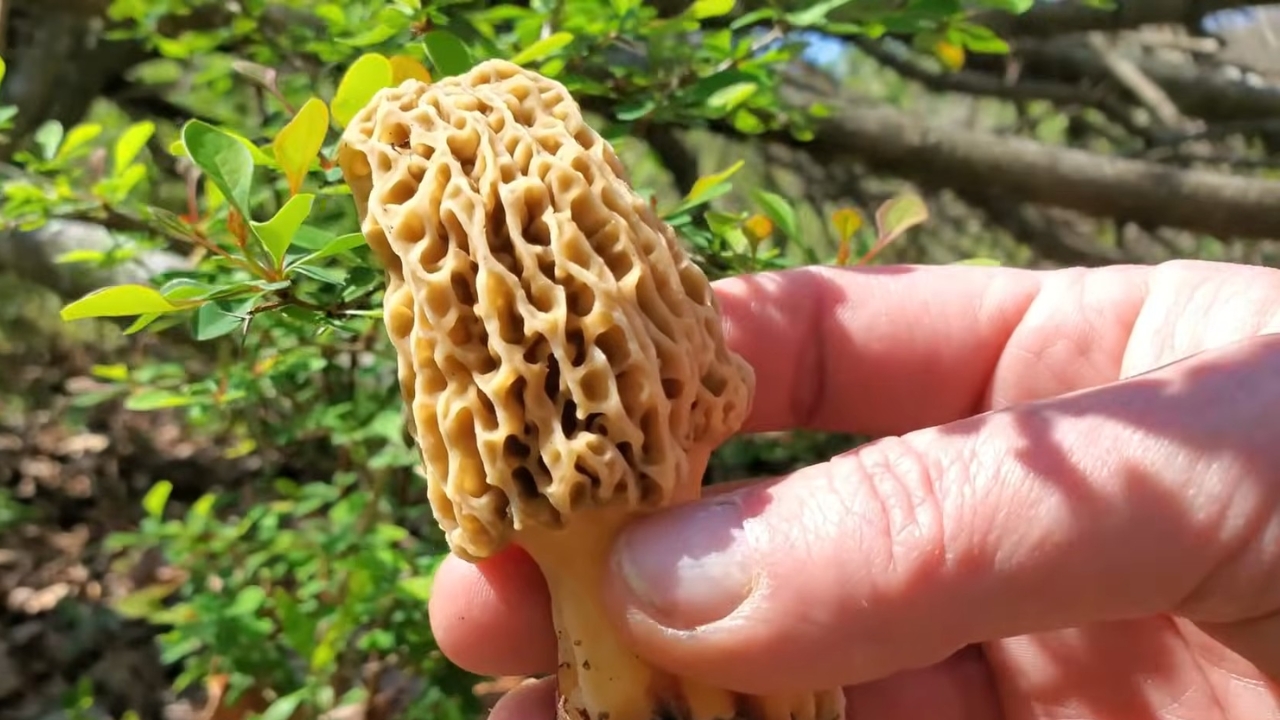
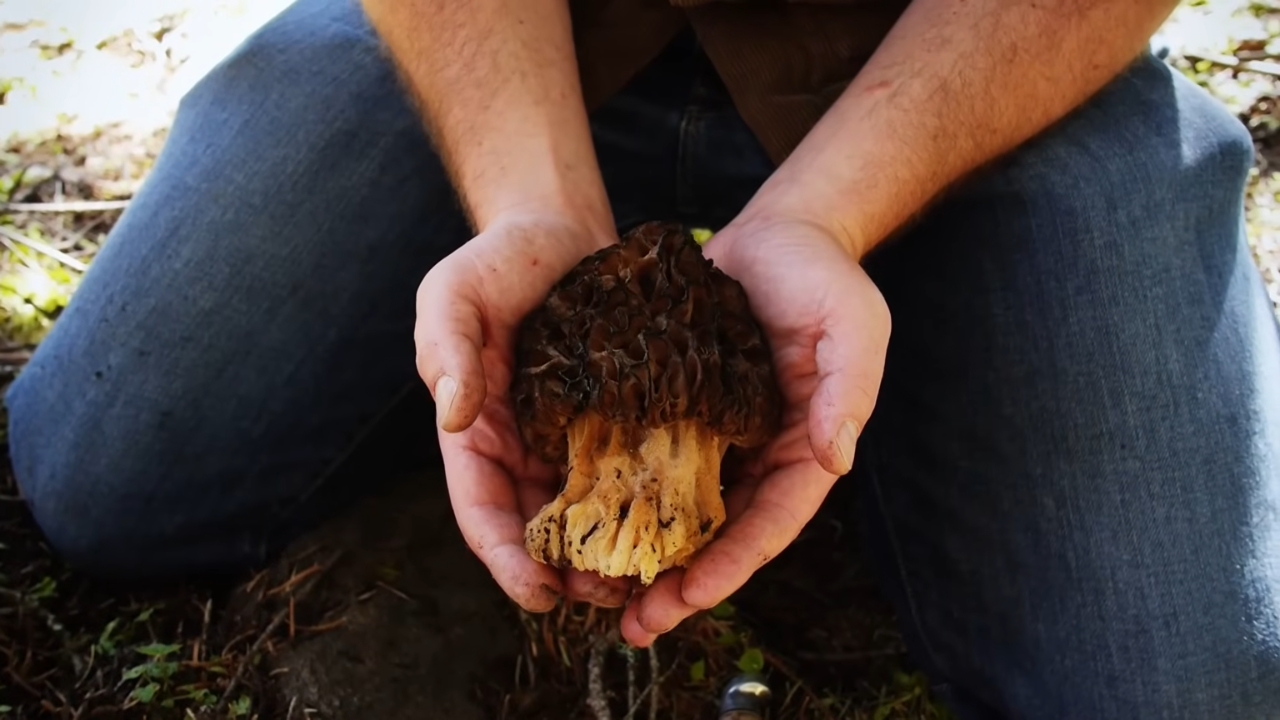
Natural signs can matter just as much as dates. Morel hunters often start looking when early spring flowers appear, trees begin budding, dandelions bloom or start going to seed, mayapples push up, and wild turkeys begin gobbling. Yellow morels often peak in Indiana around the second and third weeks of May. Earlier finds can happen, especially in warmer spots, but many hunters wait for that mid-spring stretch when soil moisture, sunlight, and tree activity line up. A slow spring can delay the hunt, while a warm, wet stretch can make conditions change fast. Checking the same area only once may not be enough, because a quiet patch can produce mushrooms a few days later. Good morel hunting starts with the right kind of woods. Search wooded areas, creek beds, slopes, and patches of leaf litter where the ground holds moisture without staying soaked. Dead and dying trees are often key. Morels are often found near elm, ash, apple, sycamore, and poplar trees. Dying trees that have not fully lost their bark can be especially worth checking, particularly elm, ash, apple, and some softwoods. Stream beds can also be productive. Around Bloomington, hunters have searched creek bottoms and found morels near sycamore trees and dead elms. Spots with moisture, loose leaf cover, and older trees can create the kind of spring setting morels favor. Early in the season, sunlight matters. Warmer slopes and sunny sides of trees often wake up sooner than colder shaded areas. West-facing slopes with more sunlight can be useful in Indiana, and the southern edges of trees can warm up ahead of other nearby ground. Small protected pockets can also hold mushrooms. Check under logs, near tree trunks, and in damp little areas where morels can stay sheltered. Move slowly, because morels can hide under leaves and look like part of the forest floor until your eyes adjust. Morel hunters in Indiana may be friendly, generous, and full of advice, but exact locations are another story. Favorite spots are often guarded like family secrets. Secrecy is part of the culture. A Hoosier may help a stranger, share a family recipe, or talk for an hour about frying morels, but asking for a precise patch can end the conversation fast. One Bloomington-area forager captured that attitude perfectly. When asked where he hunted, he answered, “It’s in my will.” That line explains the culture better than any map could. Morel spots can be passed down through families. Parents teach children which trees to check, which slopes warm first, and which paths lead to old reliable patches. Over time, those places become tied to memory as much as food. Local advice usually stays broad because exact spots are earned over many seasons. Locals may share general tips. They may tell you to watch the rain, check dead elms, or look near creek beds. Exact locations, however, are usually earned through years of walking, watching, and learning. Morel hunting may feel casual, but rules still matter. Permission is required before hunting on private land. Entering without permission can lead to trespassing trouble, even when the goal is only a few mushrooms. Public land rules should also be checked before collecting. Indiana State Parks are generally open for morel hunting, but rules can vary at state forests and fish and wildlife areas. Calling or checking with the property office before hunting is the safest move. Good etiquette matters in the woods. Do not trespass, litter, damage plants, or tear up habitat while searching. Step carefully near logs, tree trunks, and uneven ground. Watch for poison ivy, ticks, snakes, and hidden holes under leaves. A good hunter leaves a spot looking as quiet as it did before the search began. Morel season is short, but respect for the woods should last all year. False morels can look similar to beginners, but they may be dangerous or make people sick. Many false morels have a wrinkled, brain-like cap rather than a clear honeycomb pattern. A true morel should not be solid, cottony, or chambered inside. Never eat a wild mushroom unless you are certain it is safe. New hunters should compare finds with an experienced forager, local mushroom group, or foraging class before cooking anything. Slicing morels lengthwise helps with both cleaning and identification. It lets you check the hollow interior, remove bugs or debris, and prepare the mushrooms for cooking. Morels should be cooked before eating. Raw morels can cause problems, and cooking is the traditional way to bring out their flavor while making them safer for the table. Fresh morels need careful cleaning after the hunt. Dirt, insects, and bits of leaf litter can hide inside the hollow body and around the cap’s pits. Slice each morel lengthwise before washing so the inside can be checked and cleaned. A classic Indiana preparation is simple: morels are often floured or breaded, then fried until crisp and golden. Many families have their own method, but the goal is usually the same. Keep the mushroom flavor at the center and let the texture shine. Extra morels can be preserved. Drying them in a food dehydrator and storing them in a Mason jar is a practical method. Fresh or dried morels can also be vacuum-sealed, giving hunters a way to enjoy spring flavor later in the year. No matter how they are cooked, morels carry the taste of the hunt with them. Every plate comes with memories of damp leaves, quiet slopes, and the moment one mushroom suddenly turned into several. Morel season in Indiana is more than finding mushrooms. It is a spring ritual shaped by patience, secrecy, local knowledge, family tradition, and love for the woods. Some days end with a full bag. Other days end with muddy boots and nothing for the skillet. Even then, the hunt can still feel worthwhile because of the quiet woods, spring wildlife, and time spent paying attention. Real morel wisdom is not only knowing where to look. It is learning how to notice spring before everyone else does.
Where to Look
Hoosier Secrecy
Rules and Etiquette
Safety and Identification
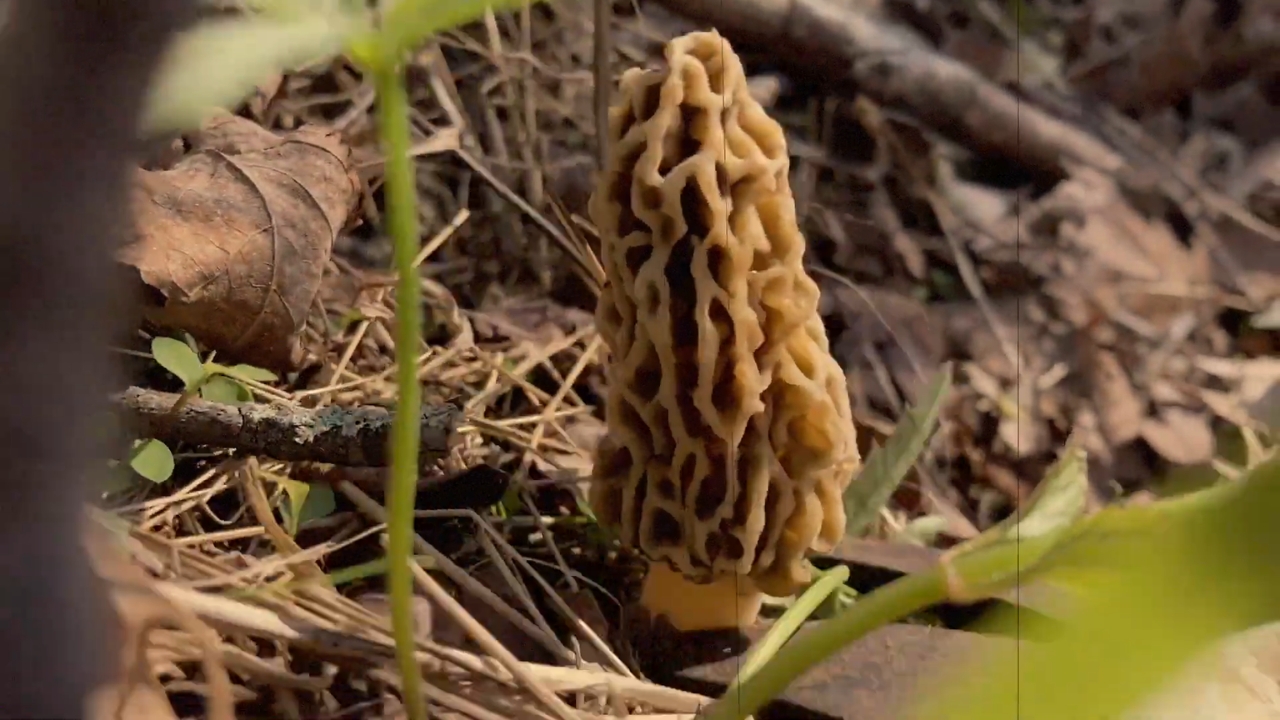
Safe identification is the most important part of the morel season. True morels have honeycomb-like caps and are hollow inside when sliced lengthwise.Cooking Morels
Closing Thoughts