
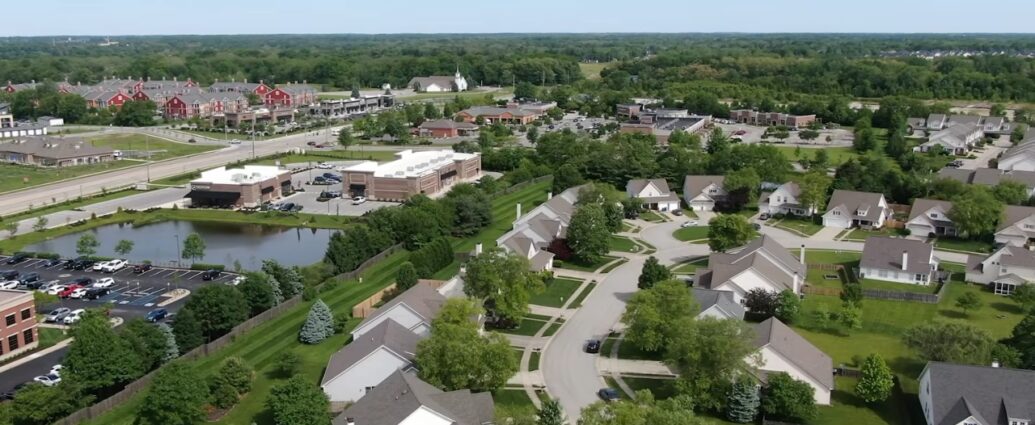
Carmel, Indiana, earned the No. 1 spot on U.S. News & World Report’s 2026 to 2027 Best Places to Live list. City officials announced the result on May 19, 2026, noting that Carmel ranked first among 250 places.
Carmel’s case is built on more than a headline. Strong safety scores, respected schools, public services, parks, arts programming, housing value, job-market access, and proximity to Indianapolis all support the ranking.
Still, a No. 1 ranking raises a fair question: Is Carmel truly one of America’s best places to live, or is it mainly benefiting because national lists reward a certain type of high-performing suburb?
What the Rankings Actually Say
U.S. News ranked Carmel first nationally for 2026 to 2027. Nearby Fishers, Indiana, ranked second, giving central Indiana the top two positions.
The top-five results show how Carmel compares against other highly rated suburbs and small cities:
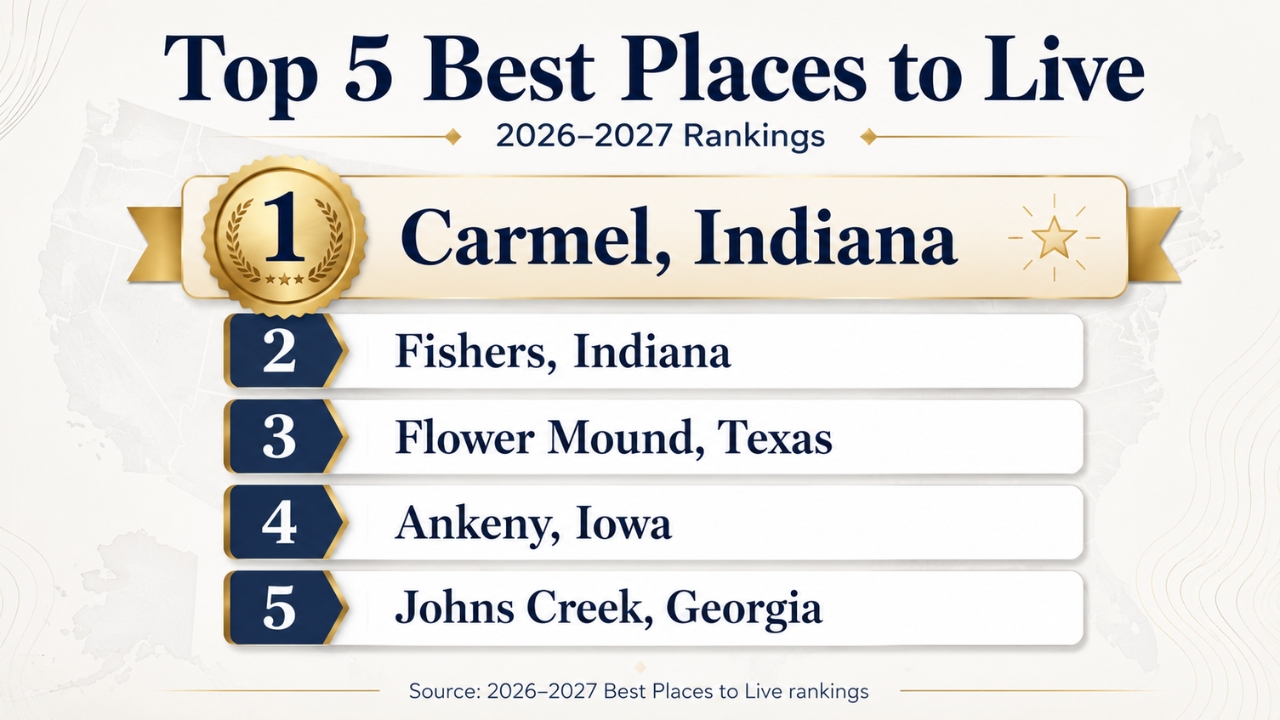
U.S. News evaluated more than 850 cities before ranking 250 places based on how well they match consumer expectations for daily life.
Scoring focused on four main categories: value, quality of life, desirability, and job market. Public survey input helped shape category weights, so resident priorities played a role in the final formula.
Data used in the ranking included information tied to Applied Geographic Solutions, the Bureau of Labor Statistics, the Census Bureau, the FBI, FEMA, NOAA, and internal U.S. News resources.
Carmel’s No. 1 spot was therefore tied to a wide set of measurable factors, not only civic branding.
Carmel also received major Midwest recognition through Livability’s analysis of small to mid-sized cities.
That ranking reviewed more than 2,000 cities with populations between 75,000 and 500,000, then selected the top 100 based on housing, cost of living, amenities, transportation, environment, education, and safety.
Rankings define “best” in different ways. Carmel performs well because it scores across several categories at once: safety, schools, jobs, amenities, housing value, and quality of life.
Carmel’s Biggest Strength – Safety and Family Value
Carmel’s strongest reputation is tied to safety and family life. Many buyers and renters look at the city because they want low crime, reliable public services, strong schools, and a suburban setting that feels organized.
Livability gave Carmel a 100 out of 100 safety score. That is one of the clearest data points behind the city’s national reputation.
Safety also affects housing demand. Families often prioritize communities where children can attend strong public schools while living in neighborhoods with lower crime concerns. In Carmel, school demand and safety reputation work together, helping support home values and long-term buyer interest.
Local identity supports that pattern. Carmel presents itself as a community valued for safety, quality of life, excellent schools, parks, cultural options, and a strong business climate. Those are the same qualities many families consider when choosing a long-term place to live.
Carmel’s safety case is strongest because it is not isolated. Low crime is paired with schools, parks, local events, public planning, and access to a major metro economy.
Schools, Health Care, and Quality of Life

Carmel is often marketed as a place where daily life feels manageable. Schools, health care access, parks, public programming, and infrastructure all contribute to that image.
Award-winning schools are central to the city’s reputation. For families, school quality can shape neighborhood choice, home prices, commute planning, and long-term confidence in a community.
Carmel’s school reputation gives it a strong advantage among households seeking suburban stability near a larger city.
Health care access adds another practical benefit. Livability’s view of Carmel included excellent health care options, a thriving economy, and plentiful job opportunities.
Those factors matter for families, working professionals, and retirees who want key services nearby.
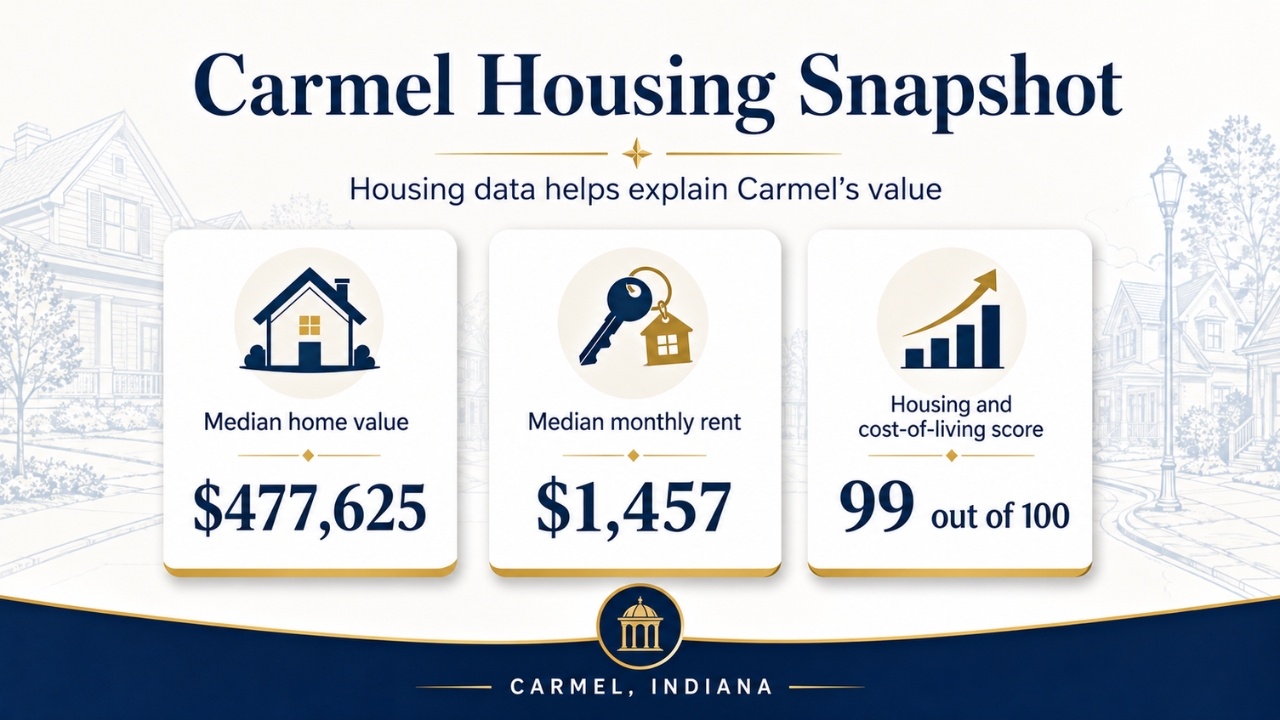
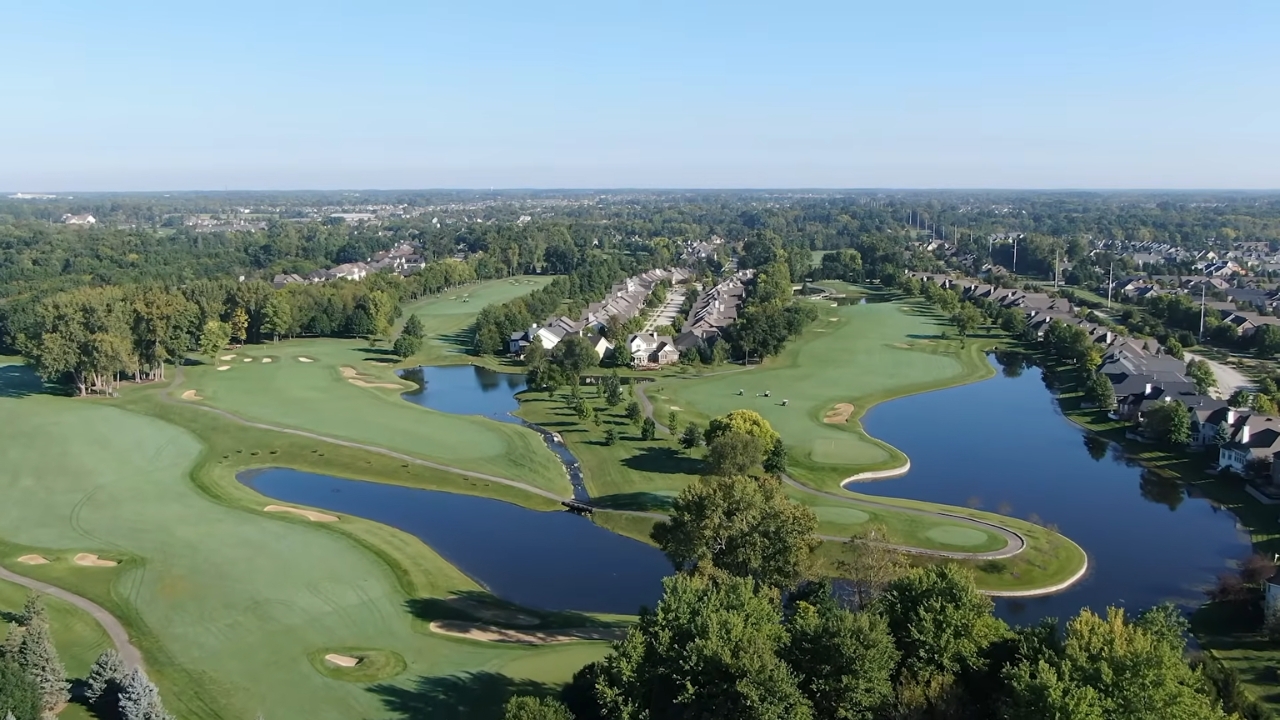
Quality of life was Carmel’s strongest index result, with a No. 15 placement. That category considers education, health care, air quality, environmental risks, state economy, and infrastructure. Public services and planning add another layer. Carmel’s city identity is tied to resident services, economic strength, safety, public spaces, and innovation-minded development. Roads, parks, schools, events, health care access, and business activity all shape how easy a city feels to live in. Carmel performs well because it gives several groups a solid answer at the same time. Parents care about schools and safety. Professionals care about commute access and jobs. Retirees may care about health care, walkability, parks, and events. Carmel is not the cheapest place to live in Indiana. Its value comes through the relationship between cost and quality of life. U.S. News described Carmel and Fishers as neighboring Indiana communities that give residents a strong quality of life without breaking the bank. Housing data helps explain that point: Those numbers show Carmel is not a low-cost market in a basic sense. Instead, residents are paying for strong schools, safety, parks, amenities, public services, and access to Indianapolis. A 99 out of 100 score for housing and cost of living is one of the strongest pieces of evidence supporting Carmel’s livability case. It suggests that the city offers a strong balance between price and quality compared with many other high-demand places. Carmel’s real estate market also shows continued demand. Low crime rates and demand for Carmel’s schools have helped keep the market hot, with home values on a steady upward path. That trend benefits many current homeowners, but it can create pressure for buyers trying to enter the market. Affordability depends on the comparison point. A median home value of $477,625 may be difficult for first-time buyers. Compared with suburbs near larger coastal job centers, though, Carmel may look much more attainable. Carmel’s housing case is strongest for people who want higher-end suburban amenities without paying prices common in larger coastal metros. Carmel’s national reputation is not built only on schools and safety. Amenities play a major role in how the city has shaped its lifestyle identity. Monon Trail is one of Carmel’s best-known outdoor features. One description lists it as a 27-mile trail beginning in Carmel and extending north to Sheridan. Another description places the paved route at 28.5 miles for walkers and cyclists. For residents, it gives the city a major recreation corridor for walking, biking, exercise, and community connection. Parks and green spaces give families, runners, cyclists, and pet owners daily recreation options. In a suburban setting, that kind of access helps keep the city active rather than fully car-centered. Arts and design also shape Carmel’s identity. Its Arts & Design District includes more than 200 shops, galleries, and other businesses centered on art and design. That gives the city a more active cultural profile than many suburbs that rely mainly on shopping centers and residential neighborhoods. Carmel International Arts Festival adds another layer. The event includes more than 100 professional artists, along with jewelry, paintings, sculpture, photography, live music, food trucks, and student artwork. Farmers’ markets, festivals, arts programming, and a European-style Christmas market add to the city’s yearly event calendar. Roundabouts are another recognizable part of Carmel. Known as Indiana’s Roundabout Capital, Carmel has more than 150 roundabouts designed to improve traffic flow and safety for drivers and pedestrians. Carmel’s amenities matter because they give residents access to trails, arts events, restaurants, galleries, golf, parks, markets, and seasonal events while keeping a suburban structure. Carmel sits just north of Indianapolis, giving residents access to a larger job market, airport, sports, dining, universities, hospitals, and cultural institutions. A common estimate places Carmel about a 30-minute drive north of downtown Indianapolis. That distance helps residents keep suburban schools and neighborhood life while staying connected to the state capital. Proximity to Indianapolis expands career options. Carmel has its own business base, but access to the broader metro area gives residents more flexibility. Professionals can live in a safer, school-focused suburb while staying connected to regional employers, downtown offices, health care systems, and universities. Carmel has also built enough local identity to avoid feeling like only a bedroom community. Schools, parks, planning, arts, festivals, golf, trail access, and local business activity give the city its own center of gravity. Regional growth supports that case. More than one-fifth of the U.S. population lives in the Midwest, and Indianapolis is among the region’s fast-growing metros. That puts Carmel inside a larger economic and population center with continued demand. Location may be one of Carmel’s most practical advantages. Residents can get suburban safety and public schools while still having access to a major city’s job base and amenities. Carmel has a strong case as one of the best places to live in America, especially for families, professionals, and retirees who value safety, schools, parks, public services, cultural amenities, and access to Indianapolis. Some buyers may find housing prices difficult. Some residents may prefer denser urban neighborhoods. Others may want a less planned setting. Even so, the evidence shows Carmel is not only benefiting because of the rankings hype. Its top placement is backed by safety, schools, amenities, public planning, job access, health care, and value compared with many other high-quality places to live.
Housing and Cost of Living: Strong Value for Quality of Life
Parks, Trails, Golf, Festivals, and the Arts
Suburban Comfort Near Indianapolis
Closing Thoughts