
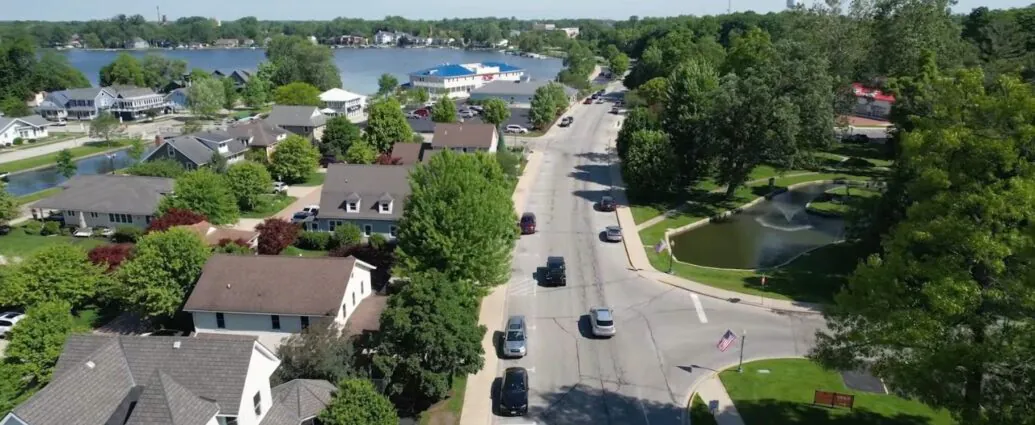
I have lived in Indiana long enough to know when a town has something solid under the surface. A pretty Main Street helps, sure. So does a good coffee shop, a park with people actually using it, and a place where you can get breakfast without feeling like you wandered onto a movie set.
But daily life needs more than charm. It needs grocery stores, schools people care about, roads that do not make every errand feel like a chore, and enough local pride to keep the place moving.
Indiana is still one of the more practical places to live in the Midwest. The U.S. Census Bureau puts the state’s population near 6.9 million residents in 2024, with a median owner-occupied home value of $218,200 and median gross rent of $1,062 for 2020 to 2024.
The state kept growing in 2025 too, adding 38,579 residents and reaching about 6.97 million people, according to the Indiana Business Research Center at Indiana University.
I picked these 12 towns the way I would talk through them with a friend who was seriously thinking about moving. A few look good the second you pull in. A few need a slower look.
The ones that made my list all have something beyond a postcard view: a useful downtown, a reason to stay, and enough personality that life there would feel specific to that place.
How I Made This List
I built this list around one main question: could I picture someone actually living here after the weekend visitors leave? A town had to offer more than a nice downtown or a good photo spot. I looked at daily life first, including grocery access, parks, schools, restaurants, medical care, local services, housing feel, and the drive to larger job markets.
I also looked beyond my own opinion. I checked population figures from STATS Indiana, statewide growth context from the Indiana Business Research Center at Indiana University, park details from the Indiana DNR, historic information from the National Park Service, and local pages from town websites, tourism offices, colleges, museums, and community organizations.
I paid attention to what residents and visitors seem to value too. Local festivals, downtown events, college activity, farmers markets, old theaters, public trails, hospitals, and small businesses all tell you something about how a town functions. A place with a busy calendar, used parks, active local institutions, and people still investing in the center of town usually has more going for it than a place that only looks good from the highway.
The ranking also includes my own opinions. I grew up in Madison and live in Indianapolis, so I notice the details that matter after the first visit: how the streets feel after dinner, whether downtown still has life on a weekday, how far errands take you, and whether the town has enough identity to feel like its own place. Nashville came first because it has the strongest mix of scenery, art, visitor energy, and outdoor access. Madison came second because the riverfront, historic district, and everyday town life still hold up for me.
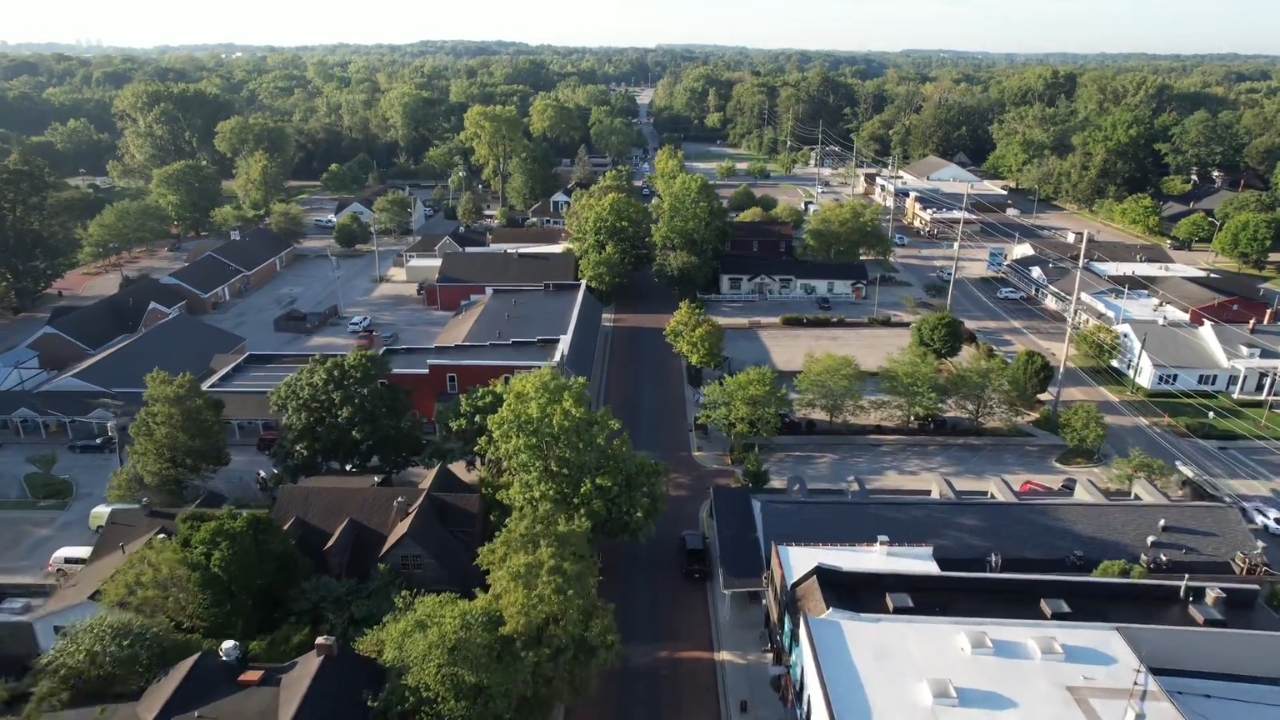
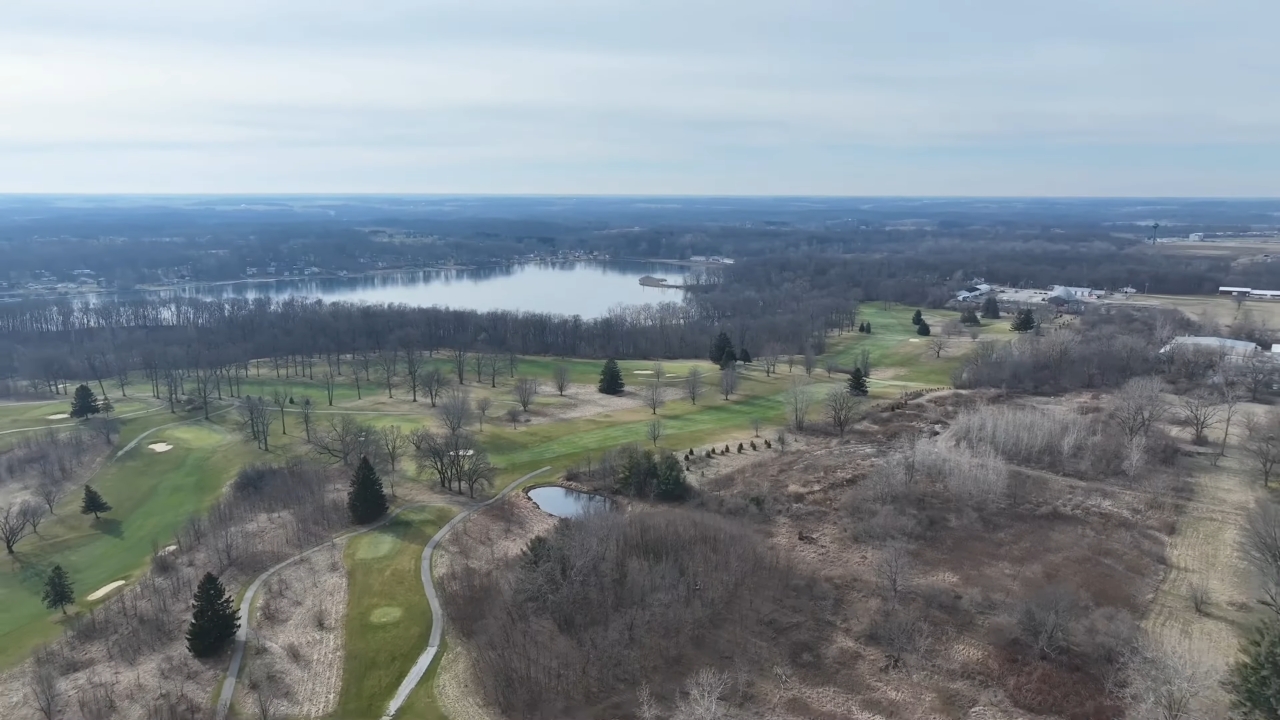
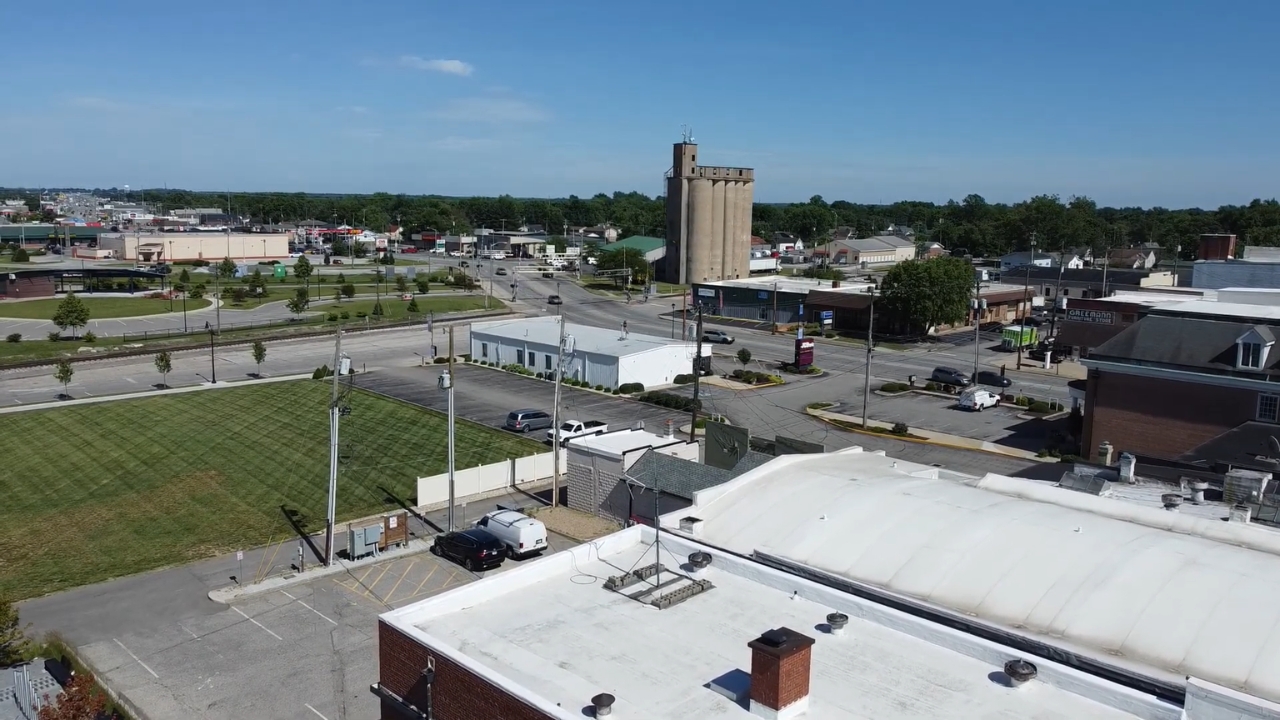
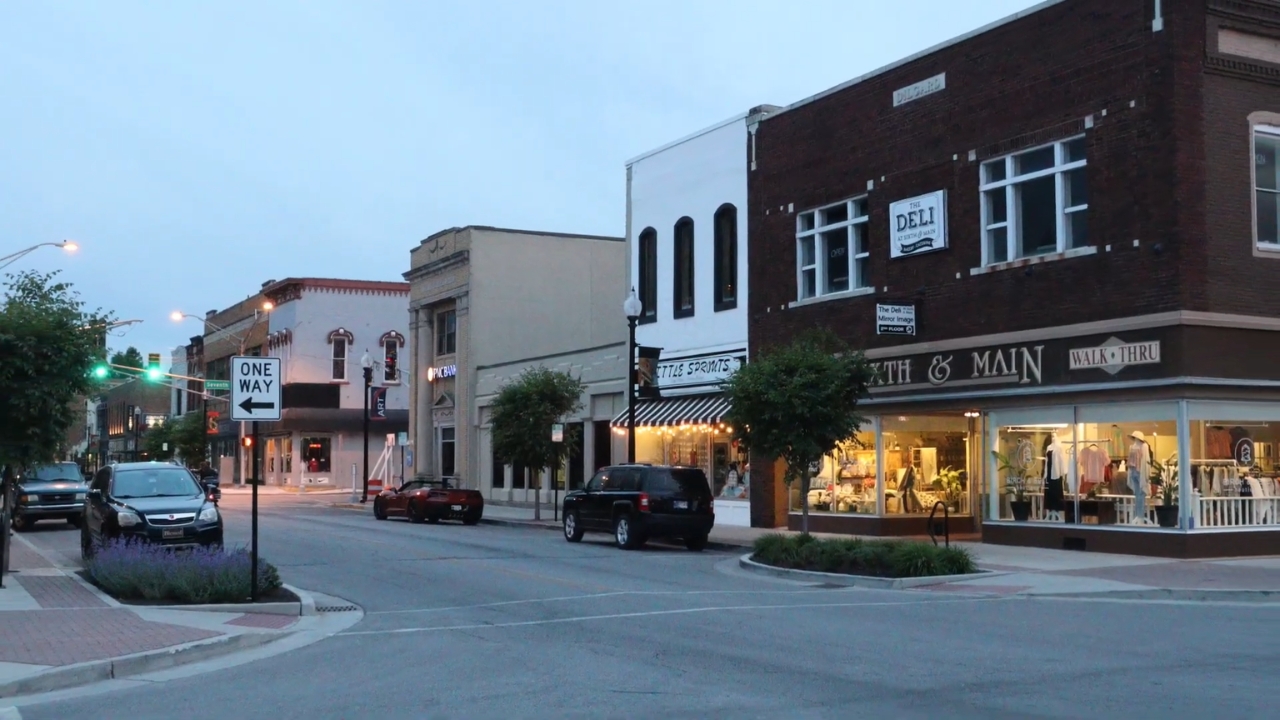
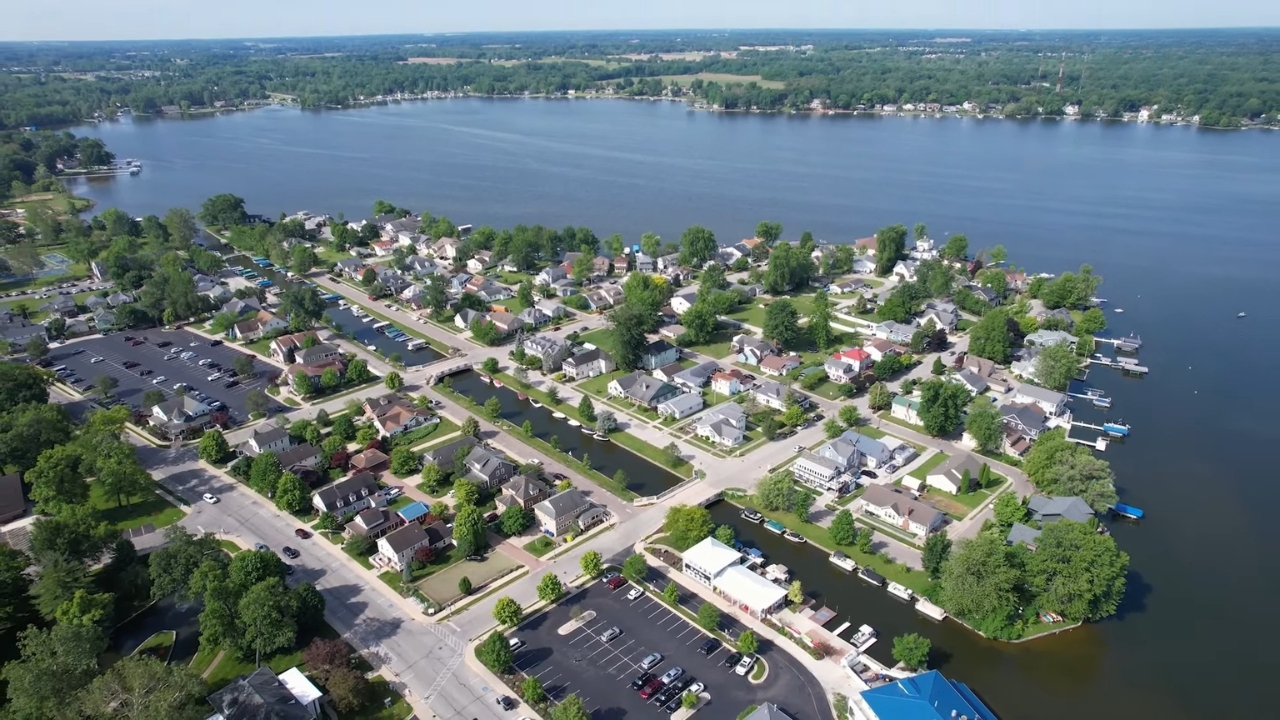
I live in Indianapolis now, but I grew up in Madison. The riverfront, the old streets, and the pace of life there still shape how I judge every town on this list. I put Nashville first, even with Madison sitting right behind it, because Nashville gives newcomers the clearest version of what many people hope to find in a smaller Indiana town. It has the hills, the shops, the galleries, the wooded roads, and enough visitors to keep the place from feeling sleepy. The town is small, with an estimated 2024 population of 1,264 residents. That number does not really explain Nashville. Plenty of towns with more people feel thinner. Nashville has a stronger identity than its size suggests. Downtown Nashville has galleries, studios, restaurants, gift shops, and weekend foot traffic that changes the streets, especially in the fall. The Brown County Art Gallery dates back to 1926 and still supports Indiana artists. The Brown County Playhouse has been part of the local entertainment scene since 1949, with live shows, concerts, movies, and more than 400 seats. Brown County State Park sits just outside town, and that is the part that makes Nashville feel like more than a shopping stop. The Indiana DNR describes it as the largest state park in Indiana and a major fall color destination, with nearly 20 miles of tree-lined roads and scenic views over forested hills. I like Nashville best before the day crowd arrives. You can walk past the storefronts, get coffee, look into gallery windows, and still feel the woods around the edge of town. The tradeoff is tourism. Fall weekends can be crowded, parking can test your patience, and the town has a different mood depending on the season. Even so, for someone who wants art, nature, and a town that makes a strong first impression, Nashville earns the top spot. Madison had an estimated 2024 population of 12,108 residents, according to STATS Indiana. That gives it more weight than the smaller towns on this list. It has enough restaurants, schools, shops, events, and services to feel livable, while still keeping the slower pace that draws people toward towns of this size. The Ohio River shaped the way I remember Madison. I remember walks near the water after dinner, older homes that carried their age well, and local events where you saw familiar faces year after year. That is probably why I care so much about whether a town feels lived in, rather than dressed up for visitors. The historic district gives Madison much of its strength. The National Park Service says the Madison Historic District includes more than 1,800 contributing resources and became a National Historic Landmark district in 2006. The Lanier Mansion, a 1844 Greek Revival home, remains one of the most recognizable historic sites in town. Madison also has its own summer soundtrack. The Madison Regatta has been held for more than 75 years along the Ohio River and remains one of the better-known hydroplane races in the United States. I remember the sound of those boats more than anything else. You could feel the riverfront shake before you even saw them come around. I would recommend Madison to someone who wants history, walkability, and a town with a strong identity. The tradeoff is old home maintenance and distance from larger job markets. Louisville, Cincinnati, and Indianapolis are all reachable, but none feel close enough for a casual daily commute. For the right person, Madison can feel like one of the most complete places in southern Indiana. Zionsville is the most polished town on this list. It has the brick streets, the boutiques, the parks, the schools, and the Indianapolis access that many families want. It also has a higher price tag that comes with all of that. The 2024 population estimate for Zionsville is 33,161. The town sits close to Indianapolis, but it works hard to keep a village feeling in its center. The Town of Zionsville describes its character around the brick street area, historic buildings, locally owned restaurants, shops, galleries, strong schools, and more than 800 acres of parkland. The Village is the part people talk about first. I have walked it on Saturdays when families drift between bakeries, bookshops, boutiques, and dinner reservations. At times, it feels almost too neat, but the appeal is obvious. The streets are cared for, the parks are active, and the schools carry a reputation that keeps demand high. Zionsville is not the town I would suggest to someone looking for a bargain. It works more like an affluent Indianapolis suburb than a rural small town. Still, for people who need metro access and want a strong school system, walkable charm, and maintained public spaces, Zionsville deserves its place here. Culver feels different from most Indiana towns because water controls the mood. Lake Maxinkuckee sits at the center of daily life, and the town changes with the season. Summer brings boats, lake houses, visitors, and long evenings near the shore. Winter is slower, colder, and far more local. Culver had an estimated 2024 population of 1,220 residents. That number only tells part of the story because the town grows in summer when second-home owners and visitors return. Lake Maxinkuckee is Indiana second largest natural lake. It covers 1,864 acres, runs about 2.6 miles long, and reaches a maximum depth of 88 feet. That gives Culver a boating and sailing identity that many Indiana towns simply cannot copy. Culver Academies adds another layer to the town. The campus gives the area a sense of tradition, ceremony, and old institution energy that surprises people who only know Culver as a lake town. I would visit both July and January before deciding to move there. July shows you the appeal. January tells you whether you can live with the slower months. I would consider Culver for someone who wants lake access, a calm pace, and a town that does not feel like a standard subdivision. The tradeoff is scale. Grocery shopping, medical care, and many services may require driving to Plymouth, Warsaw, or South Bend. Lake property can also get expensive fast. Angola is one of the better northern Indiana choices for people who want lakes, parks, and an active outdoor life without giving up basic services. It sits in Steuben County, near several lake communities, and has enough size to act as a local hub. Angola had an estimated 2024 population of 9,432 residents. That puts it in a useful middle range. You still get a courthouse square and a recognizable local identity, but you are not living in a place that feels cut off from stores, schools, restaurants, or medical care. The outdoor access is the point. Pokagon State Park has a refrigerated toboggan run with a 30-foot tower and a 90-foot vertical drop. The Indiana DNR says it attracts about 90,000 riders each season. Nearby Chain O Lakes State Park has nine connected lakes, 23 miles of forested trails, and electric motor only lake access for paddling and fishing. Trine University adds students, jobs, sports, and campus energy. That helps Angola feel more active than many towns of similar size. I like Angola for people who do not want to choose between a practical town and an outdoorsy town. You can have both here. The tradeoff is winter. Northern Indiana feels different in January than southern Indiana. Snow, lake effect weather, and seasonal slowdowns matter. Anyone thinking about moving here should visit during cold weather, not only during a warm lake weekend. Jasper is the kind of town that feels organized without feeling cold. It is clean, stable, and proud of itself in a way that shows up in public spaces, schools, businesses, and local traditions. I like towns that clearly take care of themselves, and Jasper does that better than most. Jasper had an estimated 2024 population of 16,967 residents. The town has long been tied to manufacturing and local employment. That gives it a grounded, working town feel rather than a place built only for visitors. Jasper’s German heritage is one of its strongest identifiers. The city has a sister city partnership with Pfaffenweiler, Germany, and the City of Jasper notes that the connection has supported student exchanges, employer exchanges, artist exchanges, chef exchanges, and decades of cultural ties. The Jasper Strassenfest is the big public celebration of that identity. The town also has some unexpectedly memorable attractions. The Spirit of Jasper Train runs from a depot built as a replica of the former 1906 structure, with renovated climate-controlled lounge cars used for scenic trips and dinner rides. The reconstructed Jasper City Mill and the Patoka River area add to the old town feeling. I would consider Jasper for someone who wants stability, local pride, and a strong sense of civic care. The tradeoff is geography. Evansville, Louisville, Bloomington, and Indianapolis are all far enough away that bigger city trips take planning. Jasper fits best for people whose work, family, or lifestyle already points them toward southern Indiana. Seymour is not the prettiest town on this list, and that is part of why I respect it. It is practical, affordable, connected, and more useful than many places that look better in photos. A lot of people need exactly that. Seymour had an estimated 2024 population of 22,524 residents. Its location along I-65 gives it easy access to Indianapolis and Louisville, while Cincinnati is also reachable for regional trips. Seymour has a well-known music connection. John Mellencamp was born in Seymour, and the city leans into that history through murals and local pride. The local tourism site, Seymour Indiana Tourism, connects the town’s identity with its music history and small-town pride. The Muscatatuck National Wildlife Refuge nearby gives residents access to trails, birdwatching, fishing, and wetlands. That matters because Seymour itself can feel more like a working crossroads than a scenic getaway. A person who wants boutique charm may prefer Nashville or Madison. A person who wants affordability, highway access, and a practical home base should look harder at Seymour. Greencastle had an estimated 2024 population of 9,907 residents. The town changes with the academic calendar, which comes with the territory in any college town. When students are around, the place feels busier. When campus slows down, the pace changes. DePauw University describes downtown Greencastle as closely connected with the campus, with restaurants, events, performing arts, and community gathering places. That connection matters because it gives the town a cultural base that many similarly sized places do not have. I would consider Greencastle for someone who likes books, music, coffee, public lectures, and a little academic energy without wanting to live in Bloomington or West Lafayette. The drive to Indianapolis is manageable, but not nothing. The tradeoff is that job options can be limited unless your work connects to education, local services, health care, remote work, or commuting. Auburn has the kind of character that feels built into the town rather than added for visitors. I would put it on the list for anyone who wants northeast Indiana living with history, a strong courthouse square feel, and Fort Wayne close enough for work, shopping, flights, and larger city services. Auburn had an estimated 2024 population of 13,989 residents. That puts it in a good middle range. Auburn is large enough to have everyday services and local activity, yet still small enough that downtown feels personal. The strongest part of Auburn is its identity. The Auburn Cord Duesenberg Automobile Museum preserves the history of the Auburn, Cord, and Duesenberg cars produced in the area. The museum opened in 1974 and gives the town a story that few Indiana towns can match. I would consider Auburn if I wanted a town with polish, history, and enough local pride to keep the center of town alive. The tradeoff is that Auburn feels more practical than trendy. For many people, that will be exactly the appeal. Batesville can surprise people who only know Indiana from the interstate. From the outside, it looks small and easy to pass by. Once you spend time there, the town feels more stable than its size suggests. Batesville had an estimated 2024 population of 7,353 residents. That makes it one of the smaller towns on this list, but the services are stronger than many people expect. Margaret Mary Health plans to open the new hospital to patients on August 8. Read here: https://t.co/oOLeSAwKAx pic.twitter.com/Pa4rgnGMuk — The 812 (@812now) April 28, 2026 Health care is a major reason. Margaret Mary Health is based in Batesville and describes itself as a not-for-profit critical access hospital with nearly 800 team members serving more than 65,000 residents in Ripley, Franklin, and nearby counties. For a town of this size, that kind of medical access matters. Batesville also benefits from its location along I-74 between Indianapolis and Cincinnati. That gives residents more flexibility for work, airport access, shopping, and family travel. I would look at Batesville as a serious option for families and retirees who want services, schools, employers, and a town that seems to take care of itself. The tradeoff is that Batesville does not have the drama of a lake town or the visual punch of Madison. It feels steady rather than flashy. In a place where you plan to live rather than visit, steady can be a strength. Winona Lake has a different feel from most towns in Indiana. It is small, lakeside, active, and closely tied to both Grace College and nearby Warsaw. I would consider it for someone who wants water, trails, restaurants, campus energy, and a nearby job market. Winona Lake had an estimated 2024 population of 5,107 residents. That number does not tell the whole story because the town benefits from Warsaw next door. You get a lakeside setting, while Warsaw adds more employment, shopping, health care, and daily convenience. The Village at Winona gives the town a center, with shops, restaurants, events, and lakefront activity. Grace College adds students, visitors, sports, and cultural life. The lake and trail network make the town feel outdoorsy in a way that is easy to use, not just something listed on a brochure. I would choose Winona Lake if I wanted daily life to include walking paths, water, coffee, college energy, and quick access to a larger neighboring city. The tradeoff is size. Winona Lake can feel limited by itself, so the best way to judge it is together with Warsaw. Wabash deserves more attention than it usually gets. Several Indiana towns talk about history, but Wabash has history built into the streets, courthouse square, arts venues, and one of the most unusual civic claims in the state. Wabash had an estimated 2024 population of 10,275 residents. That makes it small enough to feel manageable, while still large enough to support a downtown with cultural life. Downtown Wabash was designated an Indiana Cultural District by the Indiana Arts Commission in 2021, according to Downtown Wabash. The district includes walkable streets, public art, community trails, cultural venues, and new housing. The Honeywell Center anchors much of that activity with concerts, exhibits, dining, and events. Wabash also has a fun history detail. On March 31, 1880, officials tested Charles F. Brush’s carbon arc lights by placing four 3,000 candlepower lamps atop the courthouse, according to the Indiana Historical Bureau. That experiment helped Wabash build its old claim as an early electrically lighted city. I would consider Wabash if I wanted an affordable northern Indiana town with a downtown that still has life in it. The tradeoff is distance from the biggest job markets, so it fits best for someone whose work, family, or lifestyle already lines up with north central Indiana. The best town on this list depends on what kind of ordinary day you want. Nashville gives you art and hills. Madison gives you river history. Zionsville gives you schools and Indianapolis access. Culver and Winona Lake give you water. Jasper gives you stability. Wabash gives you culture at a scale that surprises people. My advice is simple: visit the town on a normal weekday, not only during a festival. Walk the grocery store aisles. Sit in a local cafe. Drive the neighborhoods after dinner. Ask yourself whether you would still like the place in February, after the visitors are gone and daily life is all that remains. That is when a town shows you what it really offers.
Town
Why I Would Consider Living There
Population
What Stands Out
Nashville
Creative town near Brown County hills
1,264
Art galleries, state park, fall visitors
Madison
Historic river town with a strong identity
12,108
Ohio River, old homes, walkable downtown
Zionsville
Polished town near Indianapolis
33,161
Brick Main Street, schools, parks
Culver
Lake town with a slower pace
1,220
Lake Maxinkuckee, boating, Culver Academies
Angola
Northern Indiana base for lakes and parks
9,432
Pokagon, Chain O Lakes, Trine University
Jasper
Stable working town with civic pride
16,967
German heritage, local jobs, public spaces
Seymour
Affordable town with strong highway access
22,524
I-65, commuter value, Mellencamp connection
Greencastle
College town with culture and events
9,907
DePauw University, downtown, arts
Auburn
Northeast Indiana town with history
13,989
Classic cars, courthouse square, museums
Batesville
Small town with strong services
7,353
Health care, employers, I-74 access
Winona Lake
Lakeside town tied to Warsaw
5,107
Trails, Grace College, Village at Winona
Wabash
Historic town with arts and downtown energy
10,275
Honeywell Center, cultural district, river setting
1. Nashville – Brown County as My Favorite Pick
2. Madison – The River Town Where I Grew Up
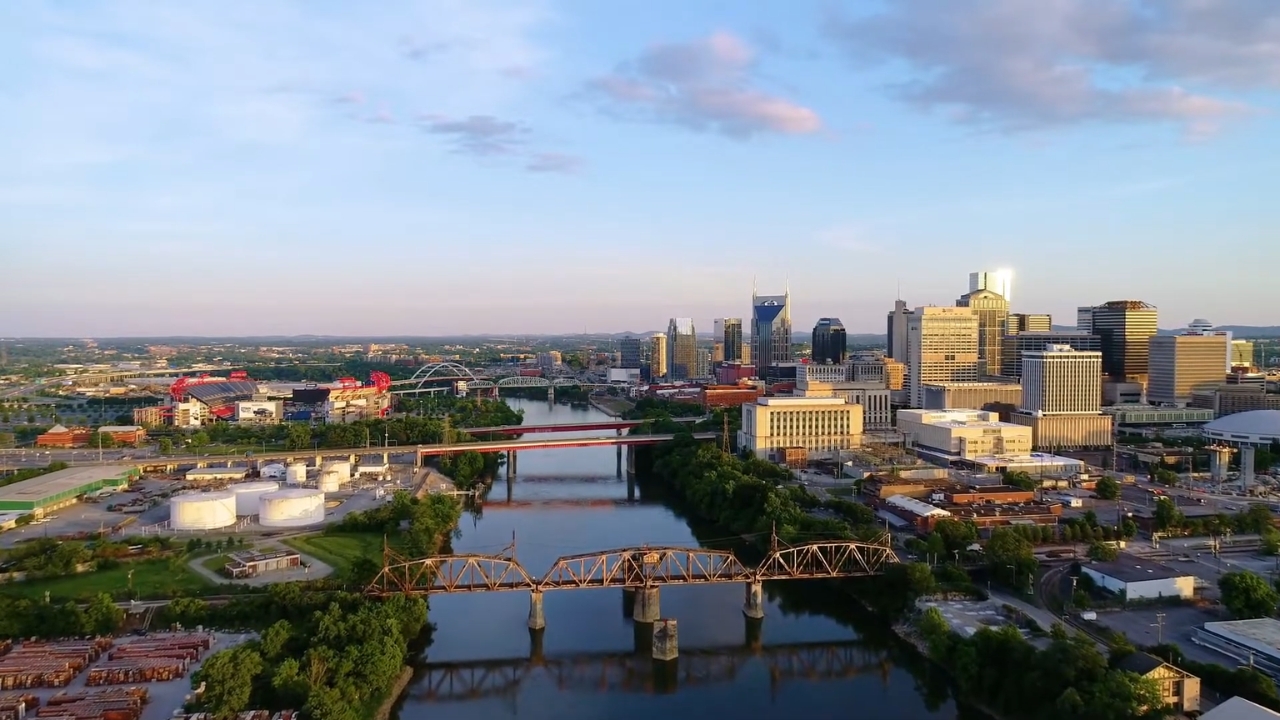
Madison is personal for me, so I try to be fair with it. I grew up there, and childhood loyalty can make any place feel larger than life. Still, Madison belongs near the top because it has something rare in Indiana: a riverfront, a walkable downtown, old homes, steep streets, and a sense of place that holds up after you know the town well.3. Zionsville – Brick Main Street, Good Schools
4. Culver – A Lake Town With A Different Pace
5. Angola – A Northern Indiana Town Built Around Lakes And Parks
6. Jasper – German Heritage, Strassenfest, And A Town Built Around Steady Jobs
7. Seymour – I-65 Access, Lower Housing Costs, And John Mellencamp History
8. Greencastle – DePauw University, Downtown Events, And College Town Energy
Greencastle has the advantage of DePauw University without the scale of a large college city. That makes the town feel more active than its population suggests. There are lectures, concerts, student events, restaurants, and enough downtown movement to keep things from feeling flat.9. Auburn – Auburn Cord Duesenberg History, Classic Cars, And Fort Wayne Nearby
10. Batesville – Margaret Mary Health, I-74 Access
11. Winona Lake – Village At Winona, Grace College, And Trails Near Warsaw
12. Wabash – Honeywell Center, Electric Light History, And A Cultural District
Final Thoughts