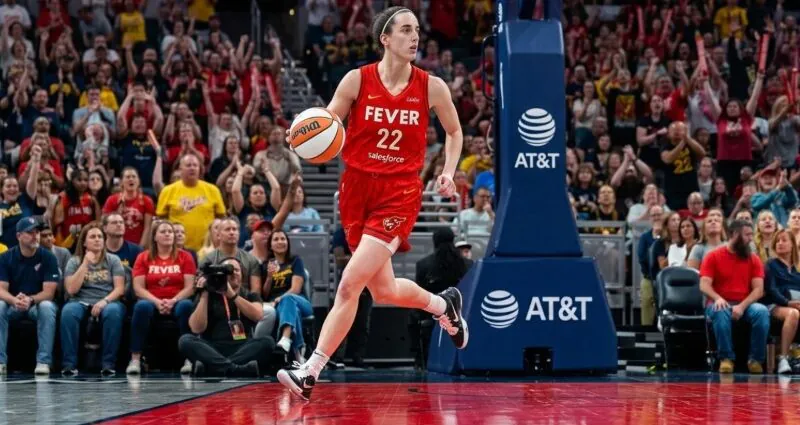
Gainbridge Fieldhouse went quiet too often during the Fever’s losing years. Caitlin Clark changed that fast.
Caitlin Clark Effect describes how one player can shift an entire team environment, including ticket sales, TV coverage, merchandise, media attention, and public interest. In Indianapolis, that effect turned the Fever into one of the WNBA’s most-watched teams.
Clark did not create Indiana’s love of basketball but she redirected it toward a Fever team that needed relevance, wins, and a reason for fans to believe again.
Before Clark – A Franchise Waiting for Relevance
Indiana had WNBA history before Clark arrived. Tamika Catchings gave the Fever a championship identity, but the franchise lost national relevance after her retirement.
Indiana had not reached the playoffs since 2016. A winning season had not happened since 2015. Across the five seasons before Clark’s arrival, the Fever won only 28 games total.
That record made the shift feel dramatic. Clark joined a team with history, but not recent momentum. Indianapolis already had a basketball identity built on high school gyms, Pacers history, and state pride, yet Fever basketball sat outside the center of that culture.
Caitlin Clark’s effect mattered because it gave the city a reason to look at the Fever again. Attention came first. Belief followed.
Clark’s College Stardom Becomes Indianapolis’s Opportunity
Clark arrived in Indianapolis with a national fanbase already attached. Her Iowa career made her one of the most-watched college basketball players in recent memory.
She broke the Division I all-time scoring record by reaching 3,685 career points, passing Pete Maravich. She also became the first Division I player to record more than 3,000 points, 900 assists, and 800 rebounds in one college career.
Her final two Iowa seasons turned into national events. Iowa went 65-12, reached back-to-back national championship games, and finished as national runner-up twice.
Key college data explains the size of her arrival:
- 3,685 career points
- Division I all-time scoring record
- 3,000-plus points, 900-plus assists, and 800-plus rebounds
- Back-to-back national title game appearances
- 65-12 record across her final two college seasons
Indiana was not only drafting a guard. It was adding a player with an audience, a record-breaking résumé, and national interest strong enough to change the Fever’s place in the WNBA.
Draft Night and Immediate Shockwaves
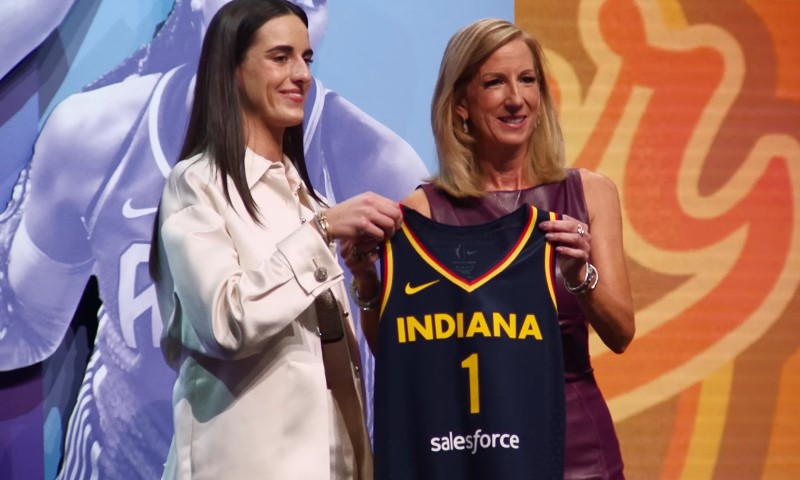
Indiana selected Clark No. 1 overall in the 2024 WNBA Draft. Fever demand rose immediately.
Ticket prices quickly doubled ahead of her debut. Before Clark played a professional game, 36 of Indiana’s 40 regular-season games were scheduled for national television.
WNBA Draft viewership showed the same pull. The 2024 draft became the most-viewed WNBA Draft ever, peaking at 3.09 million viewers. Jersey demand also surged after Clark’s selection.
Caitlin Clark effect made Indianapolis part of a national basketball story before opening night. Fever games no longer looked like ordinary local events. They became appointments for TV networks, ticket buyers, media outlets, and fans who had followed Clark out of college.
Arena Effect – Local Team Becomes Must-See Event
Attendance became one of the clearest signs of the Caitlin Clark Effect. Ticket sales rose at every venue where Clark appeared, and televised Fever games produced ratings spikes.
Several opponents moved Fever games to larger arenas because demand was too high for smaller buildings. Reports also noted that Indiana planned to move some games to bigger venues, showing how Clark affected scheduling and venue choices before her pro career had fully started.
Inside Indianapolis, Fever games changed in visible ways:
- Larger crowds made home games louder
- Families treated games as major outings
- Young girls arrived in Clark jerseys
- Casual fans started following WNBA storylines
- National media turned local games into wider sports events
Fever basketball became part of how Indianapolis gathered again. Clark brought attention, but fan response proved the city was ready to care.
Basketball Product – Clark, Boston, and a Real Core
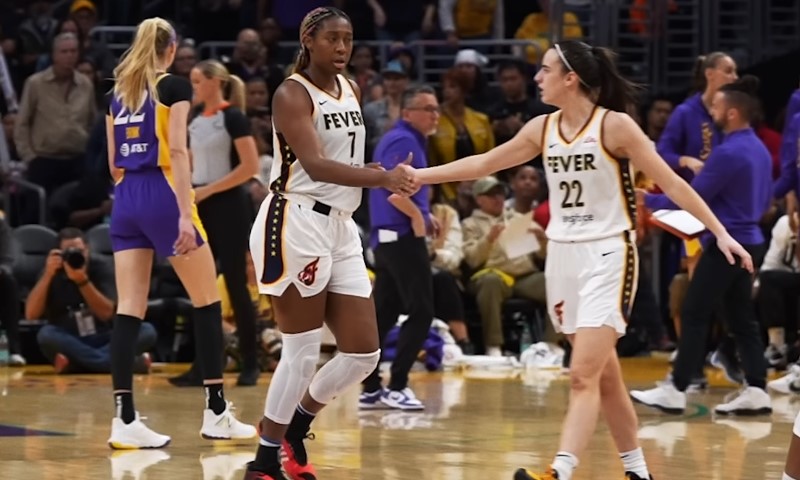
Attention brought fans in, but basketball had to keep them interested. Indiana had that chance with Clark and Aliyah Boston.
Boston had already become the WNBA’s unanimous Rookie of the Year one season before Clark arrived. Pairing her with Clark gave Indiana one of the league’s most exciting young cores.
Boston praised Clark’s passing, shooting, communication, and ability to find teammates. Coach Christie Sides called Clark’s floor spacing “incredible” and noted that teammates were still adjusting to the kinds of passes she could make.
During a 2.5-hour practice open to media, Clark worked with Indiana’s starters for most of the session and showed her deep shooting range, including logo threes.
Indiana’s core gave fans more than celebrity:
- Clark added shooting range, passing, and pace
- Boston gave Indiana interior scoring and stability
- Clark’s spacing created cleaner chances for teammates
- Young players gave fans a reason to track growth
Caitlin Clark Effect started with attention, but Fever optimism depended on basketball. Clark and Boston gave Indianapolis a team that looked worth following.
Indianapolis Becomes Ground Zero
Clark changed local sports coverage in Indianapolis. Poynter and Mirror Indy described the city as “ground zero for the revolution in professional women’s sports” because Clark and the Fever turned local WNBA coverage into a national story.
Readers wanted more than game recaps. They wanted player access, coaching strategy, league context, roster analysis, and insight into team dynamics.
One viral Clark-Stephanie White moment produced 11 local news stories, with more than half by the IndyStar, plus many national stories and social media reactions. That example showed how even routine team moments could become major coverage topics.
IndyStar’s full-time Fever beat also mattered. Chloe Peterson covered the team full time while many local newsrooms still treat women’s sports as extra coverage.
Increased attention added pressure. Normal competitive moments can be inflated when one player attracts huge interest. Responsible coverage had to include Clark, teammates, coaches, and opponents without turning every exchange into drama.
Fever basketball became a regular part of Indianapolis sports conversation because Caitlin Clark Effect forced local media to treat the team as a main story.
Business Impact of Caitlin Clark Effect
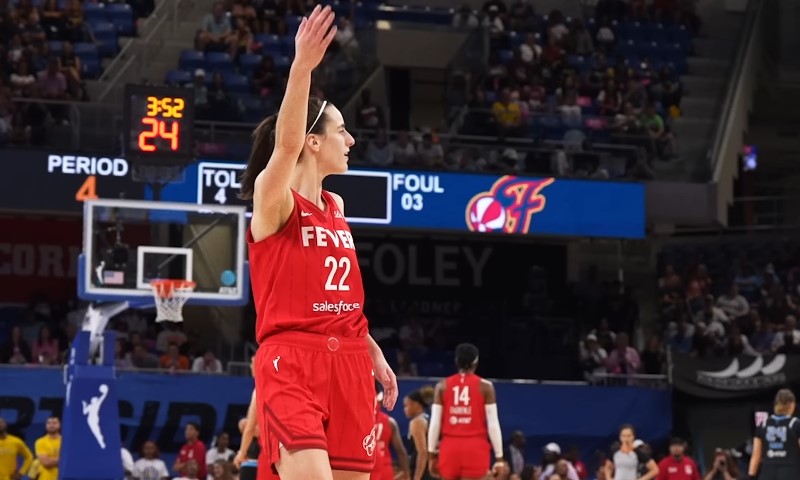
Caitlin Clark Effect reached ticket sales, merchandise, TV ratings, league visibility, and future revenue.
NBC News reported that Clark’s popularity boosted attendance, merchandise sales, and historic TV ratings wherever the Fever played in 2024. Indiana games became business events for host cities and broadcast partners.
One estimate showed the scale. Indiana University Columbus finance professor Ryan Brewer estimated that Clark was responsible for 26.5% of all WNBA economic activity during the previous season, including merchandise, ticket sales, and television revenue.
WNBA business growth also included an 11-year, $2.2 billion media-rights deal. Clark’s arrival lined up with a major financial turning point for the league.
Indianapolis benefited in clear ways:
- Higher Fever ticket demand increased franchise value
- National broadcasts put Indianapolis in front of wider audiences
- Jersey sales made Clark one of the league’s top retail names
- Road games involving Indiana helped opposing venues
- Local media gained year-round Fever relevance
Fever basketball became one of the easiest entry points into the WNBA’s growth story. Indianapolis moved closer to the center of league business, media, and fan attention.
More Than a Moment
View this post on Instagram
Caitlin Clark Effect turned the Fever into a phenomenon and made Indianapolis central to women’s basketball growth.
A franchise with only 28 wins across five seasons became one of the WNBA’s most in-demand teams. A rookie with 3,685 college points arrived with national attention already attached. Indiana entered the 2024 season with 36 nationally televised games, higher ticket prices, bigger venue demand, and intense local coverage.
Clark brought the spotlight. Indianapolis filled the seats, followed the stories, bought the jerseys, and treated the Fever like a major basketball team again.
Lasting success now depends on turning attention into loyal fandom. Clark opened the door, and Indianapolis proved it was ready for Fever basketball to matter again.