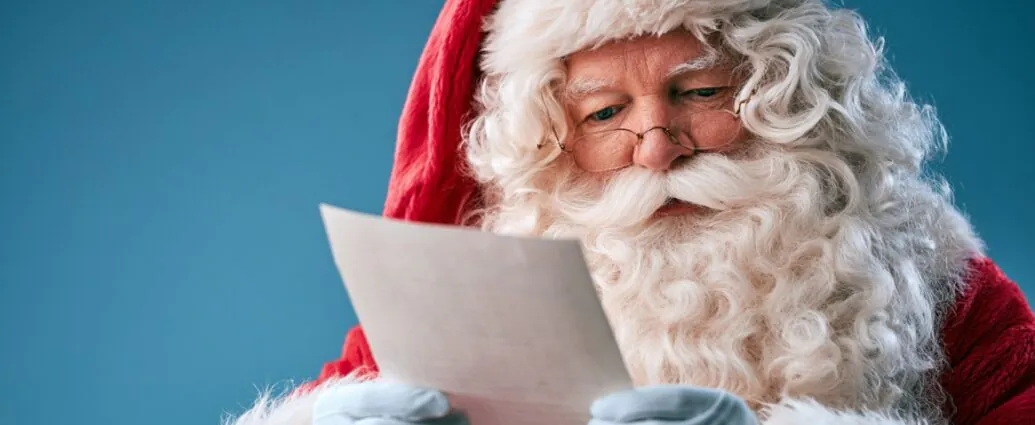
Santa Claus, Indiana, is a small town with a name that sounds made for Christmas mail. Each year, thousands of letters addressed to Santa arrive there, and volunteers make sure many of those letters get an answer.
Known as “America’s Christmas Hometown,” Santa Claus has built its identity around Christmas all year long.
Visitors can find holiday lights, Christmas-themed street names, a 22-foot Santa statue, Santa’s Candy Castle, Land of Lights, and Holiday World. Holiday spirit is not limited to December in Santa Claus. It shapes daily life, local history, and one of America’s most beloved mail traditions.
For more than 100 years, volunteers have helped answer letters sent to Santa Claus, Indiana.
Their work keeps a simple idea alive – when a child writes to Santa, someone should write back.
How Santa Claus Got Its Name
Children began sending letters to Santa Claus, Indiana, because the town’s name made it seem like the right place to reach Santa. Over time, more and more mail arrived with Santa’s name on it.
In 1914, Postmaster James Martin began answering some of those letters. What started as a small act of kindness gradually grew into a community effort. As letter numbers increased, neighbors began helping with replies.
National attention arrived in 1929, when Robert Ripley featured Santa Claus in his “Believe It or Not” newspaper cartoon. After that, even more letters poured into town. Santa Claus, Indiana became known nationwide as a place where Santa mail was not ignored.
During the 1930s, Jim Yellig helped organize replies. Known for playing Santa in the town for decades, Yellig became an important figure in keeping the letter-answering effort alive.
His daughter, Pat Koch, later carried that work forward and became known as the town’s “Chief Elf” or “Chief Mail Elf.”
Who Answers Santa’s Mail
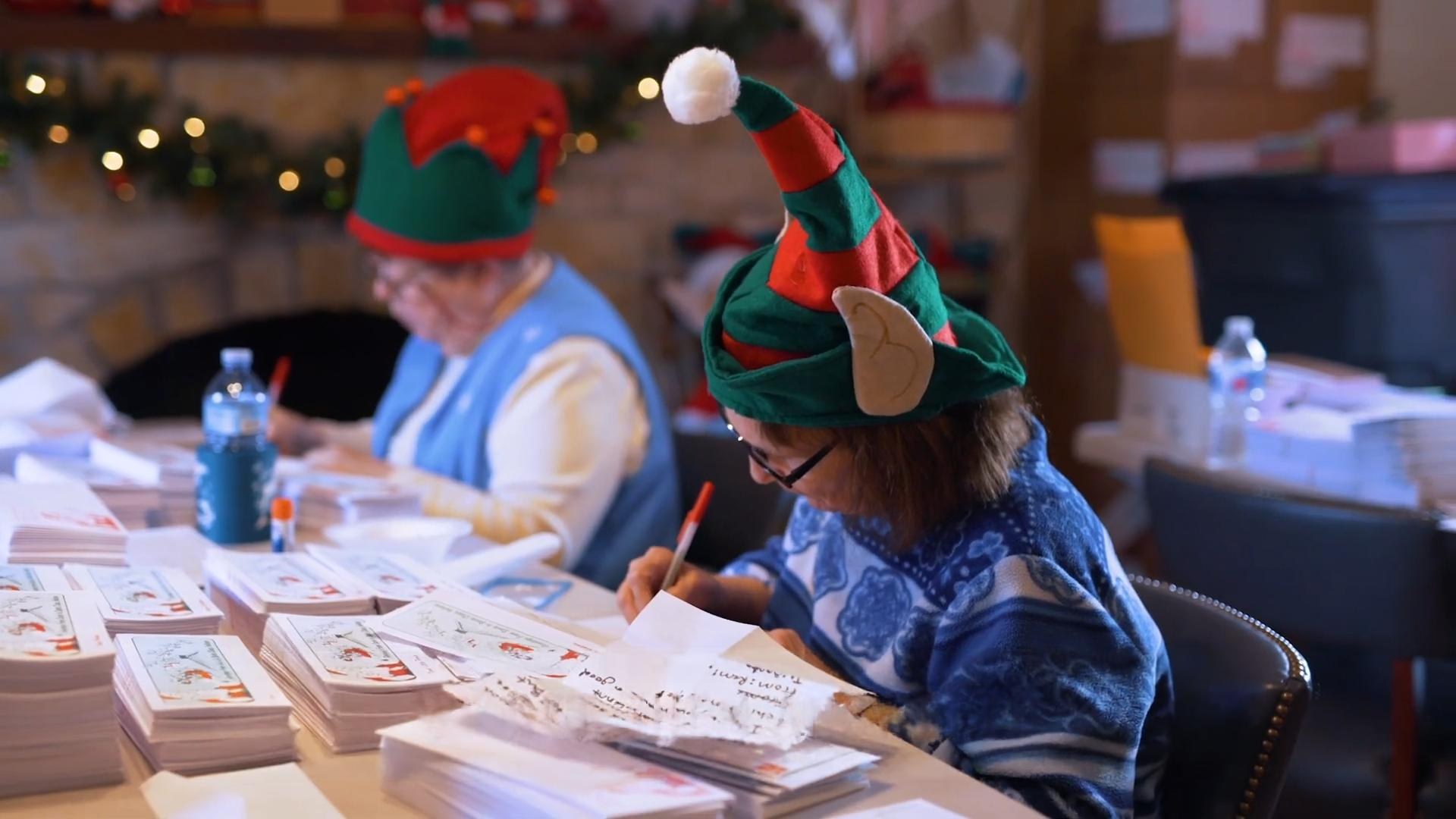
Volunteers known as “Santa’s Elves” answer the letters. Community groups, high school students, neighbors, and friends gather at the Santa Claus Museum & Village to help write replies.
Around 300 elves help process the mail during the busy season. At times, volunteers write as many as 2,000 notes in a single day.
December can bring long hours, with some volunteers working 12-hour days so children can receive personal replies.
Pat Koch has helped answer Santa letters since childhood. Over many decades, she has worked to protect and continue the tradition. Her role as “Chief Elf” connects today’s volunteers with the generations who answered letters before them.
Every reply carries care. Volunteers use several standard responses, but each letter also includes a handwritten note that mentions something specific the writer said.
That detail helps make the answer feel personal rather than automatic.
How Big Santa’s Mail Tradition Has Become
Santa Claus, Indiana receives thousands of letters each year. Some reports place the number at more than 13,000 annually, while others describe totals above 20,000.
Annual totals are often framed around roughly 22,000 letters.
Global interest has made the town’s mailbox much larger than a local holiday custom:
- More than 13,000 letters are answered in some annual counts.
- More than 20,000 letters arrive in other yearly reports.
- Roughly 22,000 letters is often used to describe the scale of the tradition.
- Japan, China, Malaysia, Taiwan, Lithuania, and Hong Kong are among the places tied to Santa mail sent to Indiana.
Families who want a reply can send letters to Santa Claus, PO Box 1, Santa Claus, Indiana 47579. Letters should arrive by December 21 to help guarantee a response.
Why Santa Letters Matter
Some letters are funny and lighthearted. Others are emotional, serious, or sad. Children may ask playful questions, request gifts, or share details about their families. Adults also write, including people who are comfortable and people facing hard times.
Santa’s Elves also receive letters tied to loneliness, hardship, and separation. Some older adults write because they want a connection. Some inmates ask Santa to write to their children.
Volunteers cannot send money, toys, or miracles. What they can send is warmth, encouragement, and proof that someone read the letter. For many writers, a reply signed by Santa can mean more than a gift.
Personal attention matters most. A handwritten note about a detail in each letter tells the writer that someone noticed. That small act turns a holiday tradition into a human connection.
View this post on Instagram
Summary
Santa Claus, Indiana, is more than a town with a festive name. Its mail tradition shows how a small community can keep Christmas magic alive through kindness, volunteer work, and careful attention.
Every year, letters arrive with hopes, jokes, wishes, worries, and questions. Volunteers answer as many as they can, not because they have to, but because the tradition matters.
In Santa Claus, magic is not only in receiving letters. Magic also lives in making sure someone writes back.