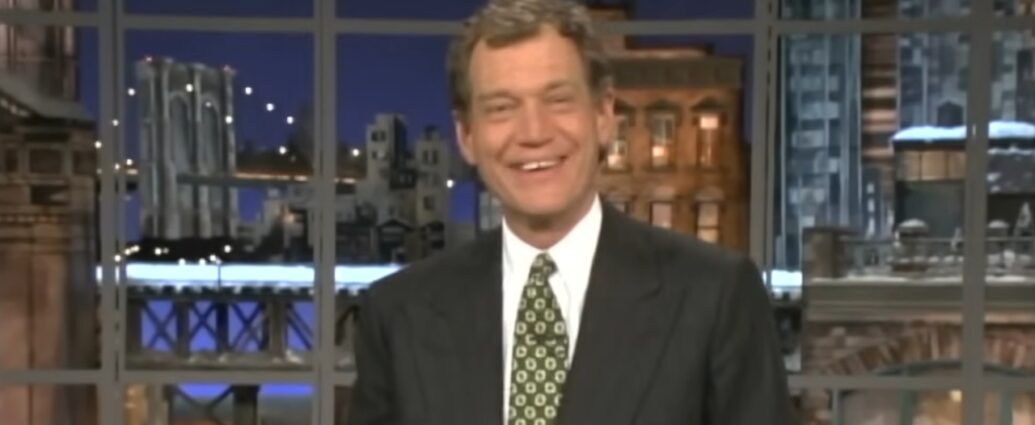
David Letterman became one of America’s most recognizable late-night hosts, appearing in more than 6,000 episodes during his television career.
Long before national fame, he worked in Indiana as a radio announcer, television anchor, reporter, children’s-show host, and weatherman.
Each position gave him room to test jokes, experiment with awkward interviews, and challenge the serious tone expected in local broadcasting.
Early Broadcasting Career
View this post on Instagram
Letterman studied radio and television at Ball State University and gained early experience at WBST, the school’s student radio station.
During the 1966 election, he helped announce voting results. His time at WBST ended after station managers objected to his irreverent treatment of classical-music programming.
Instead of presenting composers traditionally, Letterman reportedly altered their biographies by adding jokes, false details, and comic observations. Such behavior caused problems at the station, but it also showed his early instinct for disrupting serious formats with unexpected humor.
After graduating, Letterman worked at Indianapolis radio station WNTS.
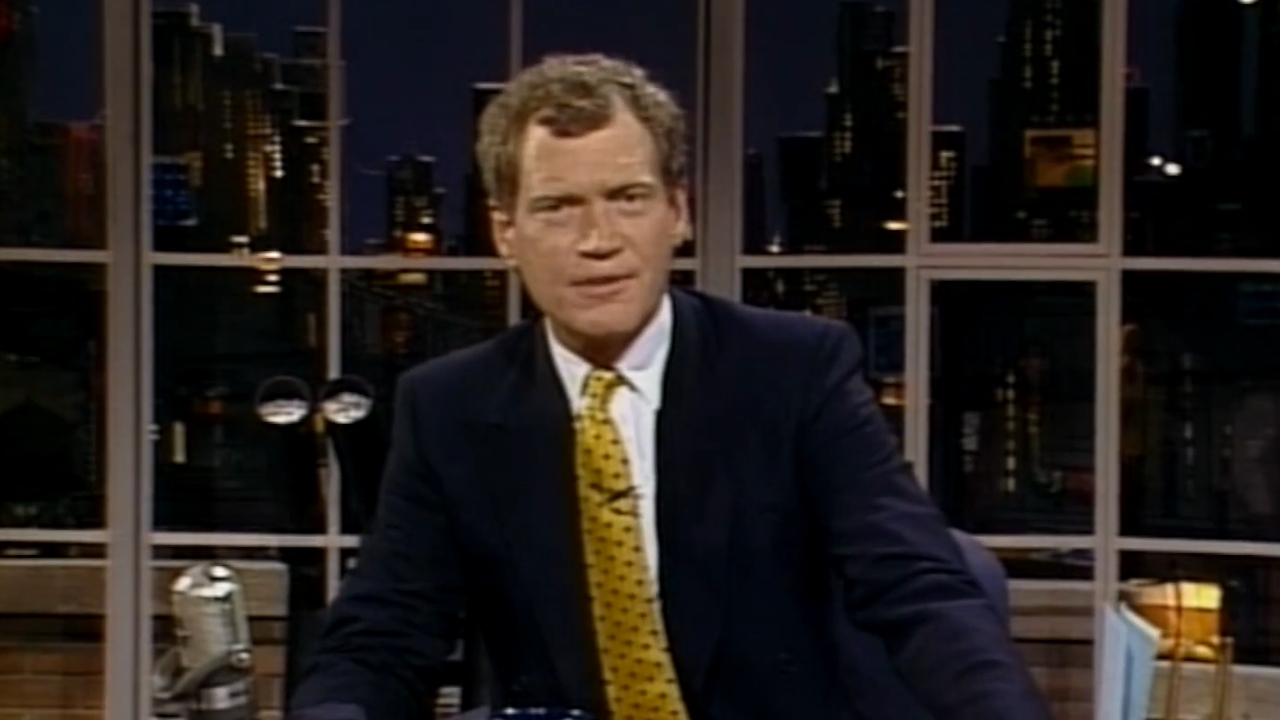
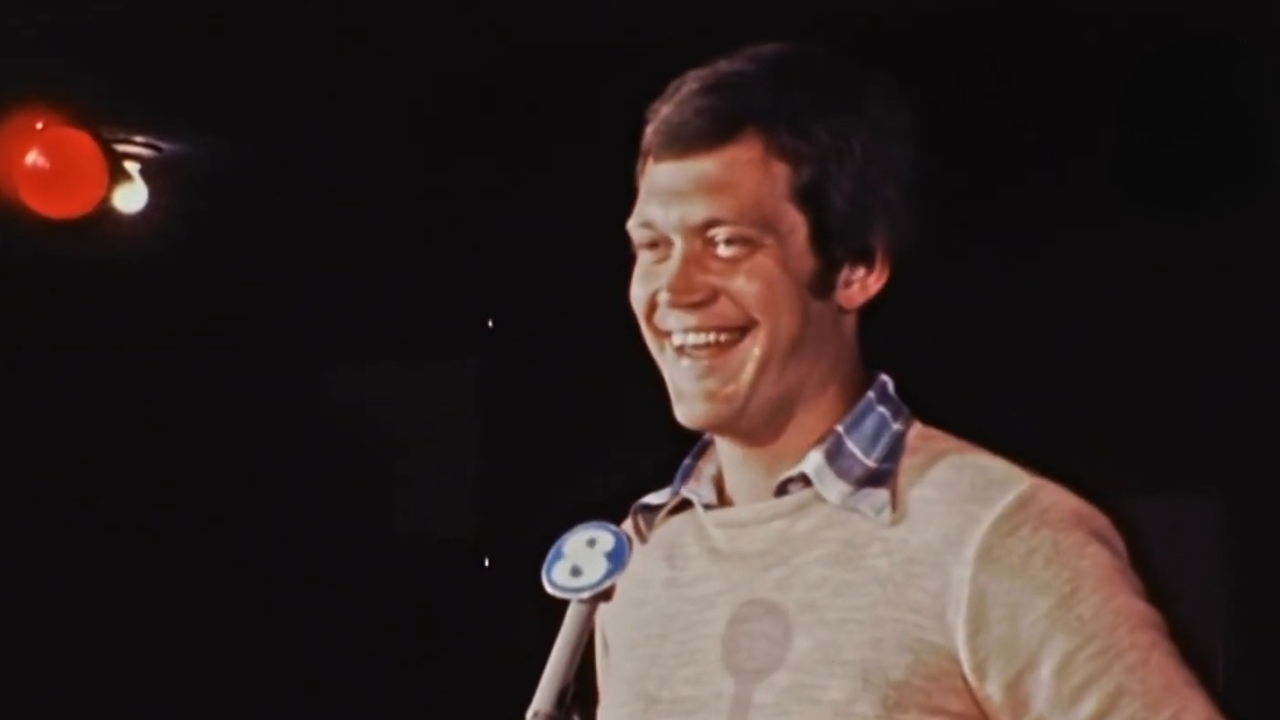
Local broadcasting required flexibility, so employees often handled several assignments. Frequent live appearances gave Letterman valuable experience with timing, improvisation, and audience reactions. Routine temperature reports soon became opportunities for jokes. Letterman sometimes announced weather conditions for cities that did not exist, treating fictional locations with the same seriousness as real communities. One forecast included congratulations for a tropical storm after it had been upgraded to a hurricane. Another warned viewers about hailstones described as being “the size of canned hams.” Absurd statements worked because Letterman delivered them with a calm, professional expression. Instead of signaling that a joke was coming, he presented ridiculous information in the same tone used for legitimate weather reports. Weather segments also taught Letterman how to work without a script and recover when live television became unpredictable. Such skills later became essential during celebrity interviews, audience interactions, and improvised comedy segments. The weather was only one part of Letterman’s Indianapolis television career. He also worked as a news anchor and hosted several local programs. Saturday mornings found him hosting Clover Power, a program featuring interviews with members of 4-H. Young guests discussed agricultural projects, animals, competitions, and community activities. Simple interviews gave Letterman opportunities to practice reacting to ordinary people rather than professional entertainers. Humor often came through unusual follow-up questions, uncomfortable pauses, or unexpected comments. Late-night viewers also saw him host a movie program. Presenting films gave him another setting in which to experiment with introductions, jokes, and informal commentary. One memorable assignment took place at the 1968 Indianapolis 500. Letterman worked as a field reporter and interviewed race car driver Mario Andretti. Instead of asking technical questions about racing, he deliberately asked obvious questions. Such exchanges turned a standard sports interview into comedy by exposing how predictable television reporting could be. Letterman moved to Los Angeles in 1975 and began performing regularly at the Comedy Store. Stand-up comedy allowed him to refine material in front of live audiences and build connections within the entertainment industry. Television opportunities followed, although success did not come immediately. In 1977, he hosted a game-show pilot titled The Riddlers, but networks declined to turn it into a series. A role in the 1978 comedy special Peeping Times gave him additional exposure. He also worked on Mary, a variety series starring Mary Tyler Moore. Critical praise accompanied his daytime program, which won 2 Emmy Awards. Until today, he has won 16 Emmy Awards. Ratings told a different story, showing that Letterman’s unconventional humor did not fit easily into morning television. A later time slot proved far more suitable. Late Night with David Letterman gave him greater freedom to use strange sketches, unpredictable interviews, self-aware jokes, and comedy built around television itself. Letterman’s Indianapolis career was where his comic style first took shape. Fictional weather reports, awkward interviews, obvious questions, self-deprecating humor, and disregard for broadcasting conventions all appeared before Late Night. Local television gave him the freedom to experiment before a national audience discovered him.
Letterman as a Weatherman
Weather broadcasting during that period differed greatly compared with modern television. Many local weather presenters were broadcasters rather than trained meteorologists, giving Letterman more freedom to approach forecasts as entertainment.
Other Local Television Work
Move to National Television
Closing Thoughts