
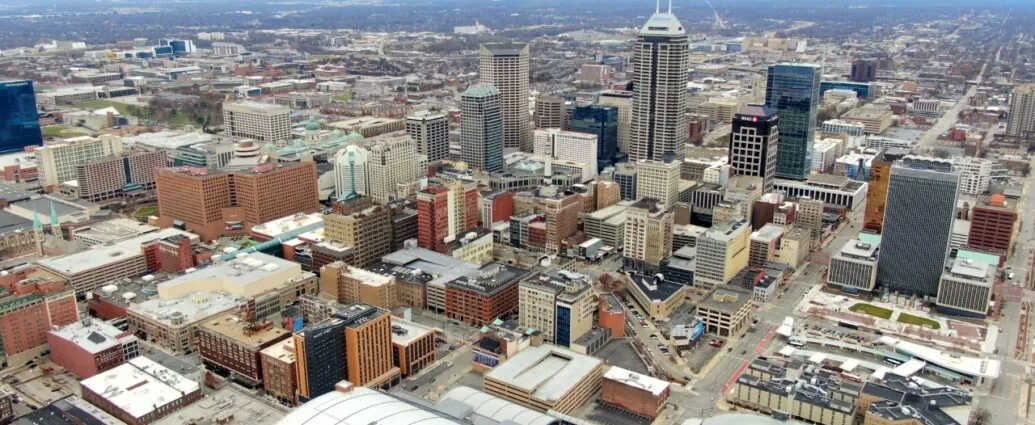
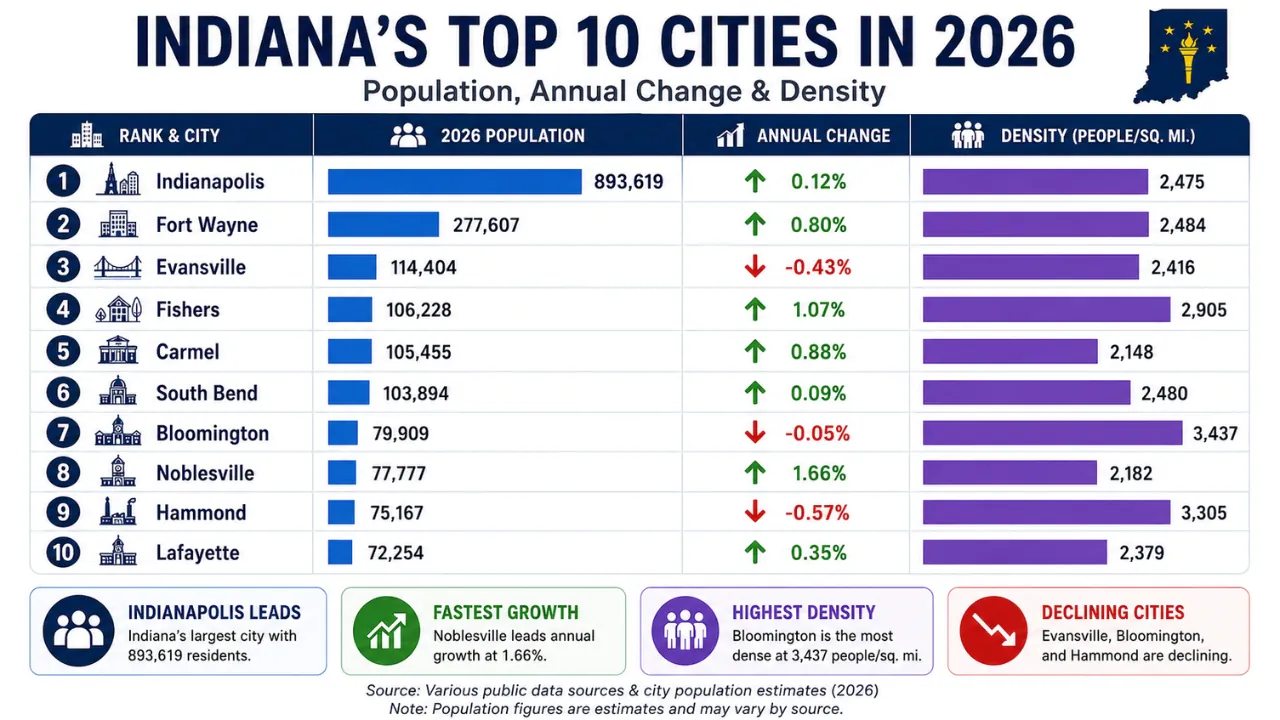
Indiana’s biggest cities in 2026 show a state led by one huge capital city, one strong second-place city, several long-established regional centers, and a fast-growing group of Indianapolis-area suburbs. It is worth knowing that only 14%, or 900,000, of the Indiana population lives outside cities.
Indianapolis has no close in-state rival, with a 2026 population estimate of 893,619.
Another cited count places Indianapolis at 887,642, still far ahead of every other city in Indiana. A separate ranking lists Indianapolis at No. 1 with a current population of 885,860, compared with 809,804 in 2010, a 9.4% increase.
Two major patterns define the 2026 ranking. Indianapolis and Fort Wayne sit well ahead of the rest of Indiana. But what about the rest of the Hoosier State?
1. Indianapolis is Indiana’s Clear Population Giant
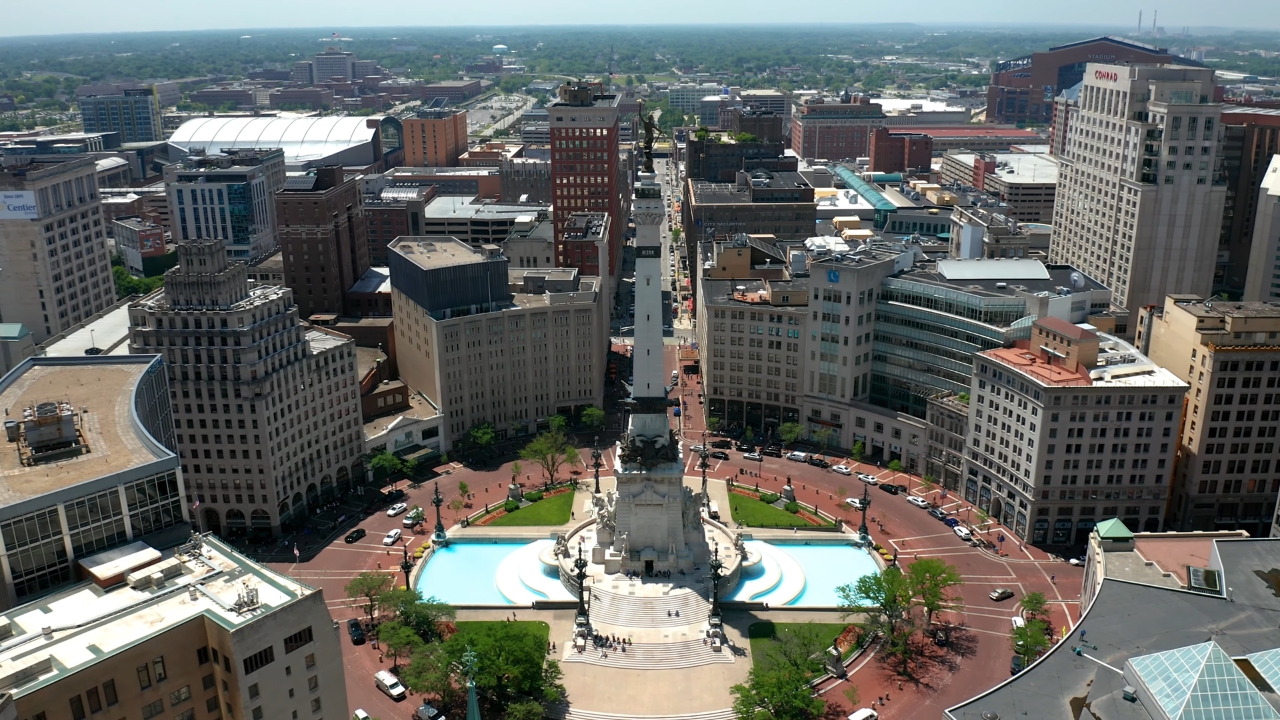
Ranked first by every cited count, Indianapolis sets the scale for the entire Indiana population ranking in 2026. As the state capital and largest city, it is the only Indiana city approaching 900,000 residents. Its 2026 estimate of 893,619 puts it far ahead of Fort Wayne, which sits at 277,607.
That gap makes Indianapolis more than just No. 1. It makes the city a category of its own in Indiana population totals.
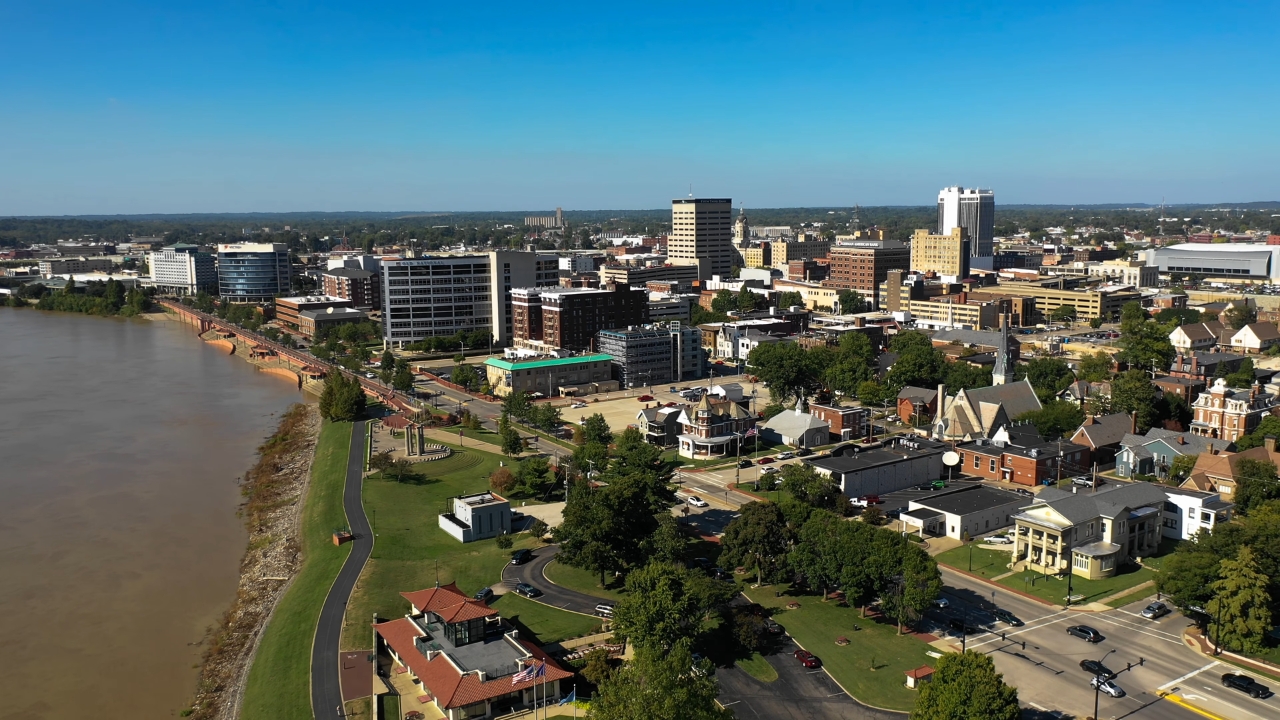
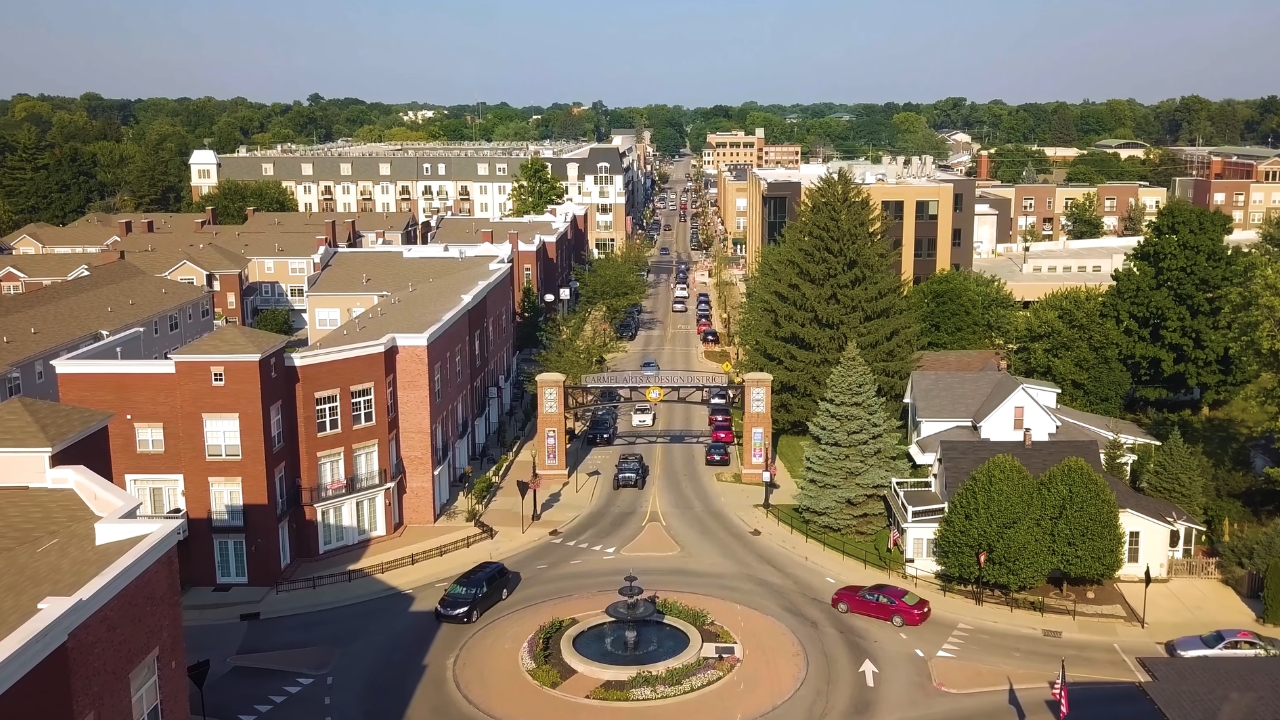
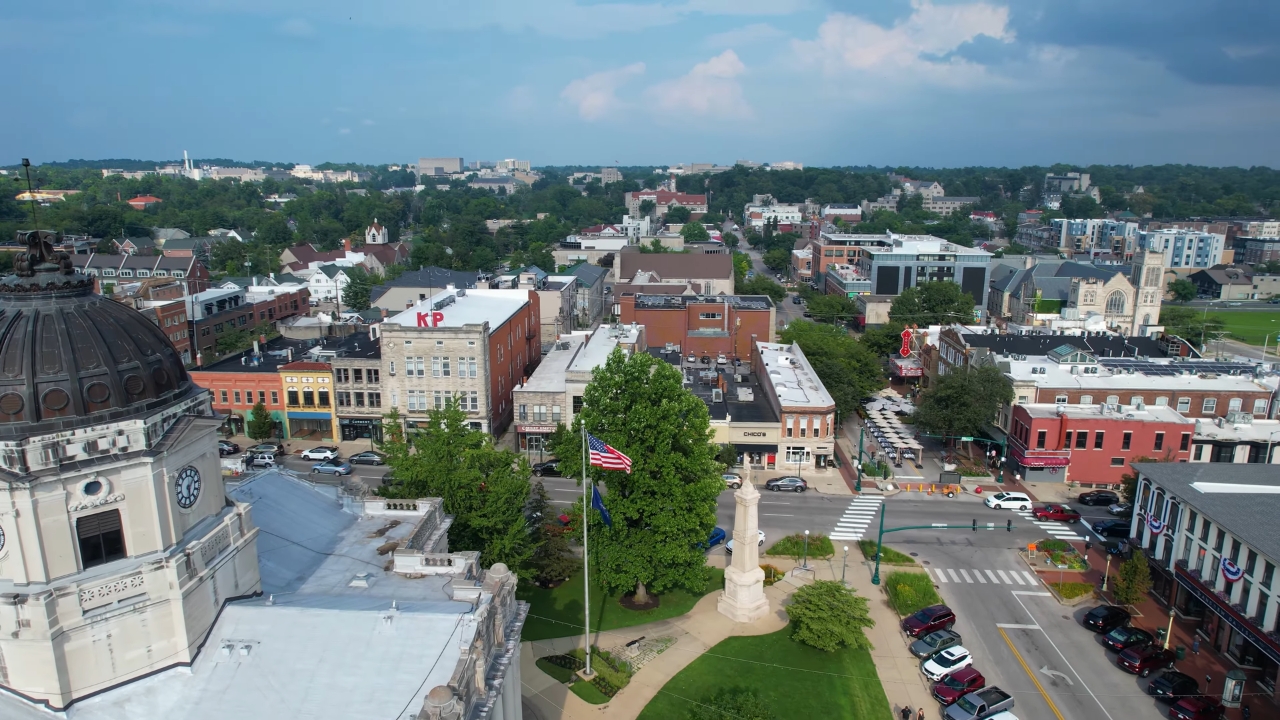
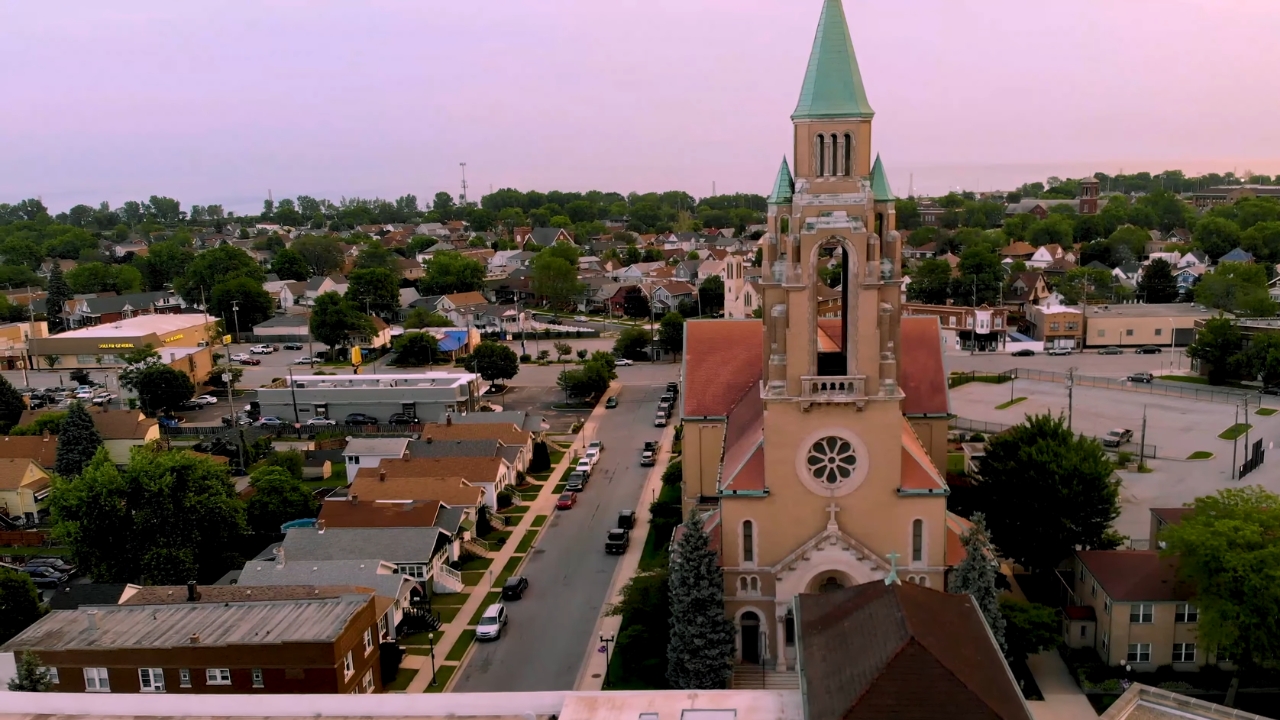
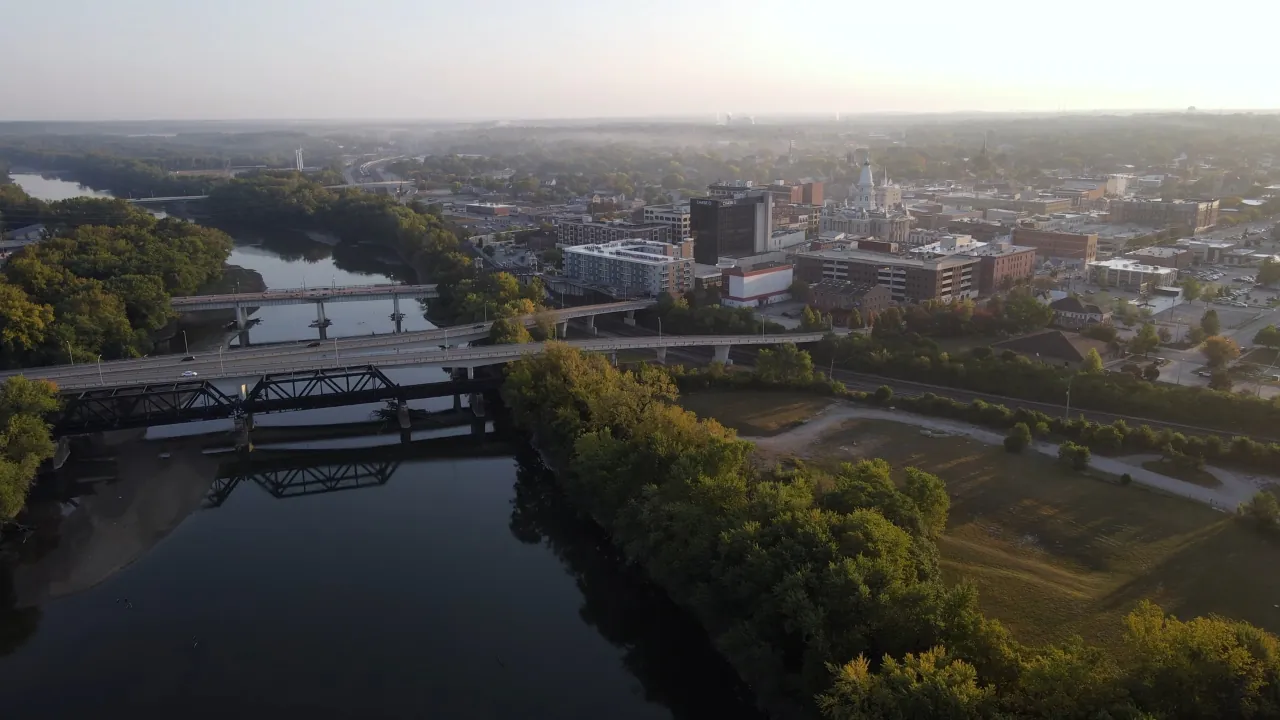
Large geographic size also matters. Indianapolis covers 361 square miles, giving it far more room than most other cities in the state. Even with that broad footprint, its density of 2,475 people per square mile keeps it firmly urban by Indiana standards. Another ranking also places Indianapolis at No. 1, unchanged from last year. That count lists the city at 885,860 residents today, compared with 809,804 in 2010. Growth since 2010 comes in at 9.4%, which adds another layer to its long-running lead. Additional cited data gives Indianapolis 887,642 residents, again placing it first statewide. Across all cited figures, the conclusion is consistent. No other Indiana city comes close to Indianapolis in total population, and no near-term challenger appears in the data. Measured against Indianapolis, Fort Wayne shows how steep Indiana’s city-size drop-off is after the top spot. Indianapolis has 893,619 residents in the 2026 estimate, while Fort Wayne has 277,607. Even so, Fort Wayne’s lead over third-place Evansville is also significant, with Evansville listed at 114,404 residents. Fort Wayne’s density of 2,484 people per square mile is slightly higher than Indianapolis’ 2,475, despite Fort Wayne covering much less land. That gives the city a solid urban profile while keeping it firmly in second place statewide. Another ranking also places Fort Wayne at No. 2, unchanged versus last year. Its current population in that county is 268,589, compared with 253,721 in 2010. Growth since 2010 is 5.9%, which supports its reputation as a stable and growing Indiana population center. Third place goes to Evansville, which leads southern Indiana with an estimated 114,404 residents in 2026. Its statewide rank is important because it gives the southern part of the state a major population anchor below Indianapolis and Fort Wayne. Population movement has been slightly negative, but Evansville’s size still keeps it in the top three. A 2025 estimate lists 114,899 residents, followed by 114,404 in 2026. That equals a -0.43% annual change. Evansville’s density of 2,416 people per square mile places it near Indianapolis and Fort Wayne in density, even though its total population is much lower. Its 47-square-mile area gives it a more compact footprint than Indiana’s two largest cities. Another ranking also keeps Evansville at No. 3, unchanged from last year. That count lists 116,116 current residents, down from 118,186 in 2010. Change since 2010 is -1.8%, showing that Evansville has slipped slightly while holding a strong statewide rank. In fourth place, Fishers represents one of the biggest suburban shifts in the Indiana population picture. Located in the Indianapolis metro area, it has climbed into the top five with an estimated 106,228 residents in 2026. Growth is central to Fisher’s position. A 2025 estimate lists 105,107 residents, and the 2026 estimate rises to 106,228. That equals a 1.07% annual change, one of the strongest growth rates among the largest Indiana cities. Its density of 2,905 people per square mile is higher than that of Indianapolis, Fort Wayne, Evansville, Carmel, South Bend, Noblesville, and Lafayette. That makes Fishers not only large, but also relatively dense for a suburban city. Ranking differences make Fishers especially notable. One 2026 list places it at No. 4, while another top 10 does not include it. That gap makes Fishers one of the clearest examples of how Indiana population rankings can change based on data timing and classification choices. At No. 5, Carmel adds another Indianapolis-area suburb to the upper tier of Indiana population leaders. Its 2026 estimate is 105,455 residents, placing it just behind Fishers and ahead of South Bend. Carmel’s long-term growth is one of the strongest in the top 10. A 2025 estimate lists 104,530 residents, and the 2026 estimate reaches 105,455. Annual change is 0.88%, which signals continued growth after a much larger long-term increase since 2010. Its growth since 2010, at 32.4%, is far stronger than that of Indianapolis, Fort Wayne, Evansville, South Bend, Bloomington, Hammond, and Lafayette. Carmel’s place near the top shows how much Indianapolis-area suburbs now shape Indiana population trends. Along with Fishers and Noblesville, it has become one of the state’s most important large-city growth stories. Sixth place belongs to South Bend, a major northern Indiana city with an estimated 103,894 residents in 2026. Long known as one of Indiana’s key urban centers, South Bend now sits in a tighter group with Fishers and Carmel. A narrow gap separates several cities in this range. Fishers is listed at 106,228, Carmel at 105,455, and South Bend at 103,894. That means a difference of fewer than 2,400 residents separates fourth place and sixth place in the 2026 estimate. South Bend’s density of 2,480 people per square mile is close to that of Indianapolis and Fort Wayne. Its total population, though, places it just below the fast-growing Indianapolis-area suburbs that have moved up in the Indiana population ranking. That alternate count lists a current population of 103,085, compared with 102,073 in 2010. Growth since 2010 is 1.0%, meaning South Bend has stayed relatively stable while suburban cities have grown faster. Seventh-place Bloomington has an estimated 79,909 residents in 2026. Known for its university-centered economy and role as a regional hub, it is smaller in total population than South Bend, Carmel, and Fishers, but it has the highest density in the top 10. Density is where Bloomington sets itself apart in the Indiana population ranking. It’s 3,437 people per square mile, placing it above every other city in the 2026 top 10. That high density is partly tied to its compact area of 23 square miles. Its 2010 population was 78,490, giving it 2.0% growth since 2010. Bloomington’s total population is not growing quickly, but its compact footprint gives it a dense city profile. In the 2026 top 10, no other Indiana city has a higher people-per-square-mile figure. At No. 8, Noblesville is one of the strongest growth stories in the Indiana population ranking. Located in Hamilton County, it has an estimated 77,777 residents in 2026 and continues to climb as part of the Indianapolis-area suburban ring. Recent growth is strong. A 2025 estimate lists 76,508 residents, followed by 77,777 in 2026. That equals a 1.66% annual change, higher than Indianapolis, Fort Wayne, Evansville, Fishers, Carmel, South Bend, Bloomington, Hammond, and Lafayette. Noblesville’s rise adds to the broader Indianapolis-area suburban pattern. Fishers, Carmel, and Noblesville together show how much Hamilton County and nearby suburbs now influence Indiana population totals. Ninth-place Hammond has an estimated 75,167 residents in 2026. Located in northwest Indiana near Chicago, it is one of the densest large cities in the state, even as its population trend points downward. Hammond’s 2025 estimate is 75,598, followed by 75,167 in 2026. That equals a -0.57% annual change. Another ranking lists a current population of 76,768, compared with 81,312 in 2010, which equals a -5.6% change since 2010. Even with a decline, Hammond holds a top-10 position because its base population is still large. Its negative trend, however, contrasts sharply with fast-growing suburban cities such as Fishers, Carmel, and Noblesville. At No. 10, Lafayette closes the main 2026 Indiana population list with an estimated 72,254 residents. As a major western Indiana city, it holds a steady top-tier position and sits ahead of several close contenders. A 2025 estimate lists Lafayette at 72,005, followed by 72,254 in 2026. Annual change is 0.35%, giving the city modest positive growth. Its density is 2,379 people per square mile across 30 square miles. Growth since 2010 is 7.6%, a stronger long-term increase than Fort Wayne, Evansville, South Bend, Bloomington, and Hammond. Lafayette’s place at No. 10 is not completely safe, though. Westfield is listed at No. 11 with 70,978 residents and a 5.96% annual increase, making it a serious future challenger. Ranking differences matter because Indiana population lists do not always use the same timing, inputs, or city classifications. Fishers and Gary create the clearest split. One 2026 top 10 includes Fishers but not Gary, while another top 10 includes Gary but not Fishers. In the main 2026 estimate, Gary sits behind Westfield and Greenwood. That puts it outside the top 10, even though another ranking still includes it. South Bend is another notable case. One ranking places it at No. 4, while the main 2026 estimate places it at No. 6. Bloomington, Hammond, Noblesville, and Lafayette appear in both top-10 lists, but their order varies. Data timing, measurement method, and classification choices likely explain most of these differences. For readers comparing Indiana population rankings, exact rank matters less than the larger pattern: Indianapolis dominates, Fort Wayne is firmly second, and suburban cities are moving up. Growth patterns show a split between dominant large cities, rising suburbs, and older cities with slower or negative movement. Indianapolis leads by an enormous margin, with a 2026 estimate of 893,619. Fort Wayne is second at 277,607, giving Indianapolis more than three times Fort Wayne’s population. Hamilton County and the Indianapolis metro area are major parts of the story. Carmel, Fishers, and Noblesville, Indiana, have been ranked in the top 20 cities to live in for 2026-2027 by U.S. News & World Report, with Carmel and Fishers taking the top spots. https://t.co/6Q4QVHw545 pic.twitter.com/rpEL7QG2CS — WISH-TV News (@WISHNews8) May 19, 2026 Fishers, Carmel, and Noblesville all rank in the top 10, and each shows either solid annual growth or strong long-term growth. Westfield adds another suburban signal, ranking No. 11 with 70,978 residents and a 5.96% annual increase. Older cities show more mixed results. Evansville has a -0.43% annual change and a -1.8% change since 2010 in another ranking. Hammond has a -0.57% annual change and a -5.6% change since 2010. Gary has a -19.3% change since 2010 in another ranking and sits outside the main 2026 top 10. Overall, Indiana population trends in 2026 show two forces at once. Long-established cities still hold major positions, but suburban expansion around Indianapolis is changing the order near the middle and lower end of the top 10. Indiana’s population order in 2026 is led by Indianapolis, followed by Fort Wayne and a mix of regional anchors and fast-growing suburbs. Indianapolis is still the state’s clear giant. Fort Wayne holds a secure second place. Fishers, Carmel, and Noblesville show the growing importance of Indianapolis-area suburbs. Evansville, South Bend, Bloomington, Hammond, and Lafayette continue to rank as important regional centers.
2. Fort Wayne is the Strong No. 2
Second place in the Indiana population ranking belongs to Fort Wayne, a major northeast Indiana hub with an estimated 277,607 residents in 2026. Its position is secure because it sits far ahead of every city below it, even though Indianapolis is far larger.
3. Evansville is Southern Indiana’s Largest City
4. Fishers is the Fast-Growing Suburban Power
5. Carmel is an Affluent Indianapolis-Area Growth Leader
6. South Bend is Northern Indiana’s Historic Anchor
7. Bloomington is a College-Town Population Center
8. Noblesville is Hamilton County’s Rising City
9. Hammond is Northwest Indiana’s Older Industrial City
10. Lafayette is Rounding Out the Top 10
Ranking Differences Worth Noting
Growth Trends and Key Takeaways
Summary