

In many Indiana communities, multiple languages are heard in everyday settings such as schools, hospitals, and workplaces.
Recent data shows that more than 10 percent of residents speak a language other than English at home, reflecting steady demographic change across the state .
This article examines the most commonly spoken languages in Indiana today, along with the factors shaping this linguistic diversity and its impact on public services and communication.
Most Common Languages Spoken in Indiana Today
According to the U.S. Census Bureau, Spanish is the most commonly spoken language in Indiana after English, with hundreds of thousands of residents using it at home. It represents the largest share of non-English speakers and continues to grow due to long-term demographic trends.
Several other languages are also widely spoken across the state:
German

- One of the most widely spoken non-English languages in Indiana
- Reflects historical settlement patterns and continued community presence
Pennsylvania Dutch
- Common in Amish and Mennonite communities
- Primarily spoken in rural regions of the state
Chinese (Mandarin and Cantonese)
- Represents a significant and growing language group
- Concentrated in urban areas and academic settings
Arabic and French
- Supported by established communities
- Continued presence linked to ongoing migration
Hindi and other South Asian languages
- Growing in recent years
- Common in professional sectors such as technology and healthcare
West African languages (Yoruba, Twi, Igbo)
- Represent emerging and expanding communities
- Reflect newer migration patterns
Tagalog (Filipino)

- Widely spoken within Filipino communities
- Strong presence in healthcare and service industries
Korean
- Maintains a steady presence
- Common in business and education settings
Indiana’s Language Landscape at a Glance
More than half a million Indiana residents use a language other than English at home, according to recent estimates from the U.S. Census Bureau. Spanish accounts for the largest share, followed by a mix of European, Asian, and African languages that reflect both long-standing communities and newer migration patterns.
A portion of this population has limited English proficiency, which can affect communication in healthcare, education, and public services. This has led to a growing need for language support across multiple sectors.
Language distribution also varies by location. Urban centers such as Indianapolis and Fort Wayne tend to have more diverse language profiles, while rural areas often reflect historical settlement patterns, including communities where heritage languages remain in regular use.
These patterns align with broader demographic shifts seen across the United States, where linguistic diversity continues to expand alongside changes in population and workforce composition.
Key Factors Shaping Language Use in Indiana
Several factors influence the range of languages spoken across Indiana. Historical settlement patterns, recent immigration, and economic activity all contribute to how languages are distributed across the state. These elements shape both long-established language communities and newer linguistic trends.
Main Factors Influencing Language Use

| Factor | Description | Example Impact |
| Historical settlement | Early European immigrant communities established lasting linguistic roots | Continued use of German and related dialects |
| Recent immigration | New arrivals from Latin America, Asia, and Africa | Growth of Spanish, Asian, and African languages |
| Urban concentration | Newcomers often settle in cities with more opportunities | Higher linguistic diversity in urban areas |
| Economic activity | Key industries attract international workers | Multilingual workplaces in healthcare and industry |
| Higher education | Universities draw international students and faculty | Increased use of global languages in academic areas |
Why Language Diversity Matters
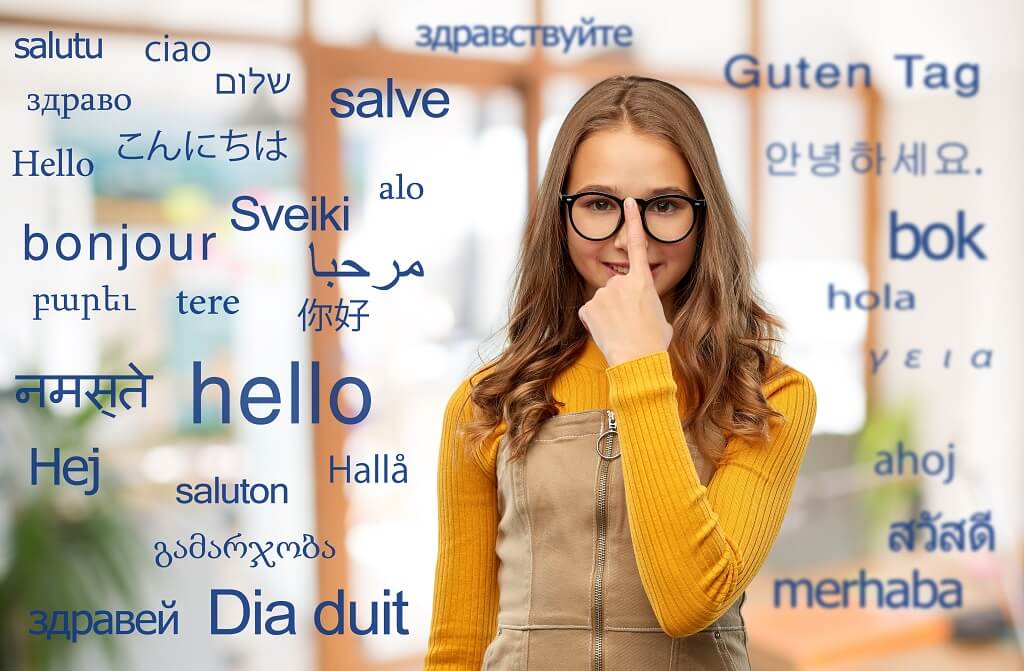
Language diversity has practical implications across many sectors in Indiana. Healthcare providers, schools, legal institutions, and public agencies regularly interact with individuals who speak a wide range of languages. Clear communication in these settings supports accurate information exchange and helps reduce misunderstandings.
Businesses also benefit from multilingual communication. Companies that serve diverse communities are better positioned to reach customers, build trust, and expand their services. This is particularly relevant in industries such as healthcare, retail, and public services, where effective interaction is essential.
As a result, demand for professional language support continues to grow. Organizations across sectors rely on trusted providers such as Elmura Linguistics translation experts to ensure accurate and culturally appropriate communication.
Language Access Challenges
A portion of Indiana residents has limited English proficiency, which can create barriers in everyday interactions. Communication gaps may affect access to healthcare, legal services, education, and employment opportunities. Misunderstandings in these areas can lead to delays, errors, or reduced quality of service.
Public institutions and private organizations increasingly recognize the importance of language access. Providing interpretation and translation support helps ensure that individuals can understand critical information and make informed decisions.
Common Language Access Challenges
| Area | Challenge Description | Potential Impact |
| Healthcare | Difficulty understanding medical instructions | Misdiagnosis, treatment errors |
| Legal services | Limited understanding of legal rights or procedures | Unfair outcomes, delays |
| Education | Barriers in communication between schools and families | Lower student engagement and performance |
| Employment | Language gaps in training and workplace communication | Reduced job opportunities, safety risks |
| Public services | Limited access to government information | Missed benefits or services |
Future Trends: Indiana’s Multilingual Growth
Language diversity in Indiana is expected to continue expanding in the coming years. Population trends show steady growth among Hispanic, Asian, and African communities, which will further increase the range of languages spoken across the state.
Younger generations are also contributing to this shift, with more children growing up in multilingual households. This is likely to influence education systems, workforce skills, and community engagement in the long term.
Economic factors will remain important. Industries that rely on international talent and global connections are expected to support continued linguistic diversity, particularly in urban areas.
As these trends develop, demand for language services and multilingual communication will continue to rise across both public and private sectors.
A Changing Linguistic Landscape

Indiana’s language profile reflects both its historical roots and ongoing demographic changes. Spanish remains the most widely spoken non-English language, while a broad range of European, Asian, and African languages continue to shape communities across the state.
This diversity influences how institutions, businesses, and public services operate. Clear communication has become an essential part of serving a multilingual population and supporting access to key resources.
As Indiana’s population evolves, language diversity will remain a defining feature of its social and economic landscape.