
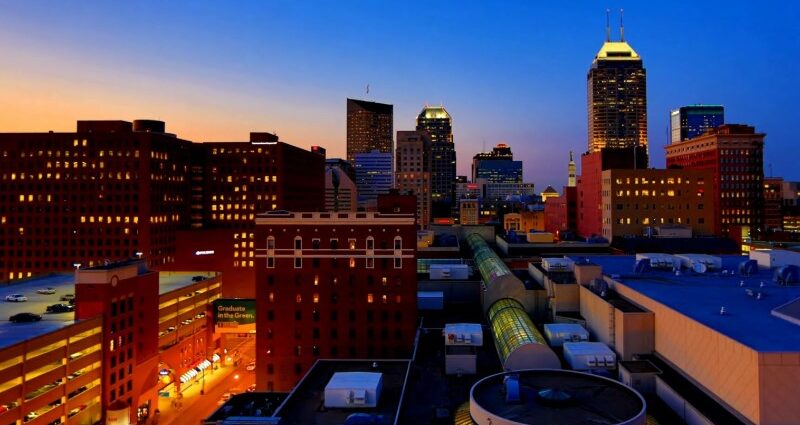
Indianapolis offers a compact but unusually diverse mix of major sports landmarks, nationally respected museums, walkable cultural districts, and a food scene that reflects both Midwestern roots and modern experimentation.
The top things to do in Indianapolis include exploring its downtown canal and White River State Park, visiting world-class museums like the Children’s Museum and Newfields, experiencing the Indianapolis Motor Speedway, and spending time in neighborhoods such as Mass Ave and Fountain Square that anchor the city’s dining and arts culture.
1. Indianapolis Motor Speedway
The Indianapolis Motor Speedway is not just a racetrack but a defining institution of the city and one of the most historically important sports venues in the United States.
Opened in 1909, it hosts the Indianapolis 500, first run in 1911, which remains the largest single-day sporting event in the world by attendance, with race-day crowds regularly exceeding 300,000.
Even outside race weekends, the track operates year-round through the Indianapolis Motor Speedway Museum, which houses winning cars, racing suits, and rotating exhibitions that contextualize the role of motorsports in American industry and culture.
Track tours allow visitors to ride a bus around the 2.5-mile oval and stand at the Yard of Bricks start-finish line, a tangible link to more than a century of racing history.
| Detail | Information |
| Year opened | 1909 |
| Track length | 2.5 miles |
| Signature event | Indianapolis 500 |
| Museum status | Open year-round |
2. The Children’s Museum of Indianapolis
The Children’s Museum of Indianapolis is the largest children’s museum in the world and a primary reason families plan trips to the city.
The museum spans over 470,000 square feet across multiple floors and combines permanent exhibits on dinosaurs, space exploration, American history, and global cultures with rotating traveling exhibitions.
It attracts more than one million visitors annually and is consistently ranked among the top family attractions in the United States.
What distinguishes it is the depth of its educational design: exhibits are built with input from educators and researchers, making the experience substantive rather than purely entertaining for children and adults alike.
| Metric | Value |
| Annual visitors | ~1 million |
| Size | 470,000+ sq ft |
| Founded | 1925 |
| Focus areas | Science, history, culture |
3. White River State Park
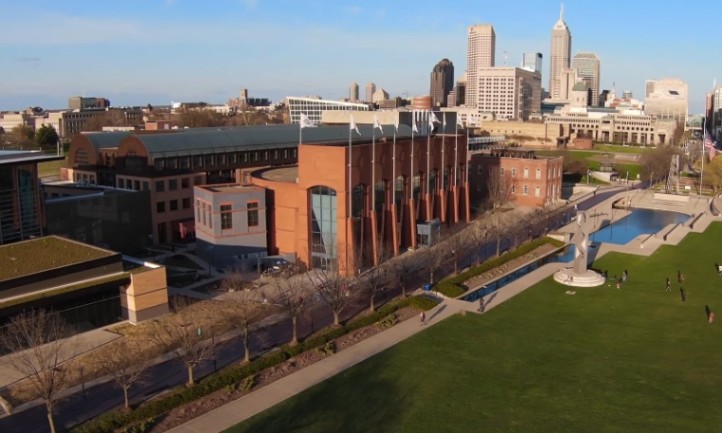
White River State Park functions as Indianapolis’s central green corridor and cultural district. Stretching across 250 acres west of downtown, it integrates outdoor recreation with major attractions, including the Indianapolis Zoo, NCAA Hall of Champions, and multiple museums.
The park’s trails connect directly to the downtown canal and broader city bike network, making it a practical base for visitors who want to combine sightseeing with walking or cycling.
Unlike many urban parks, White River State Park was designed from the outset as a mixed-use cultural space, and its layout reflects Indianapolis’s broader emphasis on accessibility and centralized planning.
4. Downtown Canal Walk and Cultural Trail
The Downtown Canal Walk is a three-mile loop originally developed as part of the city’s 1980s urban revitalization strategy.
Today, it anchors the Indianapolis Cultural Trail, an eight-mile protected pathway connecting neighborhoods, museums, public art installations, and food districts.
The canal area supports paddle boats, public sculptures, and landscaped walking paths that remain active throughout most of the year.
It is one of the clearest examples of Indianapolis’s investment in pedestrian-friendly infrastructure, a factor often cited in urban planning case studies about mid-sized American cities.
| Feature | Details |
| Canal length | ~3 miles |
| Cultural Trail total | 8 miles |
| Opened | 1999 |
| Uses | Walking, biking, recreation |
5. Newfields
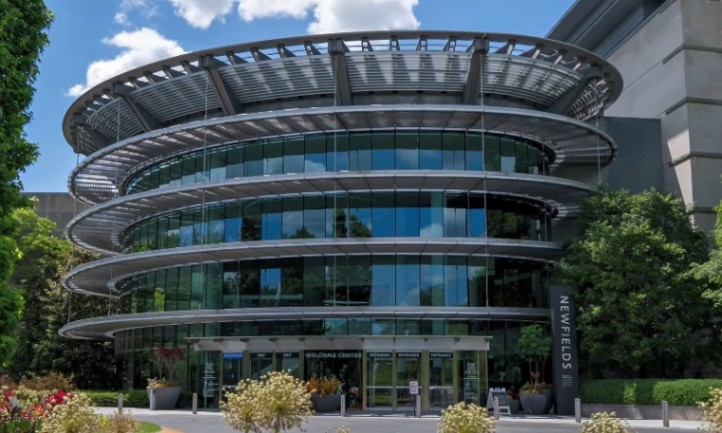
Newfields is a 152-acre art and nature campus anchored by the Indianapolis Museum of Art, one of the oldest art museums in the Midwest, founded in 1883.
The collection includes over 54,000 works ranging from European painting to contemporary design, while the surrounding grounds feature formal gardens, outdoor sculptures, and seasonal installations such as Winterlights.
Newfields reflects Indianapolis’s long-standing civic investment in public art and education, funded historically through a mix of private philanthropy and municipal support.
| Component | Description |
| Museum founding | 1883 |
| Campus size | 152 acres |
| Collection size | 54,000+ works |
| Seasonal programs | Year-round |
6. Massachusetts Avenue
Massachusetts Avenue, commonly called Mass Ave, is Indianapolis’s most concentrated arts and dining corridor. Developed along a historic diagonal street plan, the district hosts theaters, independent galleries, and a dense cluster of locally owned restaurants and bars.
Its economic importance is measurable: Mass Ave consistently ranks among the city’s highest-grossing commercial streets, and its redevelopment is often cited as a model for adaptive reuse in Midwestern downtowns.
The area is especially active in the evening, making it a central part of the city’s nightlife without being dominated by chain venues.
7. Fountain Square
View this post on Instagram
Fountain Square represents a different side of Indianapolis, rooted in immigrant history and later revitalized through grassroots arts initiatives.
Once a declining commercial area, it has become a hub for live music, independent cinemas, and globally influenced restaurants.
The neighborhood’s ongoing renewal illustrates how Indianapolis balances preservation with reinvention, relying less on large-scale redevelopment and more on incremental cultural investment.
8. Indianapolis Zoo
Located within White River State Park, the Indianapolis Zoo combines a traditional zoological park with botanical gardens and an aquarium.
Accredited by the Association of Zoos and Aquariums, it emphasizes conservation education, particularly around marine mammals and endangered species.
The zoo attracts roughly 1.2 million visitors annually and plays a measurable role in the city’s tourism economy, especially during summer months and school breaks.
| Zoo Data | Value |
| Annual visitors | ~1.2 million |
| Accreditation | AZA |
| Major exhibits | Dolphin Pavilion, Plains, Oceans |
| Location | White River State Park |
9. Indiana State Museum
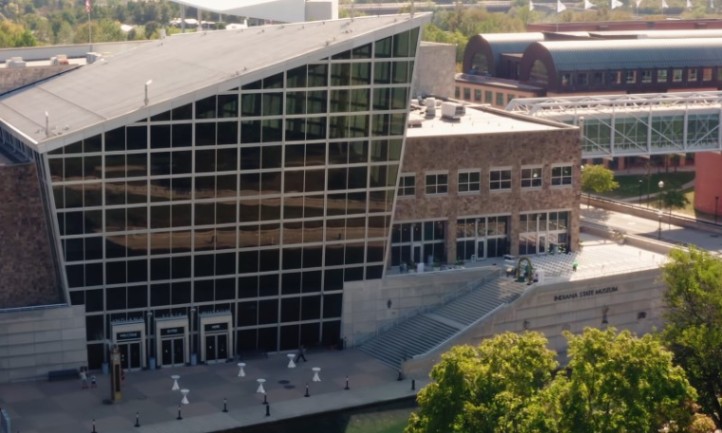
The Indiana State Museum provides a structured overview of the state’s natural history, technology, and cultural development.
Its galleries move chronologically from prehistoric Indiana through industrialization and into modern science, using artifacts rather than abstract storytelling.
Situated along the canal, the museum also functions as a practical introduction to the broader region for visitors who want context beyond Indianapolis itself.
10. Indianapolis Food Scene and Local Specialties
Indianapolis’s food culture reflects both Midwestern tradition and recent diversification. The city is known for pork tenderloin sandwiches, a regional staple, but its dining landscape now includes strong representations of Mexican, West African, and Southeast Asian cuisines.
The growth of local breweries and food halls over the past decade parallels broader national trends but remains grounded in locally owned operations rather than national chains.
For visitors, eating in Indianapolis is less about destination restaurants and more about understanding how a mid-sized American city expresses its identity through food.
| Food Trend | Local Context |
| Signature dish | Pork tenderloin |
| International cuisines | Mexican, Burmese, West African |
| Brewery growth | Post-2010 expansion |
| Market culture | Strong farmers markets |