
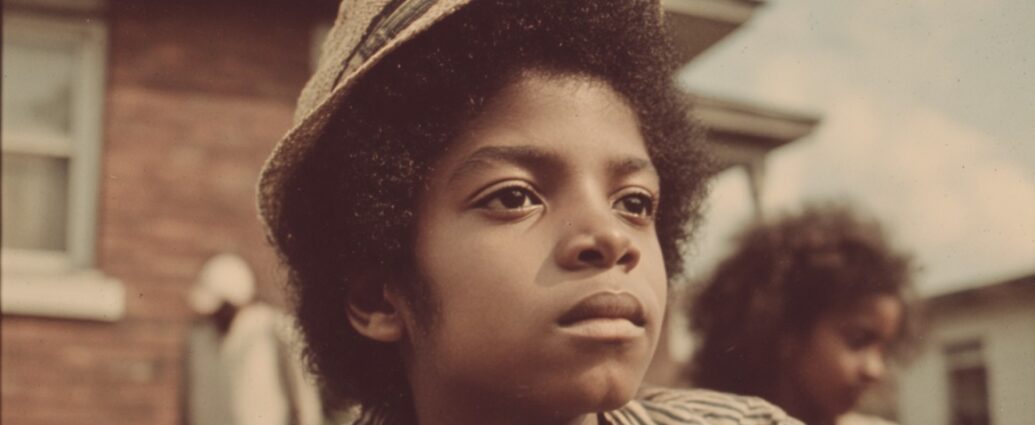
Michael Jackson, widely known as the King of Pop, entered the world on August 29, 1958, in Gary, Indiana. Early years unfolded inside a modest Midwestern steel town marked by factory work, economic strain, and close family ties.
Childhood experiences inside a small house on Jackson Street shaped discipline, creativity, and ambition at an unusually young age.
That address later became a gathering place for admirers who wished to see where greatness first took shape.
Now, we will talk about Michael Jackson and his childhood in Gary, Indiana.
A Humble Beginning
Michael arrived as the seventh of nine surviving children, with ten born in total after a twin died shortly after birth.
Family life unfolded inside a two-bedroom home placed in a working-class Black neighborhood of Gary, Indiana. Crowded conditions shaped daily habits, with limited personal space and constant noise shaping early awareness.
Order mattered inside that household, and routine governed nearly every hour.
- two bedrooms shared by a large family
- strict schedules tied to work, school, and rehearsals
- limited privacy that encouraged collective discipline
@indiana_with_hannah RIP MJ! You can visit the outside of Michael Jackson’s childhood home in Gary, Indiana. #michaeljackson #mj #kingofpop #gary #indiana #healtheworld #fyp #jackson5 #janetjackson ♬ Heal the World – Michael Jackson
Joseph Joe Jackson worked demanding shifts as a steelworker and crane operator at U.S. Steel. Ambitions outside factory labor followed him home, tied to boxing and music.
Katherine Jackson handled household responsibilities while serving as an emotional and creative anchor.
Musical ability defined her role as a singer and pianist, while religious faith defined family boundaries. Jehovah’s Witness beliefs guided conduct and restricted celebrations, eliminating Christmas and birthdays.
Michael later reflected on sacrifices during the 1993 Grammy Legend Award ceremony.
“My childhood was taken away from me… It was not a normal childhood, nor the normal pleasures of childhood… But as an awful price.”
Music in the Bloodline
Music filled nearly every moment inside the Jackson household. Living room furniture is often moved aside to create open space for dancing and rehearsing. Creative games doubled as informal training, allowing rhythm and coordination to develop naturally.
Songwriting contests took place during chores, even while washing dishes, turning routine work into musical exercise.
- Daily exposure to music followed consistent patterns
- group singing sessions led by Katherine
- repetition of gospel and folk melodies
- rhythm practice disguised as play
Joe Jackson owned a guitar that children were forbidden to touch. Tito eventually broke a string while experimenting, an incident that revealed unexpected skill and shifted family direction.
Katherine reinforced that discovery through encouragement and structured practice.
Spiritual songs strengthened vocal control, while repetition sharpened timing and harmony.
One recollection captured household energy clearly.
“We would take the furniture out of the living room and dance. We would have a songwriting competition while we washed the dishes.”
Observers later noticed Michael separating himself early through pitch accuracy, emotional delivery, and instinctive timing despite his young age.
The Formation of The Jackson 5
The discovery of Tito’s guitar ability led Joe Jackson to organize a family group called The Jackson Brothers in 1963. Early appearances focused on local venues, community events, and talent shows. Practice intensified as expectations rose.
By 1966, Michael and Marlon joined older brothers Jackie, Tito, and Jermaine, forming a lineup known as The Jackson 5.
- Group development followed a clear progression
- local performances that tested crowd response
- expanded rehearsal schedules under Joe’s supervision
- refined choreography paired with vocal precision
Michael entered the group at age eight and quickly became its centerpiece. Joe assumed full control as manager and enforced demanding rehearsal routines lasting several hours each day. Errors triggered immediate correction, and standards allowed little flexibility.
Michael later described early performance environments with blunt honesty.
“I grew up onstage. I grew up in nightclubs… I saw fights, striptease girls, people throwing up…”
Momentum surged in 1967 after a victory at amateur night at the Apollo Theater in Harlem, a moment that pushed national attention toward the group.
The Complex Role of Joe Jackson
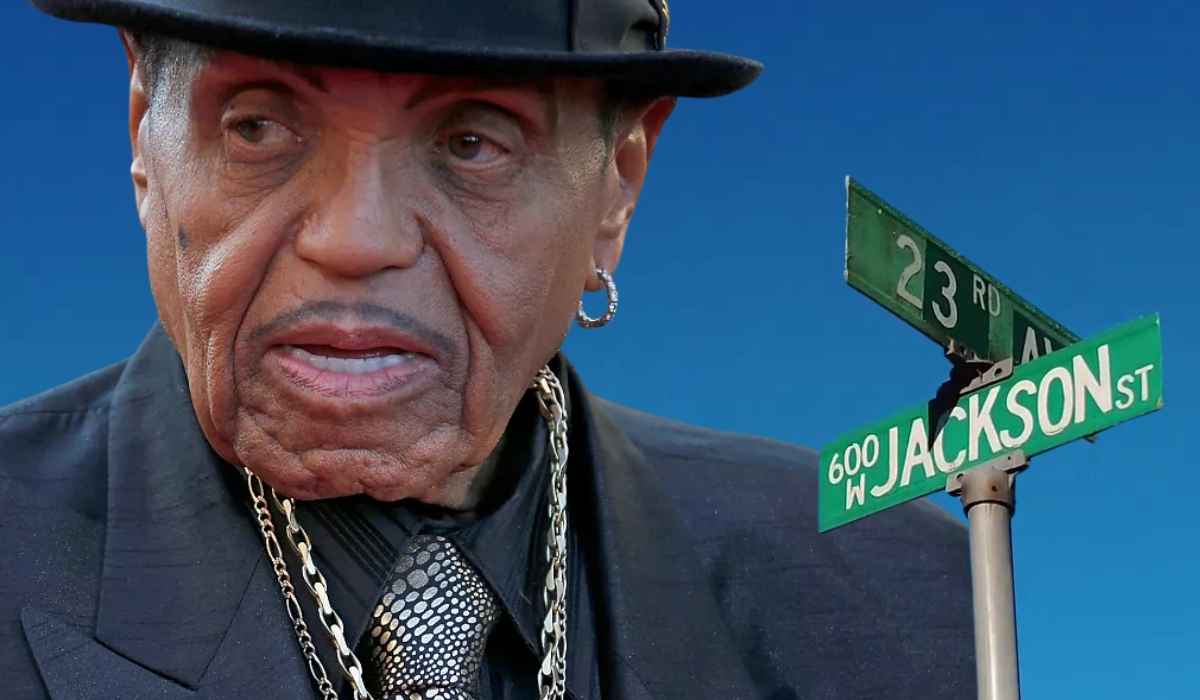
Joe Jackson controlled rehearsals through discipline and emotional distance. Children addressed him as Joseph rather than dad, reinforcing authority.
Fear shaped daily interaction, particularly during practice sessions. Michael later shared memories revealing lasting emotional strain.
“I was so afraid of my father that it would cause me to vomit when I saw him.”
Another scene remained vivid.
“I remember my mother screaming, ‘Joe, you’re gonna kill him!’”
- rehearsals monitored closely
- punishment tied to mistakes
- constant pressure to perform perfectly
Public reaction to Joe’s methods remained divided over decades. Supporters pointed to results, while critics focused on emotional harm. Joe defended his actions years later by pointing toward success, stating the following:
“Look what I came out with… kids that everybody loved all over the world.”
LaToya Jackson publicly accused her father of abuse during one period, later withdrawing those claims. Family history continued to reflect conflict between achievement and emotional cost.
Life as a Child Star
Performance began for Michael at age five, earlier than most children enter structured education.
Responsibility followed quickly, and leadership came naturally. By age eight, he served as lead singer of The Jackson 5.
Fame expanded rapidly and brought adult expectations into childhood.
- Motown Records contract signed in 1969
- national television appearances
- chart-topping singles dominating radio
Motown transformed Michael into a national figure at only eleven years old.
Songs such as “I Want You Back,” “ABC,” and “I’ll Be There” dominated popular music. Pressure intensified as schedules tightened, leaving little space for emotional growth.
Reflections shared during the 1993 Grammy speech revealed mixed feelings:
“There were no birthdays, no Christmas… but I wouldn’t change it.”
His memoir Moonwalk, published in 1988, described nightclub performances during childhood and exposure to adult behavior that clashed sharply with innocence.
Moving Gary to a Global Stage
Motown’s success prompted relocation to Los Angeles in 1969, reshaping daily life and professional access. Career foundations already existed through earlier work tied to Steeltown Records in Gary.
- signing with Steeltown Records
- recording of “Big Boy” in 1967
- guidance provided by producer Gordon Keith
Keith later recalled immediate recognition of Michael’s ability, saying, “He was super when I first met him… I definitely knew that about him.” Early recordings and performances confirmed star potential well before national exposure.
Momentum accelerated as broader audiences encountered Michael’s voice, stage presence, and emotional delivery. Recognition followed quickly and consistently.
@djkceaser #WeAlwaysOverThere come on You know I had to Pull UP and Rock Live in front of the Home of the Most Iconic Musical Family in History! The First DJ to pull up and Party Live from 2300 Jackson Street in Gary, Indiana Home of one of the Best and Most Influential Entertainers in history #MichaelJackson. I met Him When Inwas a teenager so it’s an Honor to do this. If you ever need motivation Just know they Came from Gary, Indiana so we can do it to. Have you ever been to the Jackson House? Huge Love to #PatJohnson ♬ original sound – djkceaser
Gary’s Pride and Ongoing Memory
News of Michael’s death on June 25, 2009, drew crowds to his childhood home in Gary.
Fans gathered outside the small white house on Jackson Street, placing teddy bears, candles, flowers, and handwritten notes. Prayer circles formed as shared grief united strangers.
- Community response reflected a deep connection
- spontaneous memorials outside the home
- residents gathering for comfort and prayer
- visitors traveling long distances to pay respects
Local resident Wyatt Puryear explained his need to attend, saying
“I had to come here… I literally was going to break down if I sat in my house.”
Michael Jackson last visited Gary in June 2003 and received a hero’s welcome that filled streets with supporters.
Mayor Rudy Clay later described Michael as humble and filled with love during that visit.
Calls for statues or a museum continue as residents seek lasting recognition of a figure who shaped global music history while beginning life in their city.
View this post on Instagram
Closing Thoughts
Michael Jackson had a rise that began inside a cramped house in a steel town defined by hard labor and strict values.
Talent, relentless discipline, and early sacrifice shaped a performer who changed popular music forever. Gary played a lasting role in shaping his character and drive.
Physical distance never erased emotional ties, and echoes of those early years continued to surface through music, memory, and influence.