
Indiana rarely appears at the top of American travel lists, yet it offers one of the most diverse and accessible travel experiences in the Midwest. The state combines major sports culture, historic cities, scenic state parks, lakefront beaches, and one of the most famous motor racing events in the world.
Because many travelers focus on destinations like Illinois, Michigan, or Ohio, Indiana often goes overlooked. In reality, it provides a balanced mix of outdoor recreation, cultural attractions, and affordable travel opportunities that make it an excellent destination for road trips and weekend getaways.
Tourism data from the Indiana Destination Development Corporation shows that the state receives more than 80 million visitors annually, generating over $14 billion in economic impact. Despite these numbers, Indiana remains less crowded and more affordable than many other Midwest destinations, making it attractive for travelers who want authentic experiences without heavy tourist congestion.
A State Designed for Easy Road Trips
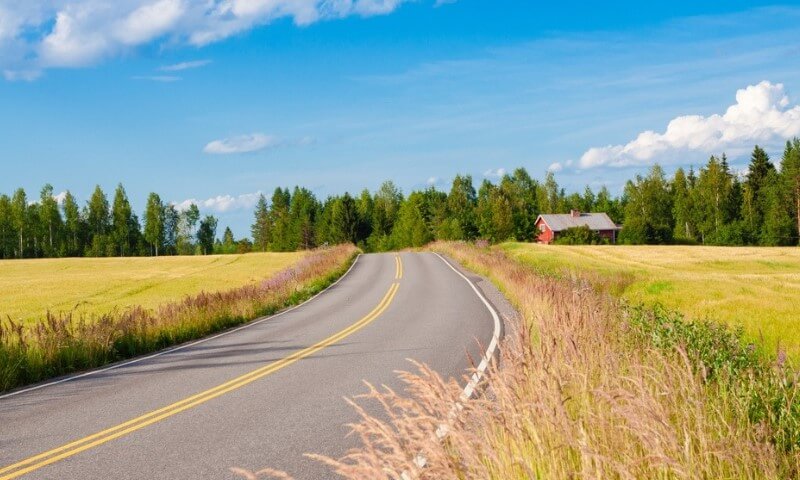
Indiana’s geographic position in the center of the Midwest makes it extremely easy to reach. The state sits within a one day drive of several major metropolitan areas, including Chicago, Detroit, St. Louis, Cincinnati, and Louisville. For travelers exploring multiple states, Indiana often becomes a natural stop along longer regional routes.
The transportation infrastructure supports road travel particularly well. Indiana maintains more than 11,000 miles of state highways, connecting small towns, parks, and historic attractions across the state.
| Major City | Distance to Indianapolis | Typical Drive Time |
| Chicago | 183 miles | ~3 hours |
| Detroit | 280 miles | ~4.5 hours |
| St. Louis | 242 miles | ~4 hours |
| Cincinnati | 110 miles | ~2 hours |
| Louisville | 115 miles | ~2 hours |
Because of this central location, travelers can explore a wide range of attractions without long travel times between destinations.
Indianapolis: A Sports and Culture Hub
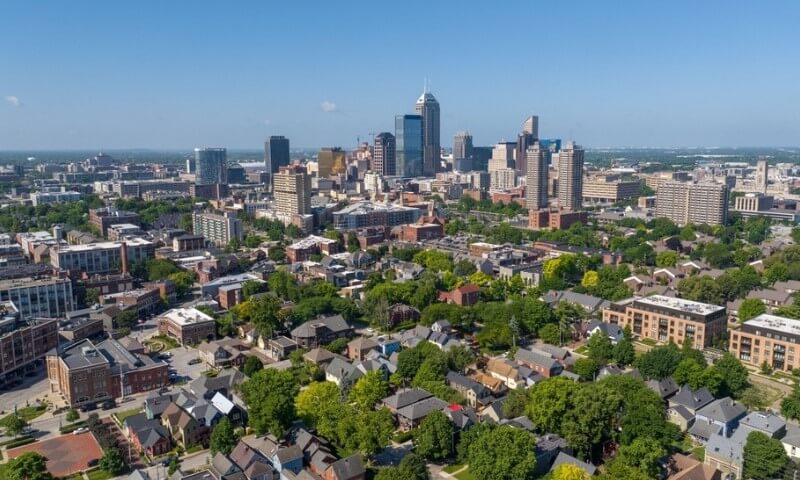
The state capital, Indianapolis, is one of the Midwest’s most underrated urban destinations. Known internationally for motorsports, the city hosts the Indianapolis 500, the largest single day sporting event in the world. The race takes place at the Indianapolis Motor Speedway, which can hold more than 250,000 spectators during the event.
Beyond racing, the city offers a strong cultural scene. The Indianapolis Cultural Trail, an eight mile urban biking and walking path, connects museums, public art installations, restaurants, and historic neighborhoods.
The city is also home to several nationally recognized attractions.
| Attraction | Type | Annual Visitors |
| Indianapolis Motor Speedway Museum | Motorsports history | ~400,000 |
| Children’s Museum of Indianapolis | Science and culture | ~1.2 million |
| Newfields Art Museum | Art and gardens | ~500,000 |
The Children’s Museum of Indianapolis is particularly notable because it is the largest children’s museum in the world, covering more than 480,000 square feet of exhibit space.
Lake Michigan Beaches in Northern Indiana
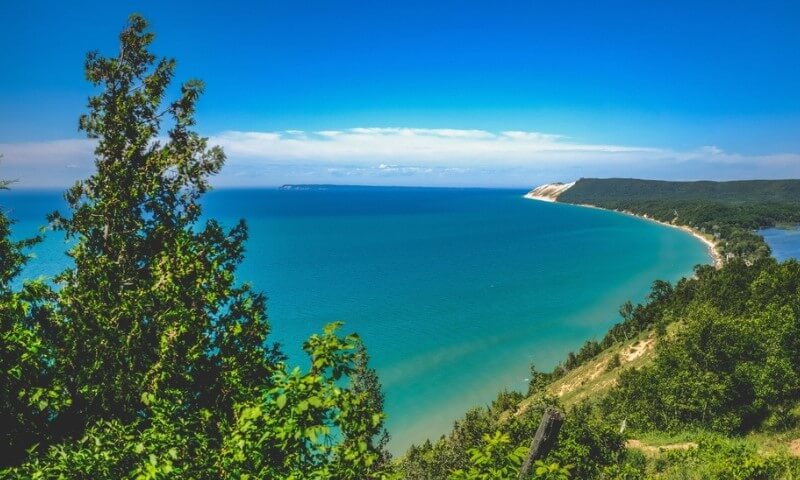
Many travelers do not realize that Indiana has a scenic stretch of Lake Michigan shoreline. The Indiana Dunes National Park and Indiana Dunes State Park offer some of the most unique landscapes in the Midwest.
The national park protects more than 15 miles of shoreline, including massive sand dunes that rise over 200 feet above the lake. These dunes formed thousands of years ago as glaciers retreated across the region.
Visitors come for hiking, swimming, bird watching, and photography. The park is also recognized internationally for its biodiversity.
| Feature | Indiana Dunes National Park |
| Protected shoreline | 15 miles |
| Total area | ~15,000 acres |
| Recorded plant species | 1,100+ |
| Bird species | 350+ |
Affordable Travel Compared to Neighboring States
One of the biggest advantages of traveling in Indiana is cost. Compared with many neighboring states, lodging, dining, and attraction prices are generally lower.
| Expense Category | Indiana Average | Midwest Tourist Hotspots |
| Hotel per night | $110–$150 | $180–$250 |
| State park entry | $7–$12 | $15–$25 |
| Museum admission | $15–$25 | $25–$40 |
Lower travel costs allow visitors to extend their trips without dramatically increasing expenses. This affordability is one of the reasons Indiana is increasingly recommended for road trips and regional tourism.
Travel planners from agencies such as Yeti Travel note that Indiana works particularly well as a stop within larger Midwest itineraries that include Chicago, Michigan lake towns, and Kentucky bourbon country. Because distances between these destinations are relatively short, travelers can easily combine multiple experiences within a single trip.
A Strong Outdoor Recreation Scene
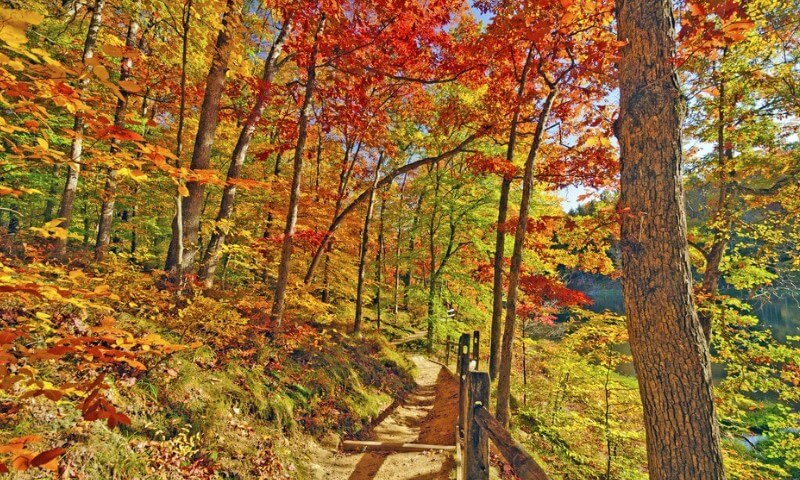
Indiana’s outdoor attractions extend far beyond its famous dunes. The state contains 24 state parks, 8 reservoirs, and numerous forest areas that support hiking, camping, boating, and wildlife observation.
One of the most scenic locations is Brown County State Park, often called the “Little Smokies” because its rolling forested hills resemble the Great Smoky Mountains on a smaller scale.
| State Park | Known For | Size |
| Brown County State Park | Fall foliage and hiking | 15,700 acres |
| Turkey Run State Park | Sandstone canyons and ladders | 2,300 acres |
| Clifty Falls State Park | Waterfalls and canyon trails | 1,400 acres |
| Shades State Park | Rugged ravines and quiet hiking | 3,000 acres |
Brown County becomes especially popular in autumn when its forests produce some of the most vibrant fall foliage displays in the Midwest.
Historic Small Towns and Cultural Heritage
View this post on Instagram
Another reason Indiana stands out as a travel destination is its collection of historic towns that preserve local culture and architecture. These towns offer a slower travel experience compared with major cities.
Nashville, Indiana, located in Brown County, is known for its arts community, handmade crafts, and galleries. The town developed into an artist colony during the early twentieth century and continues to attract painters and photographers.
Madison, Indiana, along the Ohio River, contains one of the largest historic districts in the United States. More than 130 city blocks feature preserved nineteenth century architecture.
| Historic Town | Notable Feature |
| Nashville | Artist colony and craft shops |
| Madison | National Historic Landmark district |
| Shipshewana | Amish markets and traditional crafts |
| French Lick | Historic resort hotels and casinos |
French Lick, for example, became famous in the early twentieth century as a luxury resort town visited by political leaders and celebrities.
Food Culture and Local Specialties
Indiana’s food culture reflects its agricultural heritage and Midwestern traditions. Classic regional dishes include the Indiana pork tenderloin sandwich, a large breaded pork cutlet served on a bun, often much larger than the bread itself.
The state also has a growing craft brewing and distilling scene. More than 200 craft breweries now operate in Indiana, producing regional beers that attract visitors along brewery trails.
Local farmers markets and farm to table restaurants have expanded significantly over the past decade as well, particularly in Indianapolis and Bloomington.
Festivals and Seasonal Events
Indiana hosts a wide variety of seasonal festivals that highlight the state’s culture and traditions.
The Indiana State Fair, held annually in Indianapolis, attracts more than 800,000 visitors each summer. The fair celebrates agriculture, food, music, and rural traditions.
In southern Indiana, fall festivals celebrate harvest season with apple cider, pumpkin farms, and craft markets. Brown County’s fall festival period draws visitors from across the Midwest due to its colorful forests.
Motorsports events remain another major tourism driver. In addition to the Indianapolis 500, the city hosts NASCAR and IndyCar races that attract international fans.
A Destination That Deserves More Attention
Indiana does not always receive the recognition given to larger tourist destinations, but its combination of outdoor scenery, historic towns, sports culture, and affordable travel makes it one of the most versatile states in the Midwest for exploration.
From hiking sand dunes along Lake Michigan to exploring art communities in southern Indiana or attending world famous racing events in Indianapolis, the state offers experiences that appeal to both outdoor travelers and urban explorers. Its central location and lower travel costs further strengthen its appeal for road trips across the American Midwest.