Fans have followed Eleven, Mike, Dustin, and Lucas through foggy woods, empty streets, and buzzing arcades for years. Curiosity naturally follows after so many episodes spent inside Hawkins, Indiana. Viewers often wonder if a road trip could ever lead to its town square or middle school halls.
Curiosity drives a closer look at Hawkins and its origins. Investigation reveals how a fictional town borrowed names, memories, and physical spaces from real American locations.
Hawkins, Indiana, exists only on screen, yet its identity pulls strongly from Durham, North Carolina, where the creators grew up, and Jackson, Georgia, where cameras rolled and storefronts transformed.
The Myth of Hawkins, Indiana
Hawkins operates as a fully invented Midwestern town created by Matt and Ross Duffer as the central stage for Stranger Things.
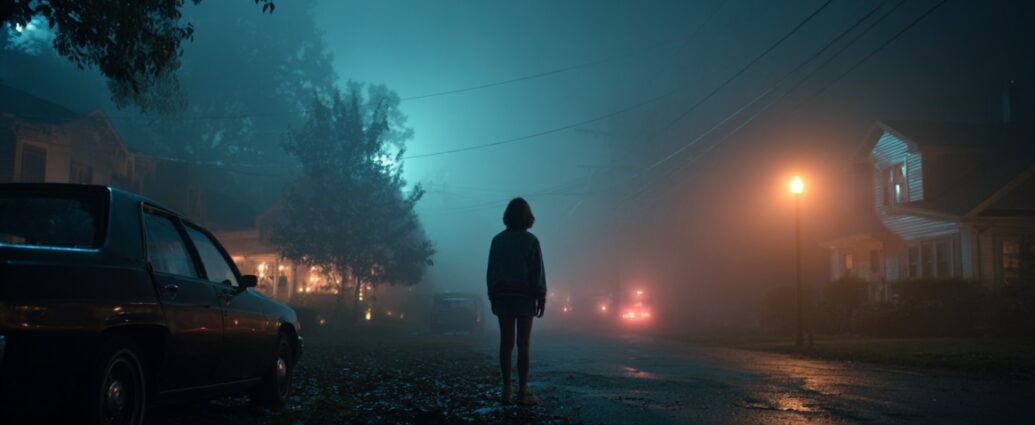
Scripts portray quiet streets, modest single-story homes, a local school system, and businesses that feel familiar to anyone who grew up in small-town America. Daily life appears ordinary at first glance, which makes supernatural disruptions feel more unsettling once they arrive.
Design choices reinforce that illusion of normalcy. Houses feature muted colors, lived-in interiors, and practical layouts that suggest middle-class stability.
Schools, stores, and backyards appear close enough to reach by bike, reinforcing the sense of childhood independence shown throughout the series.
Creative influences shaping Hawkins come directly from 1980s pop culture and childhood memories.
Nostalgia influences storytelling, pacing, and visual tone, grounding horror elements in recognizable routines like school days, arcade hangouts, and family dinners. Inspiration points repeatedly surface in interviews and production notes, especially those tied to genre entertainment popular during that decade.
@melmadog I truly went back to Indiana,Hawkins 1983 😭 #strangerthings ♬ Stranger Things – Kyle Dixon & Michael Stein
- Stephen King novels centered on fictional American towns under supernatural threat
- Spielberg adventure films focused on kids facing extraordinary danger
- Suburban horror movies are rooted in everyday neighborhoods rather than distant fantasy worlds
Indiana functions strictly as a narrative identity rather than a physical filming destination. Location scouts never worked inside the state. No cast or crew filmed scenes there at any point during production.
Cornfields, forests, and downtown streets appearing on screen came entirely from other regions chosen for budget, logistics, and visual flexibility.
The Real Inspiration is Durham, North Carolina
Durham carries personal weight for the Duffer brothers, shaping Hawkins at an emotional level rather than a visual one. Childhood years spent there included bike rides through neighborhoods, afternoons playing Magic: The Gathering, and early filmmaking experiments with friends.
Those experiences directly informed how friendship, curiosity, and boredom appear on screen.
Dialogue across multiple seasons contains direct nods to Durham locations. Mirkwood surfaces during season one as the place tied to Will Byers’ disappearance. Characters reference Cornwallis and Kerley by name, matching a real intersection at Kerley Road and Cornwallis Road in Durham.
Halloween scenes during season two reference Lochn’ora, another real Durham neighborhood. Trick-or-treating unfolds beneath signage that mirrors the actual Lochn’ora entrance. Font choices even match the real sign, a detail later confirmed by the neighborhood HOA president.
Additional references appear quietly across later seasons. Writers embedded familiar names into casual dialogue and background details rather than calling attention to them.
- Bullock’s Barbecue was mentioned during season three
- Jordan Lake is reversed as “Lake Jordan”
- Eno River was named during season two as part of Hawkins’ geography
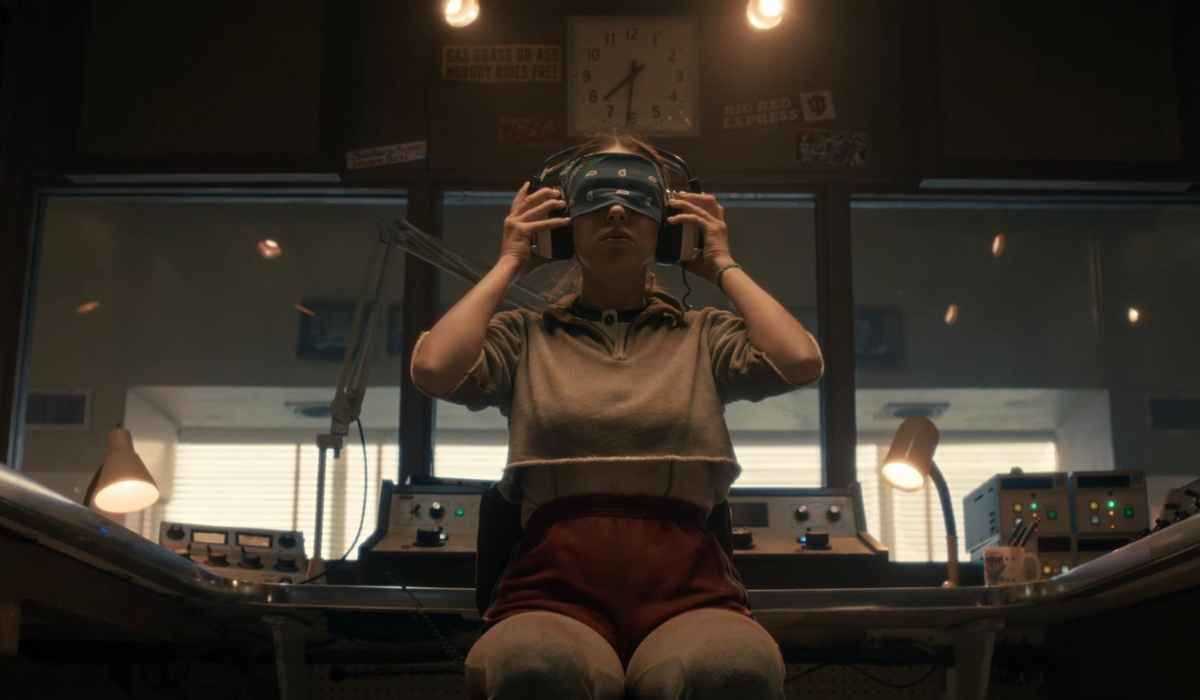
- Joyce Byers’ phone call was traced onscreen to Durham, North Carolina, during season four
Food references also reflect real-life inspiration. Enzo’s Pizza in Durham served as the model for Hopper and Joyce’s dinner location. Reality appears simpler than the series version, yet it remains the only local restaurant using that name.
Employees have confirmed frequent questions from fans curious about its Stranger Things ties. Menu details connect loosely as well, with pineapple and barbecue chicken pizza echoing Argyle’s favorite toppings later mentioned in the show.
The Filming Location is Jackson, Georgia
Physical versions of Hawkins streets exist in Jackson, Georgia, a town with roughly 5,000 residents located about one hour south of Atlanta near Indian Springs State Park. Filming began during 2015, transforming quiet blocks into a convincing snapshot of 1983 small-town America.
Downtown Jackson doubled as Hawkins across several seasons. Storefronts received period signage, sidewalks filled with vintage cars, and interiors adjusted to match the show’s timeline.
- Melvald’s General Store is used as Joyce Byers’ workplace
- Hawkins Public Library filmed inside Jackson’s Welcome Center
- A downtown alley used for Steve Harrington’s season one fight scene
Tourism reshaped daily life in Jackson after the series gained popularity. Stranger Tours, operated by Hannah and Cameron Thompson, guide visitors through filming spots. Long-vacant storefronts began reopening as fan traffic increased.
New businesses appeared quickly, including ice cream shops, coffee cafes, and 80s-themed retail spaces such as Hawkins HQ.
Housing locations added another layer of interest. An Airbnb now operates at the Byers’ house set in Fayetteville, Georgia, attracting fans interested in overnight stays connected to the series.
Economic effects became measurable during active release years. Tourism increased by roughly 12%.
- Per capita income under $30,000
- About one in five residents living below the poverty line
Cultural shifts followed economic ones. Couples host themed weddings tied to the series. Fans arrive dressed as characters, reenacting scenes and posing for photos across downtown streets.
Why Hawkins Works as a Setting
Emotional honesty anchors Hawkins more than geography ever could. Durham memories shaped friendships, childhood freedom, boredom, curiosity, and fear portrayed onscreen.
Georgia locations provided forests, roads, and storefronts capable of supporting suspense and isolation without feeling artificial.
Genre traditions further strengthen the setting. Stephen King’s fictional towns like Derry, influenced structure and pacing. Familiar routines clash with creeping danger, allowing horror to feel personal rather than distant.
Everyday locations like schools, homes, and stores become sites of fear precisely because they once felt safe.
Matt Duffer has described Hawkins’ DNA as a mix of Georgia filming locations, Durham childhood memories, fictional towns created by Stephen King, and suspense-driven scenes inspired by 1980s horror cinema.
View this post on Instagram
Closing Thoughts
Maps will never show Hawkins, Indiana as a real destination. Pieces of its identity remain visible through Durham street names, childhood nostalgia, and Georgia storefronts repainted for television.
Stranger Things may reach its final chapters, yet Hawkins continues living through guided tours, pizza conversations, themed rentals, and fan pilgrimages tied to a shared vision of the 1980s both imagined and remembered.
Find out more: There are so many mysteries and secrets that Indiana holds, like how many celebs are form it’s small towns that you didn’t know!