
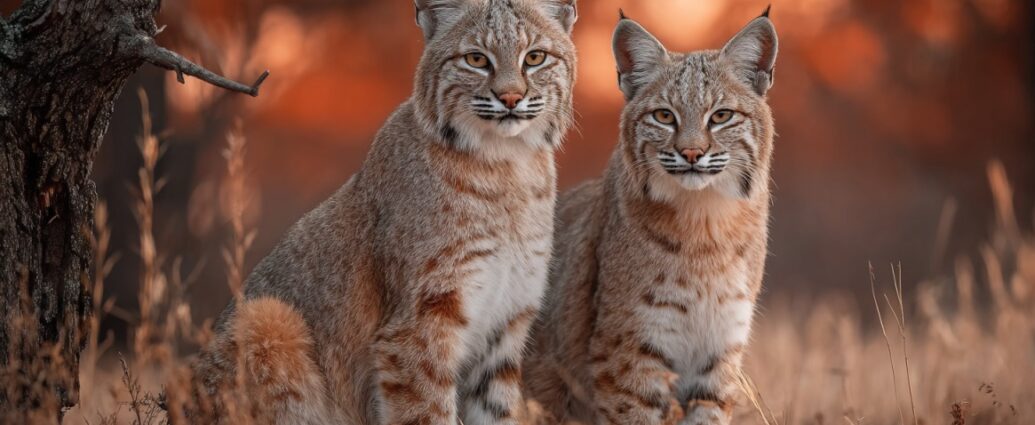
Bobcats represent Indiana’s only wi wildcat species and once faced near disappearance due to intense hunting pressure and widespread habitat loss.
Decades of protection and habitat recovery allowed populations to rebound, particularly across the southern and central parts of the state. Increased sightings now reflect that recovery and signal a significant shift in how often residents encounter signs of bobcat presence.
Growing numbers have also placed bobcats at the center of renewed management debates. A state-mandated trapping season scheduled to begin in 2025 has raised concerns among wildlife advocates, scientists, and residents.
Public participation remains a key factor in shaping future outcomes, especially as safety, ecology, and animal welfare remain closely tied to management decisions.
Bobcat Habitats in Indiana
Southern and west central regions of Indiana hold the highest concentrations of bobcat populations due to continuous forest cover, limited fragmentation, and reliable prey populations.
Rugged terrain and lower development pressure also support denning and hunting activity.
Northern counties now report steadily rising sightings, signaling gradual range expansion. Agricultural areas mixed with woodlots, wetlands, and river corridors offer sufficient cover and food access.
Wildlife refuges across the state document consistent bobcat activity, reflecting improved habitat conditions and reduced direct persecution over recent decades.
Preferred Habitat Types
Bobcats thrive in areas that provide concealment, prey abundance, and efficient movement corridors.
- Forested tracts with thick understory that supports ambush hunting
- Brushy edges bordering open fields where prey species concentrate
- Clear cut areas that encourage early successional growth and small mammals
- Scrublands, thickets, and rolling hills offering den sites and escape cover
Territory size depends on prey density and sex. Female home ranges usually cover 6 to 12 square miles and focus on denning security. Male territories extend much farther, often spanning 30 to 75 square miles in order to overlap several female ranges.
Notable Habitat Areas
Public lands provide some of the most reliable habitat protection. Big Oaks National Wildlife Refuge supports bobcats alongside recovering populations of wild turkeys and river otters.
Sugar Ridge Fish and Wildlife Area offers dense cover and edge habitat suited for hunting.
Greene Sullivan State Forest and Potato Creek State Park also provide favorable conditions and occasional opportunities for indirect observation through tracks or camera footage.
How and Where to Spot Bobcats
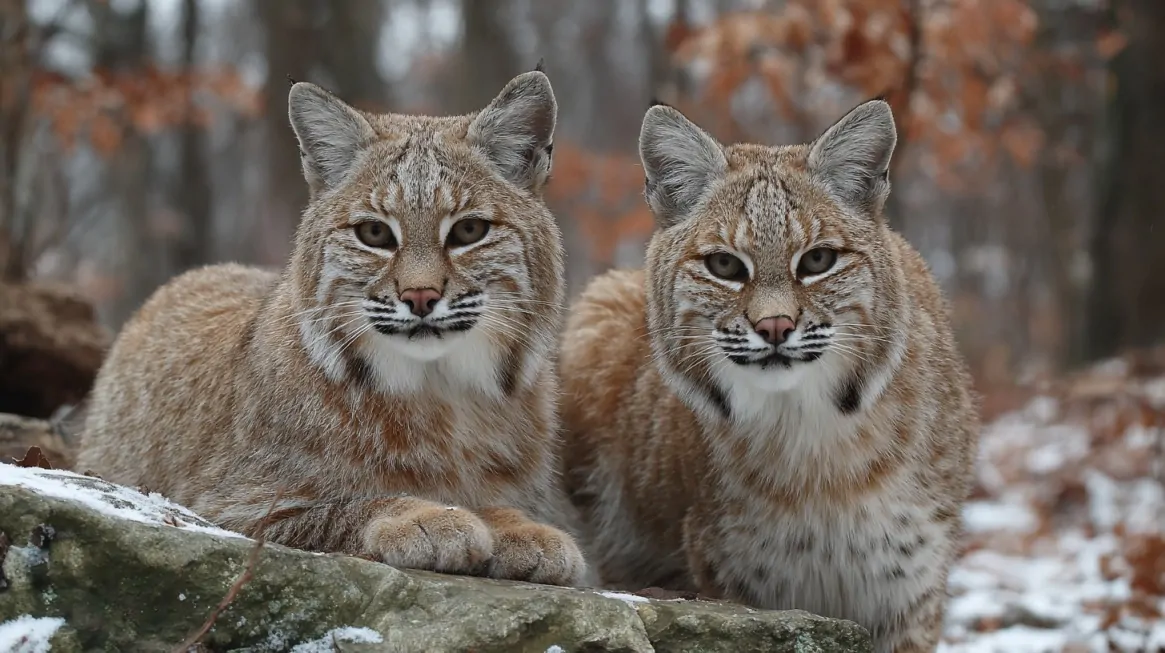
Observation success depends on patience, timing, and indirect techniques. Natural caution and low visibility limit direct encounters, yet consistent behavior patterns improve chances for documentation.
Best Times for Observation
Early morning and late evening present the strongest opportunity for sightings as light levels drop and prey becomes active. Daytime appearances occur infrequently but remain normal behavior, particularly during colder months or breeding season.
Observation Methods
Trail cameras remain the most effective documentation tool. Placement strategy carries more importance than bait use.
- Animal travel corridors near streams or drainage channels
- Wooded trails with minimal human disturbance
- Brushy field edges where prey activity remains concentrated
Cameras regularly record bobcats without attractants, limiting disturbance and preserving natural behavior.
Documented Sightings
Camera surveys recorded multiple bobcats at Muscatatuck National Wildlife Refuge as early as 2015.
Refuge staff also documented adults calling kittens using high pitched, bird like vocalizations, offering rare insight into parental communication.
Reporting Systems
Indiana DNR collects observation data through Archer’s Index.
Bow hunters submit reports detailing hours spent afield and species observed, allowing biologists to monitor distribution trends and population growth across the state.
Bobcat Background in Indiana
Bobcats hold an important place within Indiana wildlife systems, shaped by decades of pressure, recovery efforts, and shifting public policy.
Physical features, behavior, and legal classification reveal how human activity altered populations and how protection allowed a gradual return.
Adult bobcats display a compact, muscular frame designed for stealth and ambush hunting. Body structure supports powerful leaps and silent movement through dense cover.
Visual identification becomes easier when animals appear on trail cameras or cross forest edges at dusk.
- Weight commonly falls between 15 and 30 pounds
- Body length ranges roughly between 30 and 50 inches
- Short bobbed tail shows a white underside paired with black banding on top
- Reddish tan fur carries faint spotting that provides camouflage
- Cheek tufts and dark leg markings create strong facial and body contrast
Behavior
Solitary behavior shapes nearly every aspect of bobcat life. Individuals maintain personal territories and avoid direct contact with others outside breeding season.
Activity patterns favor darkness, which explains limited human sightings despite growing populations.
Movement often increases during dawn and dusk as light levels drop.
Lifespan in natural conditions averages 10 to 12 years and depends on prey availability, habitat quality, vehicle collisions, and human-related mortality.
Historical Decline
Intense hunting and trapping pressure during the early and middle twentieth century caused a rapid population collapse across Indiana.
Habitat loss intensified those effects by limiting prey access and denning sites. Legal protection began in 1969 when bobcats received endangered species status at the state level.
Long-term recovery efforts focused on habitat protection and harvest restrictions, leading to gradual population growth. Removal of endangered status occurred in 2005 after recovery benchmarks were met.
Current Status
Protected classification continues statewide, although regulatory direction has shifted. Indiana plans to allow regulated trapping beginning in 2025 across selected counties. P
ublic involvement remains part of the decision process. Residents may submit comments during official review periods, influencing annual trapping quotas. Options include support for reduced harvest limits or advocacy for a zero quota.
Diet and Ecological Role
@wildlife_rescuers The bobcat is a medium-sized wild cat native to North America, known for its tufted ears, short “bobbed” tail, and distinctive spotted coat. These solitary and adaptable predators thrive in various habitats, including forests, deserts, and even urban edges. Bobcats are skilled hunters, preying on small mammals like rabbits and rodents, using stealth and agility to capture their prey. Despite their elusive nature, they play a crucial role in maintaining ecological balance in their ecosystems. Credit unknown Please DM Please DM us for credit #animal #cuteanimals #animallovers #bobcat #bobcatlove #cutebobcat #babybobcat #cutebabybobcat #bobcatkittens ♬ Wander On – Jeddy Knox
Feeding behavior reflects adaptability and opportunism. Bobcats adjust prey selection based on seasonal availability and habitat conditions.
Typical Diet
- Rabbits
- Mice and voles
- Squirrels
- Muskrats
- White tailed deer fawns
- Waterfowl and songbirds
State research shows no documented evidence linking bobcats to wild turkey consumption within Indiana.
Ecological Benefits
Rodent population regulation ranks among the most valuable ecological services provided by bobcats.
Carcass consumption also supports nutrient cycling and reduces disease exposure risks.
Presence may contribute to lower transmission potential associated with zoonotic diseases and chronic wasting disease.
Wildlife Safety Tips for Humans and Pets
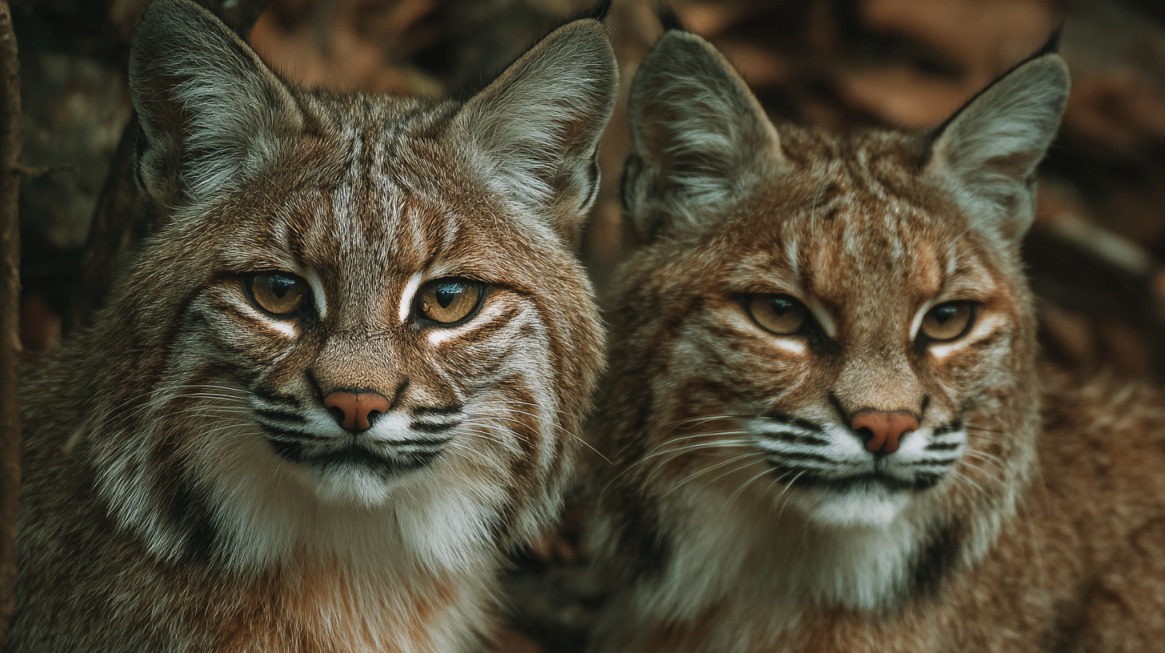
Coexistence depends on informed behavior and preventative practices. Encounters rarely escalate when basic precautions guide human activity.
General Safety
Human encounters remain uncommon due to bobcat avoidance behavior. Individuals usually retreat once aware of people. Approaching, feeding, or attempting interaction creates unnecessary risk and should never occur.
Pet Protection
Outdoor pets face higher risk than humans.
- Pets kept leashed during walks
- Outdoor kennels secured with covered tops
- Pet food and birdseed stored indoors
Small prey drawn to food sources can attract predators into residential areas.
Managing Conflicts
Repeated issues on private property may qualify landowners for nuisance wild animal control permits issued by the Indiana DNR. Removal or killing remains illegal without proper authorization.
Trapping Risks
Direct attacks on dogs remain rare, yet trapping equipment presents serious danger. Neck snares and steel-jawed leghold traps may capture pets unintentionally. Such devices can restrain or strangle animals without immediate detection in wooded areas.
Current Conservation Controversy
View this post on Instagram
Legislative action reshaped bobcat management policy statewide. Indiana Senate Bill 241 mandates the establishment of a bobcat trapping season by July 2025.
Proposed regulations include a statewide harvest quota of 250 animals and authorize the use of steel-jawed leghold traps and neck snares.
Public resistance remains strong. Previous legalization efforts during 2018 and 2019 failed after widespread citizen response.
Advocacy initiatives, including student-led outreach, influenced legislative debate during the passage of the 2024 bill.
Opposition centers on animal welfare and unintended impacts. Leghold traps can cause broken bones, lacerations, and prolonged suffering. Neck snares often result in slow deaths and may capture non-target wildlife such as deer fawns and eagles.
The Bottom Line
Bobcats represent a clear conservation success in Indiana, demonstrating recovery after decades of protection.
Presence supports ecological balance and wildlife health across many regions.
Future stability depends on responsible coexistence, public involvement, and science-based management to ensure bobcats continue thriving across Indiana’s wild areas.